
Encouraging Implementation of the 100 GW Solar Power National Strategic Project through Multi-Stakeholder Collaboration
Indonesia has set an ambitious target to expand solar energy development through the 100 GW Solar Power Plant (PLTS) National Strategic Project (PSN). This target is not only about increasing renewable electricity capacity, but also about ensuring that the energy transition can be implemented in a practical, coordinated, and inclusive manner.
Behind this ambitious target lie several important questions at the implementation level: Who will take on the technical roles on the ground? How prepared are institutions to support large-scale solar development? And how can different stakeholders work together to address existing challenges?
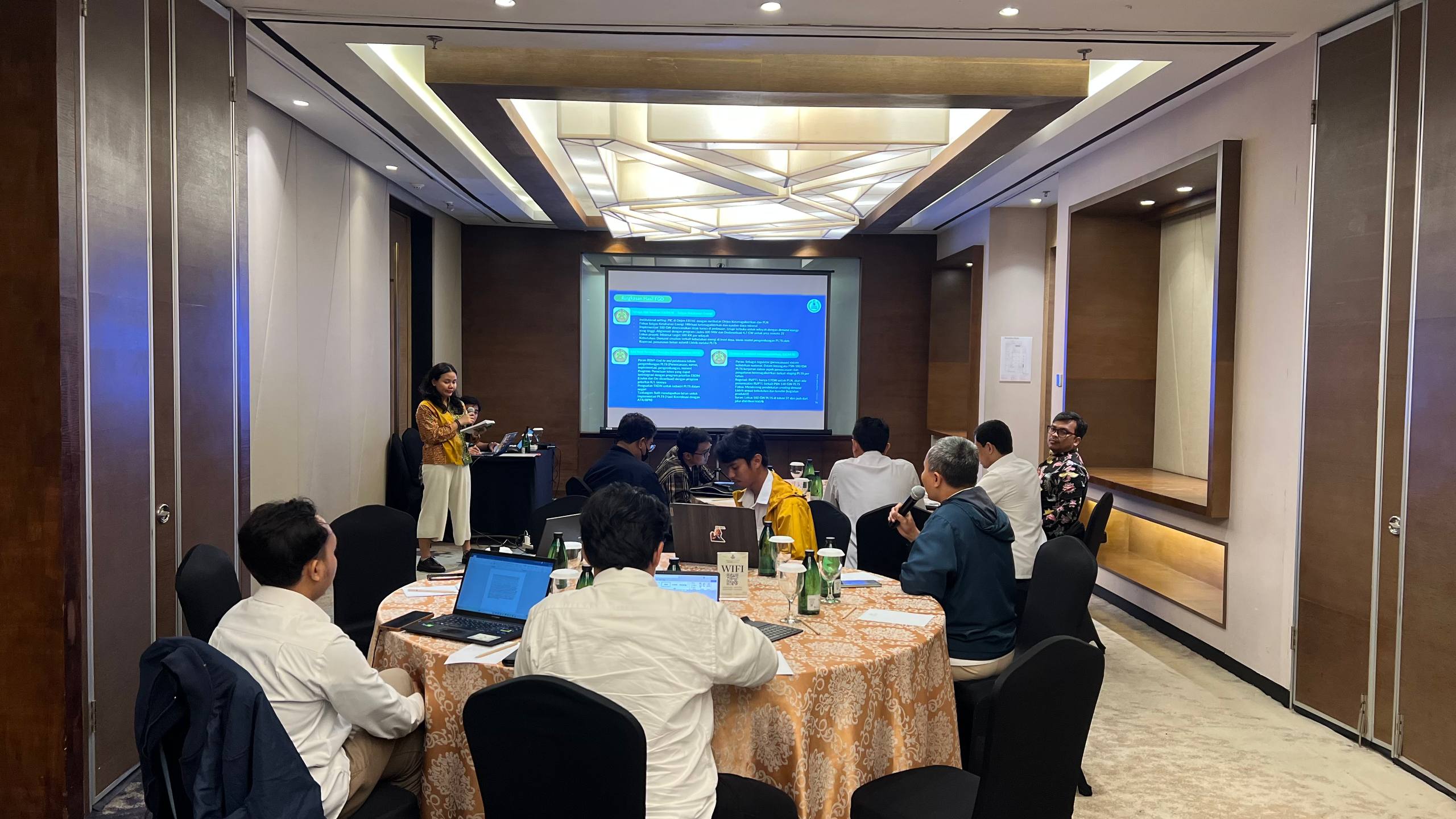
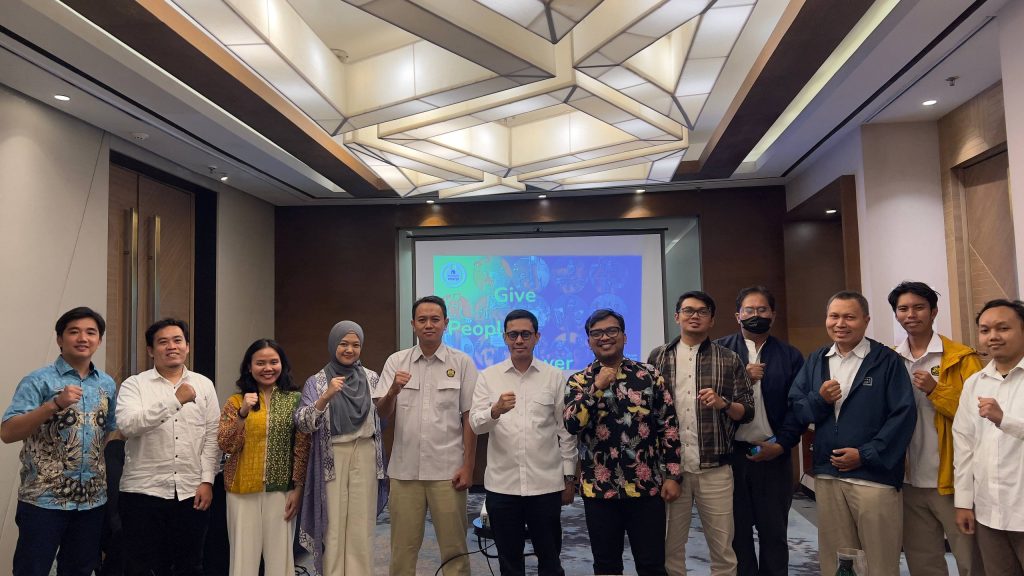
To respond to these questions, Rumah Energi initiated a Multi-Stakeholder Forum that brings together key stakeholders from the government—particularly the Ministry of Energy and Mineral Resources (ESDM) and the Ministry of Cooperatives—along with other strategic partners.
The forum is designed as a space for dialogue that goes beyond discussion and focuses on practical implementation solutions. Through focused discussion sessions, participants are invited to collaboratively:
- Validate the technical roles and mandates of each ministry in implementing the 100 GW Solar PSN
- Identify real challenges in the field—from technical and institutional aspects to business models
- Explore cross-institutional collaboration opportunities that can accelerate solar energy deployment
- Formulate strategic steps for developing cooperative-based solar pilot projects that can be replicated across regions
In this process, Rumah Energi positions itself as a bridge between policy and implementation—encouraging cross-institutional coordination, strengthening the readiness of cooperatives as local economic actors, and facilitating the development of sustainable implementation models.
Going forward, this series of Multi-Stakeholder Forums is expected not only to generate discussions, but also to open pathways toward more concrete technical collaboration, including pilot design development, institutional capacity strengthening, and the creation of scalable solar implementation models that support a more inclusive energy transition in Indonesia.
Ultimately, a successful energy transition is not only about technology, but about how different stakeholders can work together to make it happen.
Written by: TERBIT Team
Edited by: Fauzan Ramadhan