
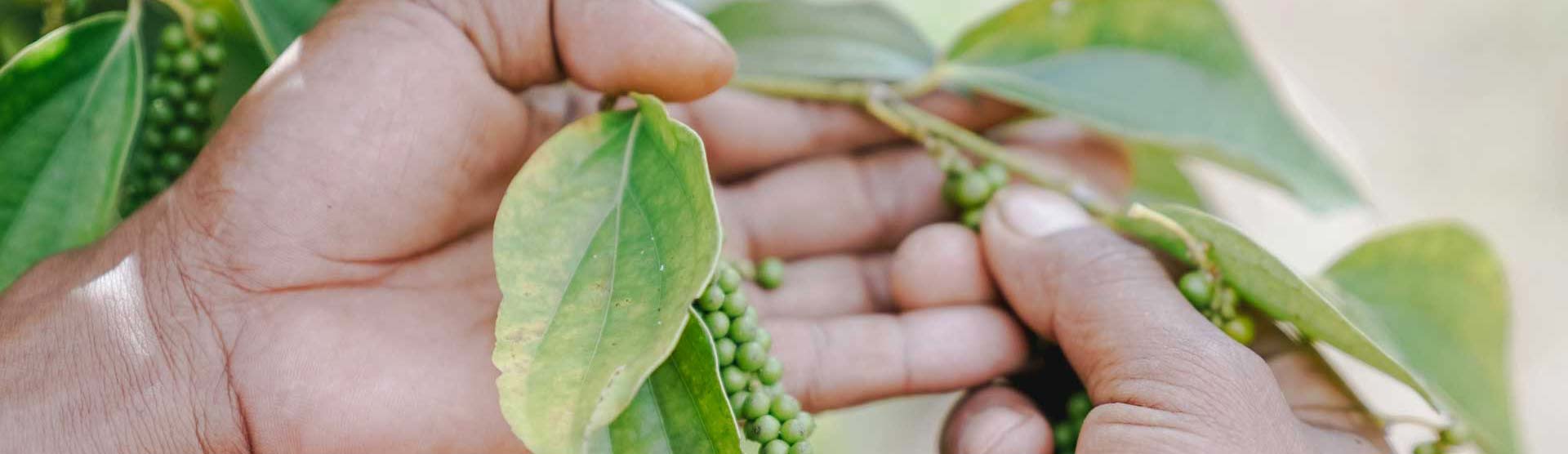
Safeguarding Harvests, Strengthening Food Security: Ibu Masikah's Story of Farming in an Era of Unpredictable Weather
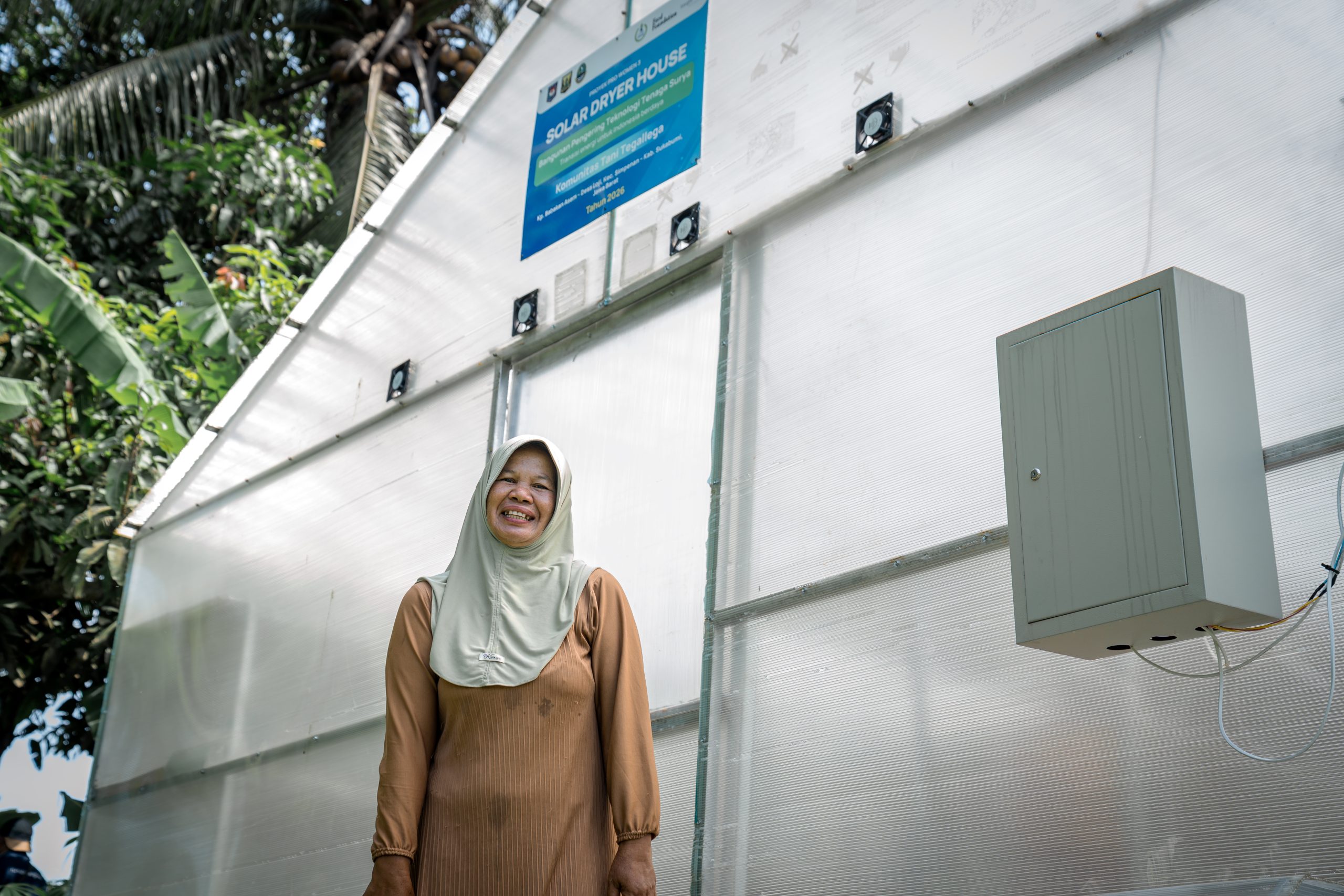
For many rural communities, farming is about more than simply planting and harvesting. Much of their work depends on factors beyond their control, and weather remains one of the greatest sources of uncertainty.
This is a reality that Ibu Masikah, a 52-year-old treasurer of the Tegallega Farmers Group, knows all too well. The group, which consists of 32 members, cultivates various crops, including shallots, rice, and bananas—commodities that are highly dependent on weather conditions, particularly during the post-harvest stage.
Unpredictable Weather, a Constant Threat to Harvests
As a farmer, Ibu Masikah understands how changing weather patterns can jeopardize months of hard work. Unexpected rainfall often disrupts the drying process, a crucial stage in preserving crop quality. Without proper drying, harvested produce can quickly deteriorate, rot, and lose its market value.
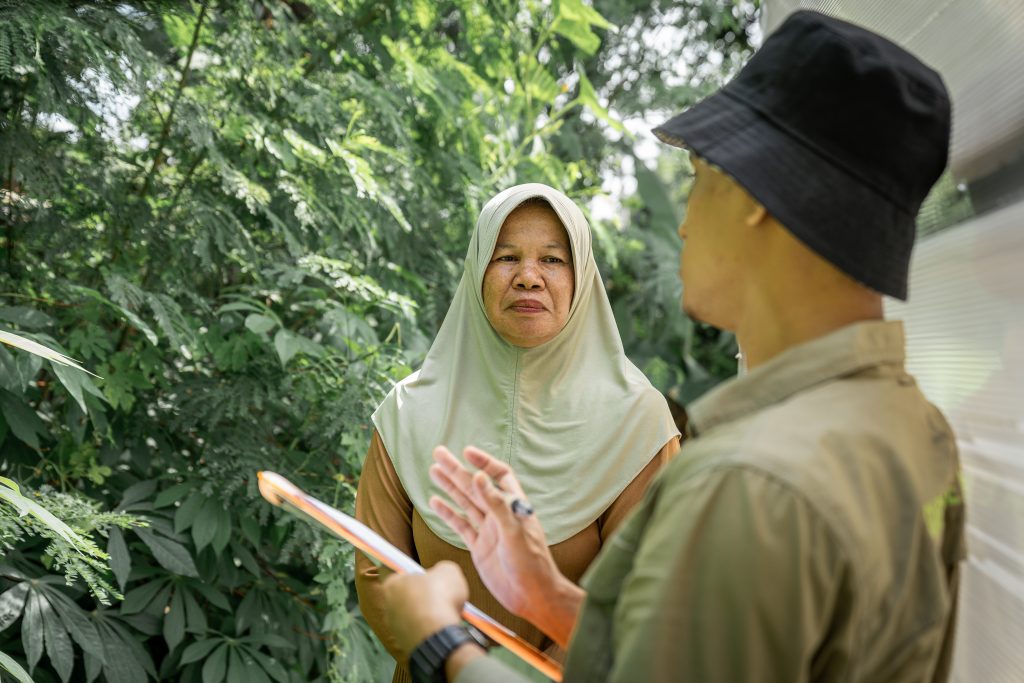
The solar dryer house used by the Tegallega Farmers Group to dry their harvested crops.
“Farmers work tirelessly from planting to harvest, only to see their crops damaged after harvest because of the weather.” This reflects a concern frequently shared among members of her farming group.
The Solar Dryer House: A Solution Amid Unpredictable Weather
These worries have become increasingly common as weather patterns grow more difficult to predict. Season after season, farmers have had to work under constant uncertainty. Yet things began to change when the group adopted a solar dryer house for post-harvest drying.
For the farmers, the solar dryer house is far more than just another piece of infrastructure. It provides a sense of security amid increasingly unpredictable weather. Drying crops no longer depends entirely on direct sunlight, significantly reducing the risk of post-harvest losses caused by sudden rain.
With this technology, farmers have found greater peace of mind. Dark clouds no longer bring the same level of anxiety after harvest. They now have a reliable way to protect the fruits of their labor.
Ibu Masikah’s Role in Farmers Group Decision-Making
Behind this positive change is the important role played by women like Ibu Masikah, who actively participate in decision-making within the farmers group. As the group’s treasurer, her position carries significance beyond administrative responsibilities.
In a sector where leadership roles are still often dominated by men, Ibu Masikah represents women taking on key responsibilities in managing farmer organizations.
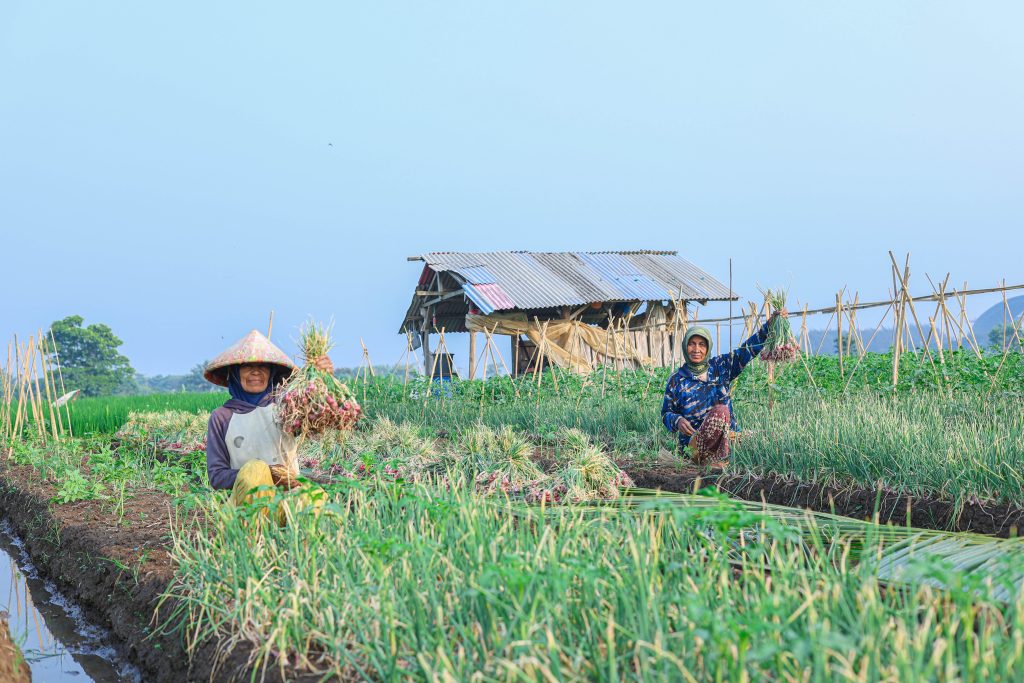
Ibu Masikah discussing with a field facilitator about the management of the farmers group.
For her, this role is not merely about handling finances. It means contributing to how the group makes decisions, manages its organization, and ensures that the needs of its members remain a priority.
Challenging Old Perceptions About Women in Agriculture
The presence of women in strategic leadership positions like hers also challenges the long-standing perception that women only play supporting roles in agriculture. In reality, women understand agricultural challenges firsthand, experience their impacts directly, and are equally capable of leading efforts to find solutions.
The transformation experienced by the Tegallega Farmers Group may seem modest at first glance. Yet behind it lies something much greater: a growing sense of resilience among farmers facing increasingly uncertain weather, and expanding opportunities for women to lead meaningful change within their own communities.