

FGD Strengthens Advocacy for a Just and Inclusive Energy Transition in Sukabumi Regency
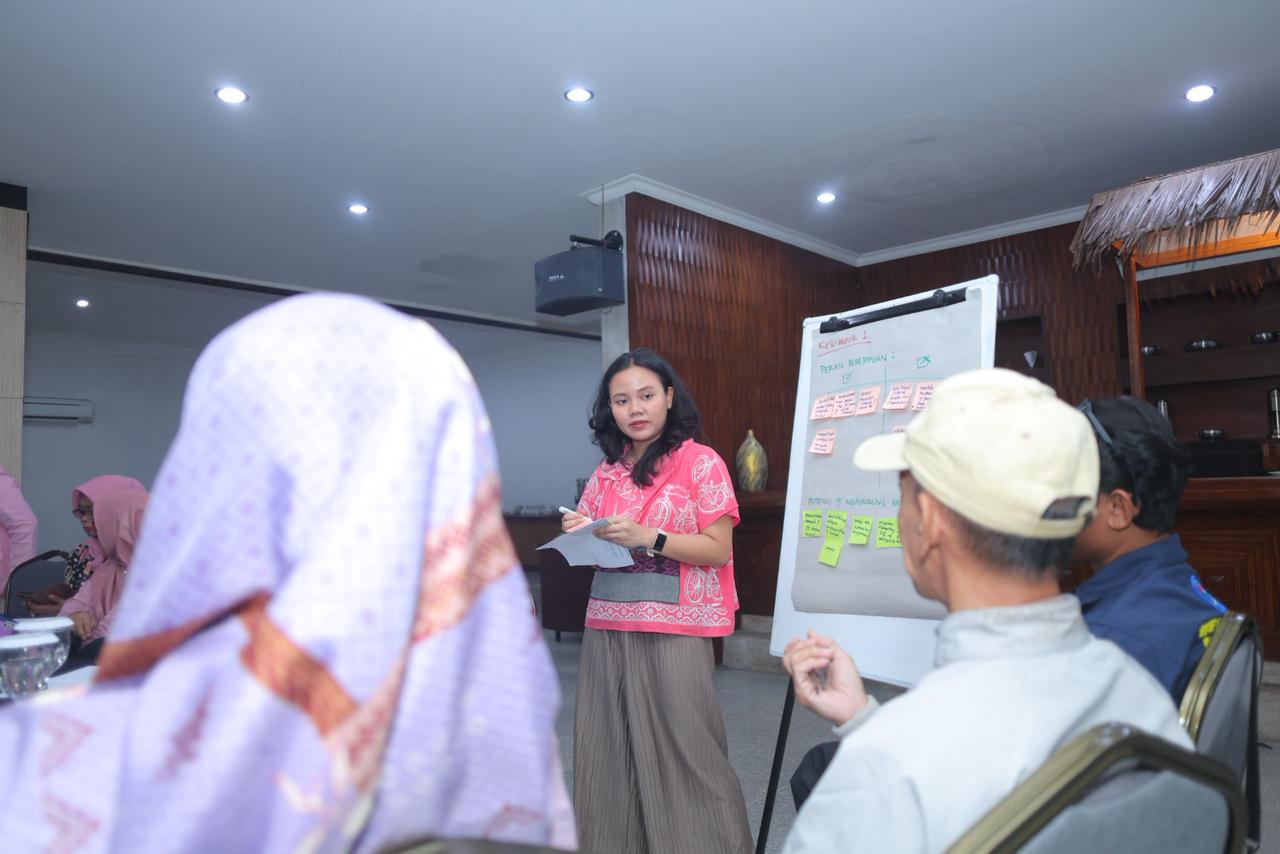
Palabuhanratu, Sukabumi Regency, January 26, 2026 – Rumah Energi organized a Focus Group Discussion (FGD) on Advocacy for a Just and Inclusive Energy Transition in Palabuhanratu, Sukabumi Regency, as an effort to strengthen the role of communities and women in advancing the energy transition agenda at the local level. The event was attended by representatives of the local and village governments, civil society organizations, academics, community groups, and the private sector.
The FGD was conducted in response to ongoing challenges in the implementation of Indonesia’s energy transition, which continues to face limited community participation, insufficient access to information, and the inadequate integration of social and gender justice considerations in both policy formulation and implementation. In this context, the Just Energy Transition Partnership (JETP) framework is considered to require stronger safeguards to protect affected groups, including women and local communities.
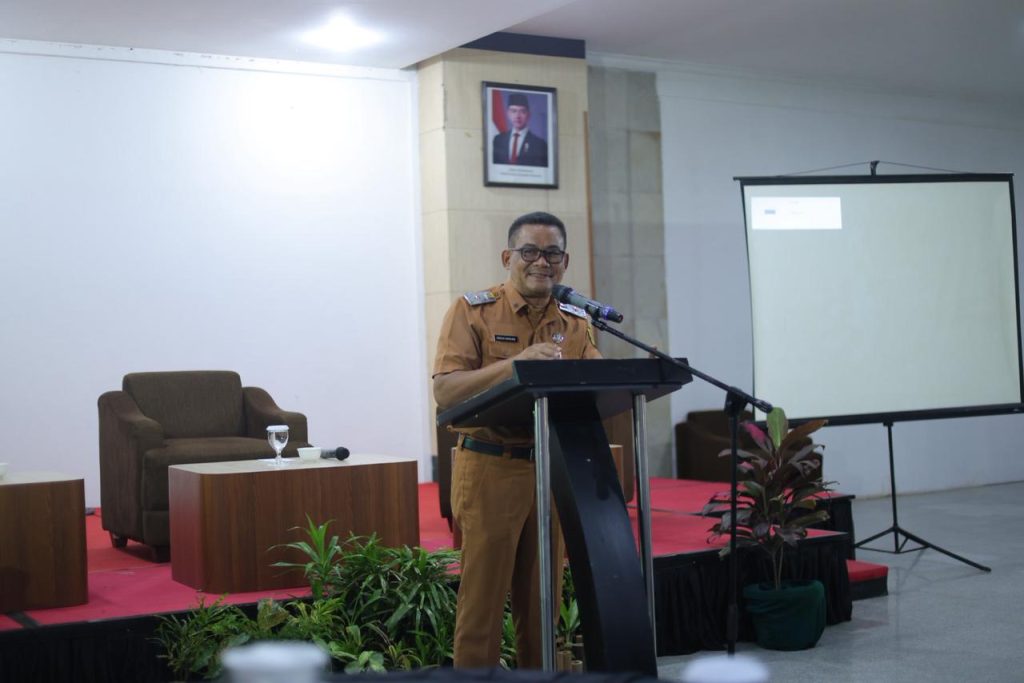
The event was officially opened by the Head of the Sukabumi Regency Office for Women’s Empowerment and Child Protection, Agus Sanusi, who emphasized that the energy transition is a social transformation with direct impacts on society. “Because its impacts are felt by all, the energy transition must involve all elements of society and be implemented through a substantively gender-neutral approach,” he stated. In line with this commitment, the Sukabumi Regency Government signed a cooperation agreement with Rumah Energi to promote a just energy transition. He further added, “Amid increasingly complex challenges, cross-sector collaboration is key to ensuring that the energy transition is inclusive and sustainable.”
In his remarks, Rumah Energi Executive Director, Sumanda Tondang, stressed the importance of active community and women’s participation to ensure that the energy transition is not solely focused on emission reduction targets, but also delivers tangible benefits for communities. “A just energy transition must create equal spaces for participation, especially for women, so that renewable energy policies and programs truly respond to local needs,” he said.
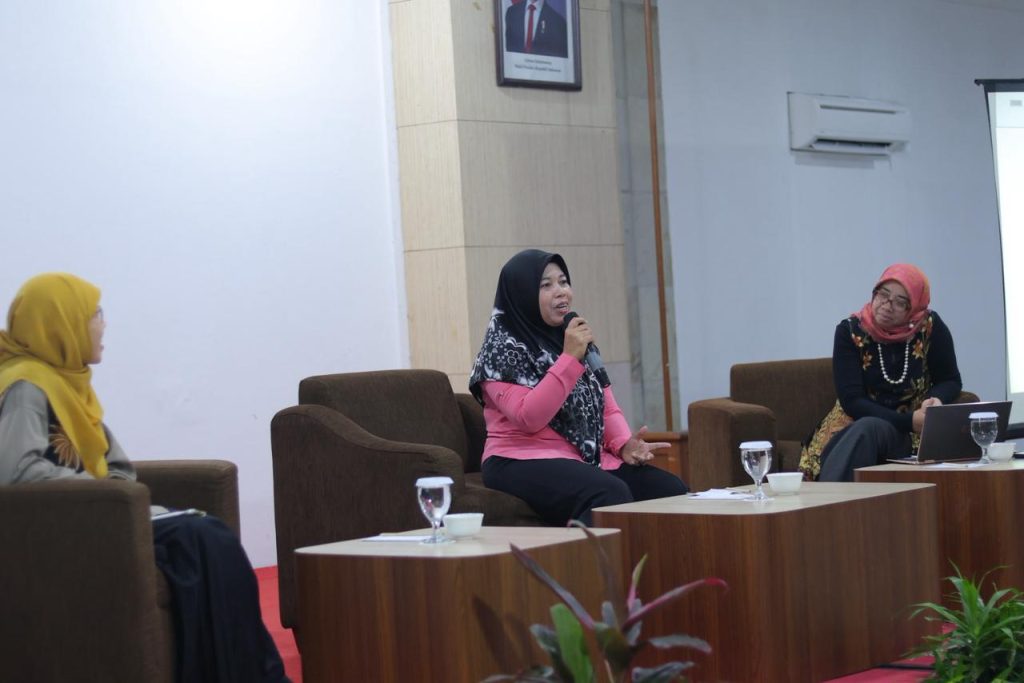
The FGD began with presentations on the latest strategic developments in the just energy transition at both national and regional levels, energy policies in Sukabumi Regency, and examples of women’s roles in community-based energy transition initiatives. The discussion then continued with focused group sessions aimed at formulating inclusive, participatory, and actionable advocacy strategies.
During these discussions, participants identified the roles and potential of women in renewable energy development, including good practices that have been implemented at the community level. Participants also formulated advocacy strategies across various levels—from communities and villages to the regency level—through policy dialogue, capacity building, public campaigns, and cross-sector collaboration. The outcomes of the discussions resulted in a set of strategic actions planned for implementation over the next six to twelve months.
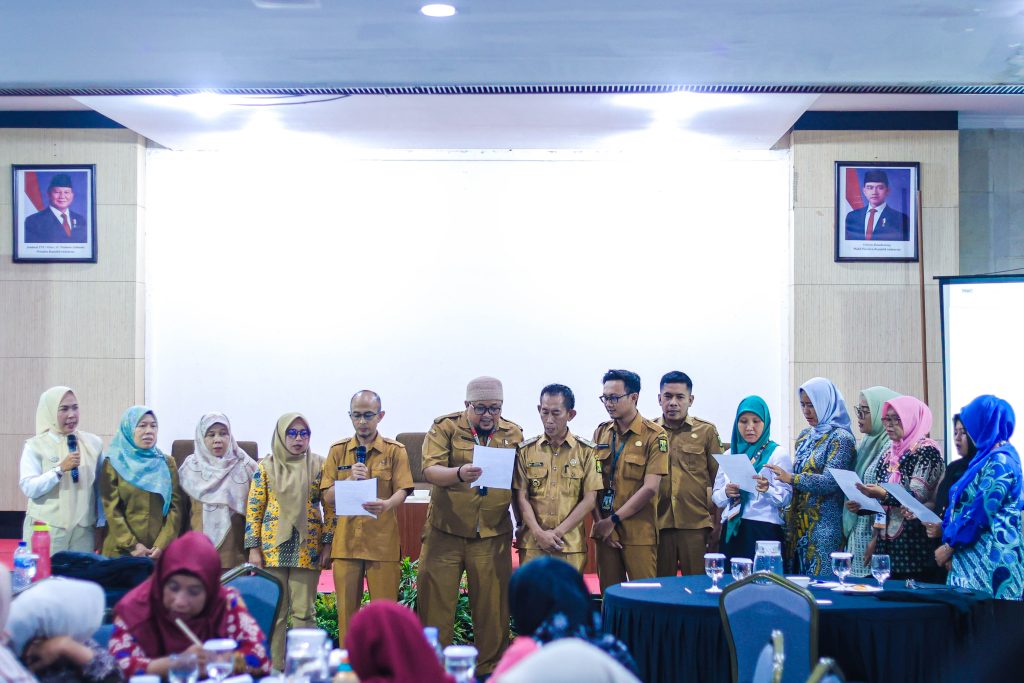
As a follow-up, the forum also declared the Women’s Movement for Renewable Energy, represented by the Sukabumi Regency Government, civil society organizations, local communities, and other local stakeholders. The declaration outlines a shared commitment to advancing a just and gender-neutral energy transition, strengthening women’s participation in the planning, implementation, and monitoring of energy policies, and supporting the development of sustainable, community-based renewable energy initiatives.
Through this FGD, Rumah Energi hopes to further strengthen synergy among stakeholders in advancing a fair, inclusive, and sustainable energy transition agenda, particularly at the local level, and to ensure that no group is left behind in the transition toward clean energy.
Written by: Fauzan Ramadhan