
When Organic Waste from the MBG Program Is Transformed into a Source of Clean Energy
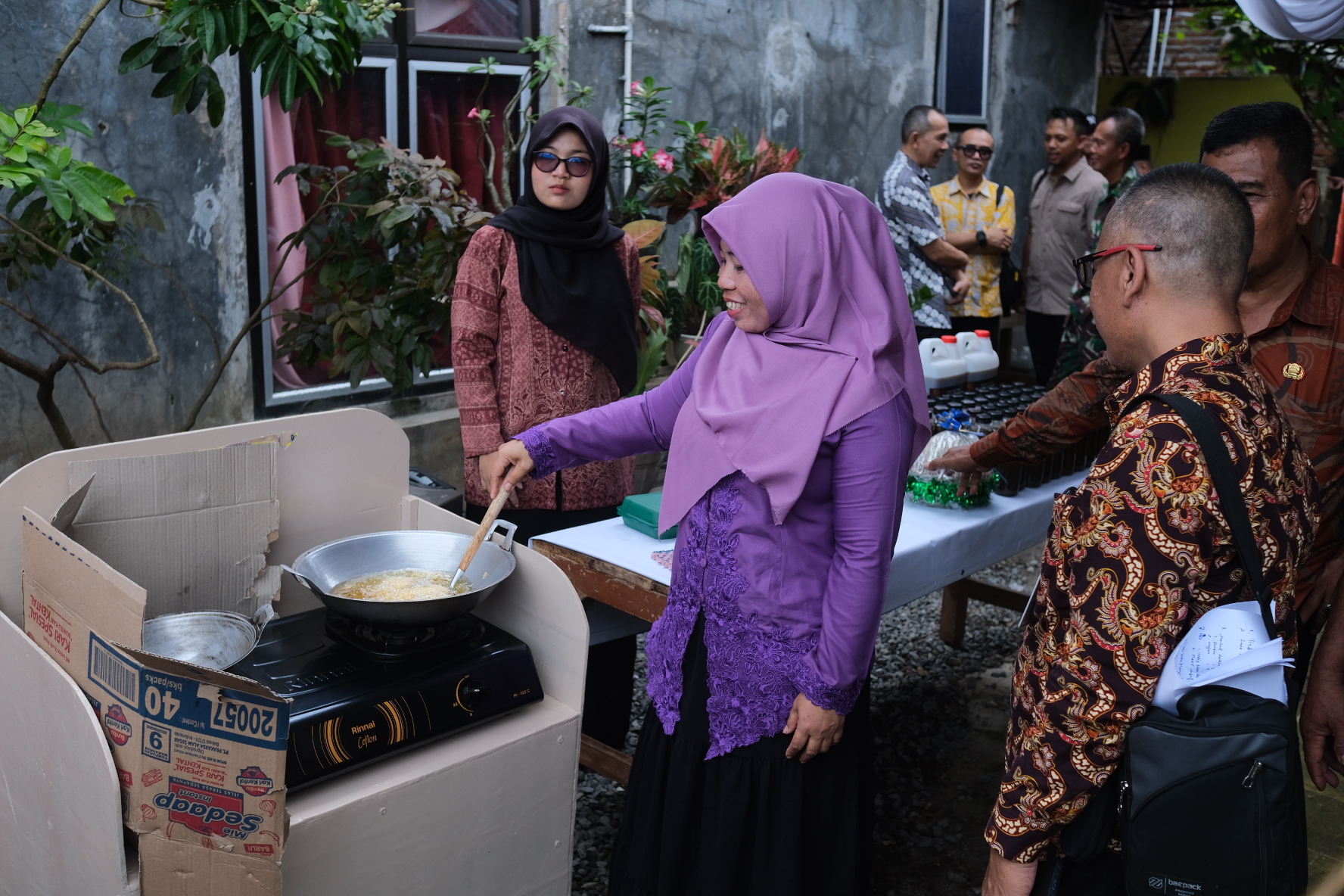
SEvery day, the MBG kitchen generates organic waste that often becomes a problem. However, Ibu Ema from Cidadap Village, Sukabumi Regency, has found a different approach. Instead of being discarded, the organic waste from the MBG kitchen is processed. She utilizes organic waste from the Cidadap 1 Simpenan Nutrition Fulfillment Service Unit (SPPG) kitchen as feedstock for biogas at her home.
The introduction of biogas produced from MBG kitchen waste proves that organic waste—typically a burden on landfills—can in fact be processed into a renewable energy source. In addition to producing gas for cooking, biogas also generates a by-product known as bio-slurry, which can be used as a natural fertilizer beneficial for plants.
Ibu Ema and her family have experienced tangible benefits from using biogas, one of which is cost savings, as they no longer need to purchase LPG cylinders. “Alhamdulillah, for the past two months we haven’t needed to buy LPG anymore. We used to use three to four cylinders per month, but now we don’t buy any at all,” she said.
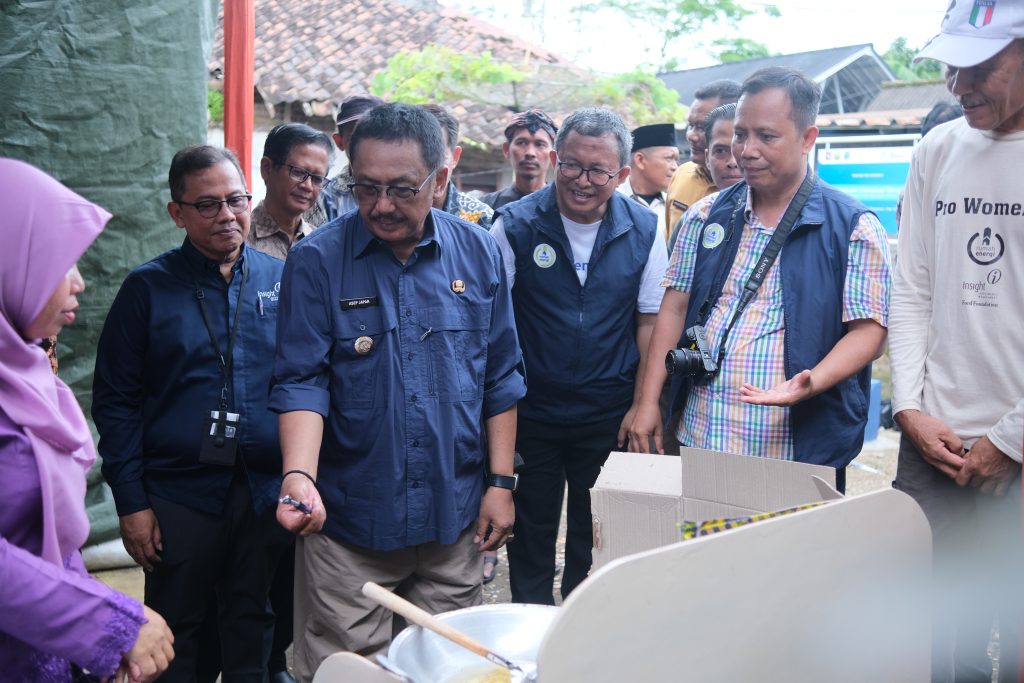
The biogas system at Ibu Ema’s home is the first in Sukabumi Regency to utilize organic waste from the MBG kitchen. It was officially inaugurated by Sukabumi Regent Asep Japar on February 12, 2026. The inauguration was also attended by the Chairperson of the Sukabumi Regency Regional House of Representatives (DPRD), Budi Azhar Mutawali. In addition to Ibu Ema’s biogas system in Cidadap Village, a Solar Dryer House in Loji Village, Simpenan District, was also inaugurated on the same occasion.
The Executive Director of Rumah Energi, Sumanda Tondang, who delivered remarks at the inauguration ceremony, emphasized that appropriate technology can only be sustainable when communities are involved from the planning stage through to management. “This facility is not merely infrastructure, but a learning space for renewable energy, waste management, and circular economy practices,” he stated.
This collaboration between the local government, civil society, and the private sector demonstrates that the energy transition does not begin solely in major cities. It can grow from villages, be managed by communities, and generate real environmental and economic impact.
Written by: Fauzan Ramadhan
This collaboration between local governments, communities, and the private sector demonstrates that the energy transition does not only begin in major cities. It can grow from villages, be driven by communities, and create tangible environmental and economic impact. Stories like Ibu Ema’s show that an Empowered Indonesia begins when people become active changemakers within their own communities. Broader support can open more opportunities for other communities to transform waste into clean energy, strengthen household economic resilience, and generate sustainable impact for the environment. Be part of building an Empowered Indonesia by supporting more community-led initiatives through the Rumah Energi Donation Page.