

Cooperatives at a Crossroads: Managing Mining or Leading a Just Energy Transition?

Bali – The role of cooperatives in advancing the energy transition emerged as one of the key discussions at the Indonesia Solar Summit (ISS) 2026, a forum that brought together government representatives, industry leaders, academics, and civil society organizations to explore ways to accelerate solar energy development in Indonesia.
DDuring the panel discussion titled “Democratizing Energy: The Role of Cooperatives in Economic and Green Growth,” TERBIT Project Manager at Rumah Energi, Sakinah Salma, highlighted the significant potential of cooperatives to drive renewable energy financing while strengthening local economies. According to her, cooperatives possess unique characteristics that make them well-positioned for this role: they are community-based, democratically governed, and committed to improving the welfare of their members.
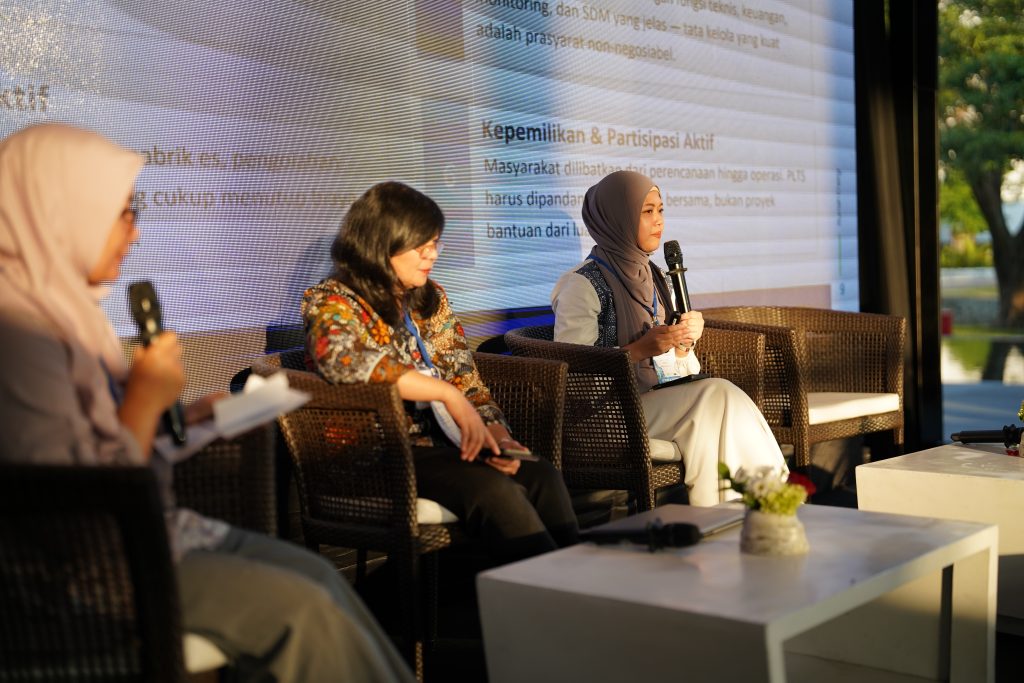
The discussion took place amid the Indonesian government’s policy direction to expand opportunities for cooperatives to participate in mineral and coal mining businesses through amendments to mining regulations. Rumah Energi believes this momentum should also be leveraged to broaden the role of cooperatives in supporting Indonesia’s energy transition and climate action agenda.
Over the past several years, Rumah Energi has been developing the Green Cooperative approach, which aims to strengthen existing cooperatives so they can become financing institutions for climate action. This approach focuses on improving cooperative governance, enhancing institutional capacity, and expanding access to financing for renewable energy investments that deliver both economic and environmental benefits.
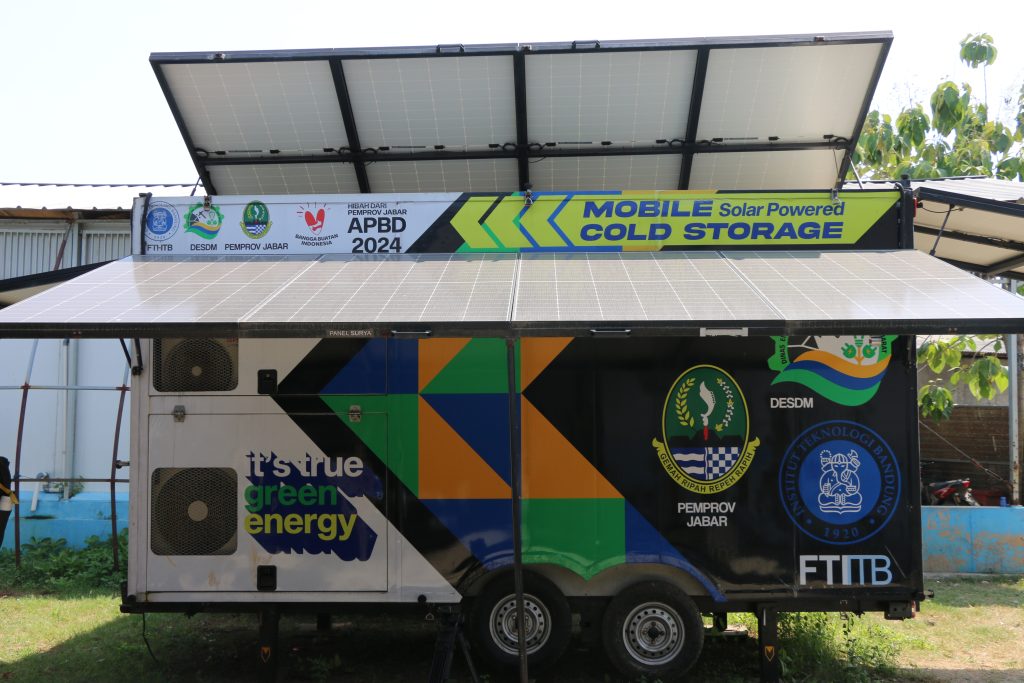
Several successful initiatives have demonstrated how this model can be implemented at the community level. In Blanakan, Subang, cooperatives have been supported in expanding financing access for clean energy solutions that strengthen coastal livelihoods, including the adoption of solar-powered mobile cold storage technology. Meanwhile, in Pasuruan, East Java, dairy farmer cooperatives have become part of a financing mechanism for biogas technology that converts livestock waste into renewable energy. This initiative not only helps farmers reduce energy costs but also increases the economic value of livestock waste while contributing to greenhouse gas emissions reduction.
According to Sakinah, these examples demonstrate that cooperatives can play a far greater role than simply serving as community-based economic institutions. With supportive policies, stronger institutional capacity, and improved access to financing, cooperatives can become vital connectors between community needs, clean energy investment, and the achievement of Indonesia’s low-carbon development goals.
Rumah Energi believes that strengthening the role of cooperatives in the energy transition is a strategic step toward ensuring that the benefits of renewable energy are distributed more broadly and equitably. With extensive networks reaching villages across the country and close relationships with their members, cooperatives are well-positioned to become key drivers of a just energy transition.

KLooking ahead, discussions about the future of cooperatives should extend beyond the sectors they are permitted to operate in. The more important question is how they can contribute to addressing Indonesia’s broader development challenges. As the climate crisis intensifies and the urgency of accelerating the energy transition grows, experience has shown that cooperatives have tremendous potential to become engines of community-based renewable energy financing and climate action.
Written by: Fauzan Ramadhan