
Indonesia, under the leadership of President Prabowo Subianto, is pursuing a major transformation toward energy security and a clean energy transition. One of the government’s flagship ambitions is to deploy 100 GW of solar photovoltaic (PV) capacity across 80,000 villages through cooperatives. Behind this bold vision lies an important question: Can cooperatives play a meaningful role in Indonesia’s energy transition? The TERBIT Project (Just Energy Transition in Indonesia through Community-Based Renewable Energy Models) set out to answer this question by examining the readiness of cooperatives and the opportunities for developing community-based renewable energy.
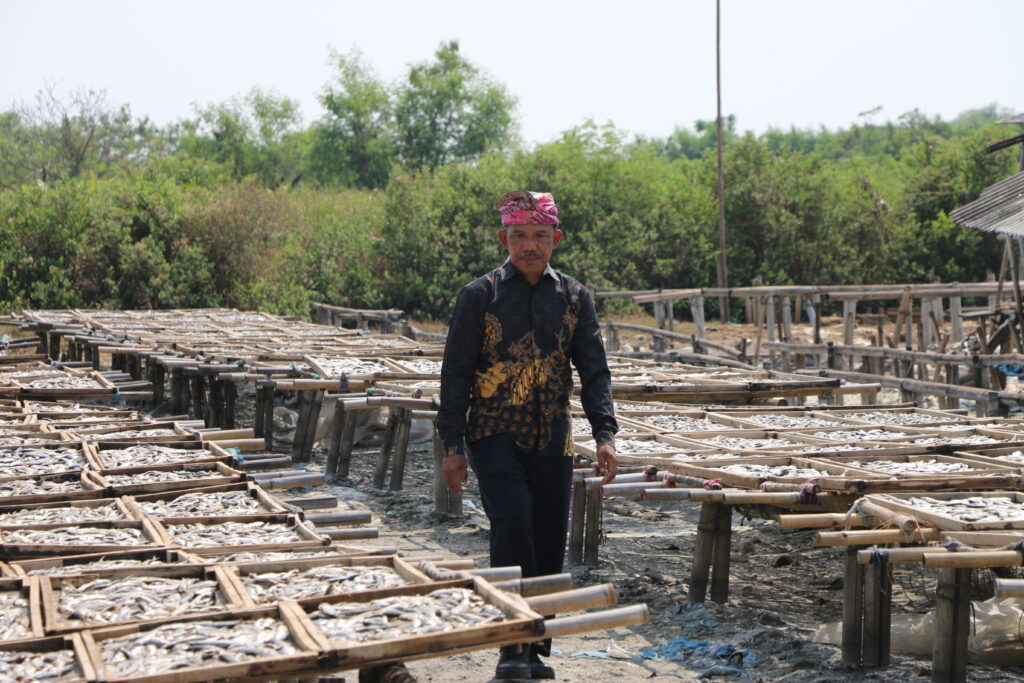
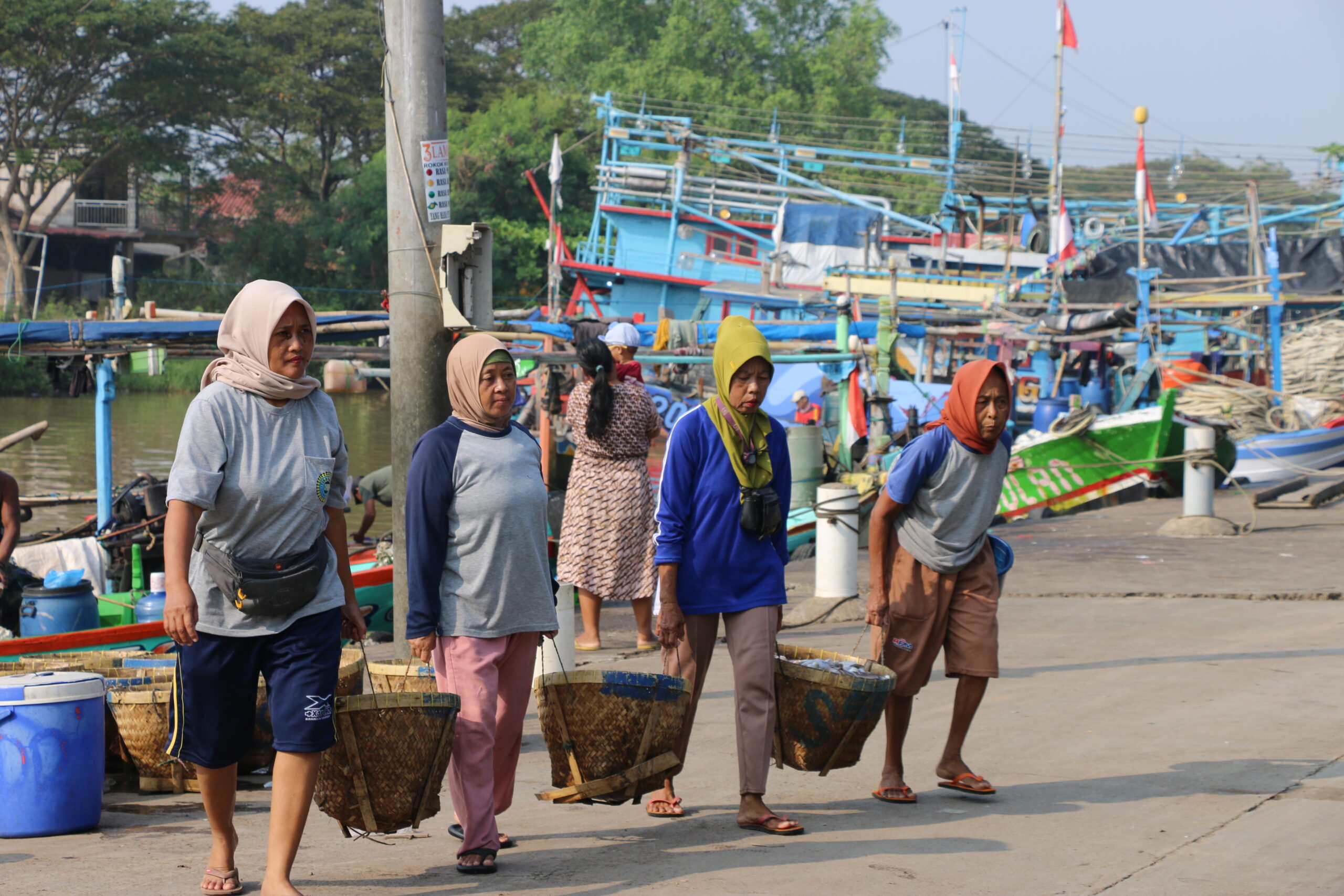
The journey began in three regions that reflect Indonesia’s diverse landscapes: the highlands, coastal areas, and small islands. From Pasuruan, Blanakan, to Giligenting Island, TERBIT assessed local energy needs, cooperative readiness, renewable energy potential, and business models suited to each community’s unique context. The findings revealed that there is no one-size-fits-all approach. However, in several locations, TERBIT found that cooperatives with strong institutional capacity and well-established business operations have significant potential to develop and manage solar PV systems integrated with their productive economic activities.
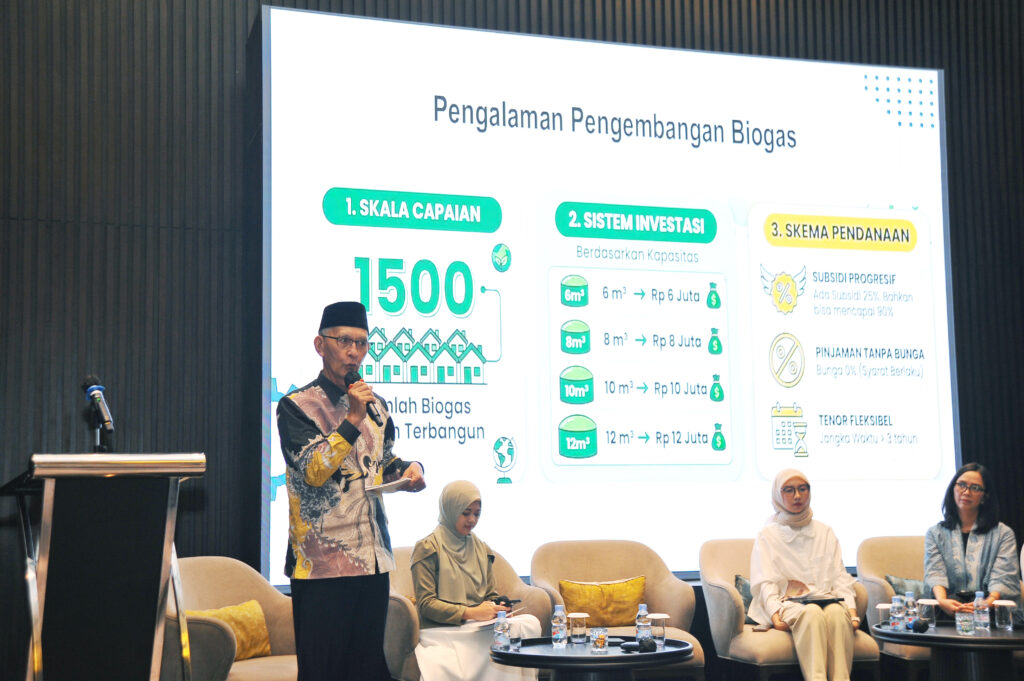
These field findings were then brought into the policy arena through Focus Group Discussions (FGDs), Multi-Stakeholder Forums, and the Green Cooperative Solar Initiative Dialogue. Government ministries, public institutions, PLN, and other key stakeholders came together to build a shared understanding, define their respective roles, and identify the policy and regulatory support needed to enable cooperative-led renewable energy. The proposed model did not remain merely conceptual. Through the RISE (Readiness of Indonesia Solar Energy) Series Workshops, it was further examined from the perspectives of financial pathways, technology and technical readiness, and overall business viability, in collaboration with experts and relevant stakeholders.
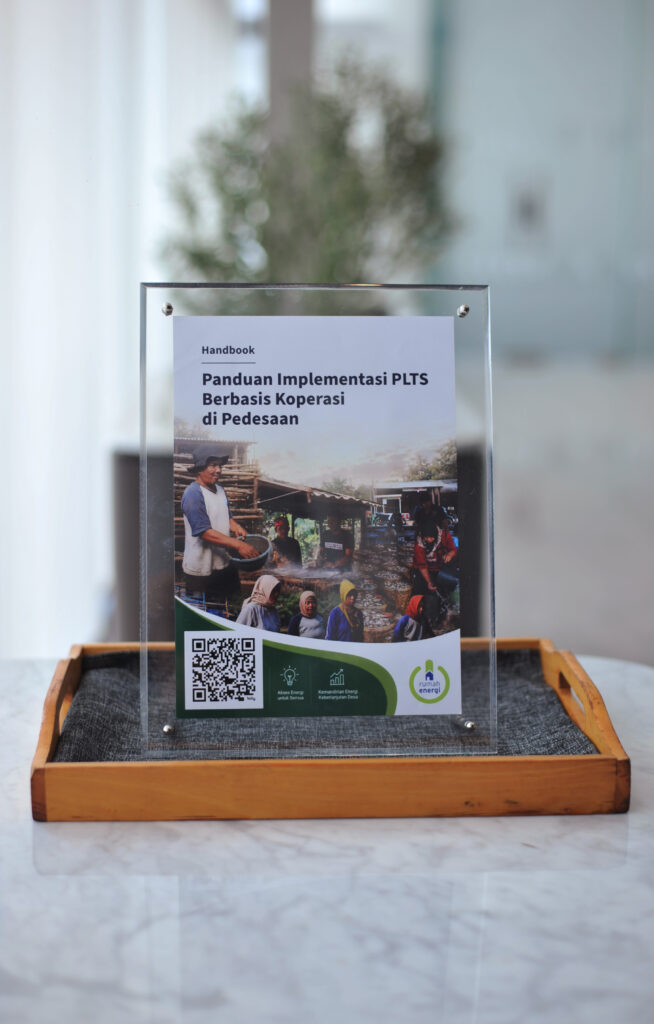
The entire learning journey has been compiled into the Handbook for Implementing Cooperative-Based Solar PV Systems in Rural Areas, published by Rumah Energi. The handbook enables cooperatives to assess their readiness through a self-assessment tool, follow a step-by-step implementation roadmap, and access practical resources and support networks to begin their own cooperative-led solar energy initiatives.
Ultimately, TERBIT Phase 1 demonstrates that cooperatives are both capable of and well-positioned to become key actors in Indonesia’s energy transition. However, this potential cannot stand alone. It requires capable cooperatives, appropriate business models, context-specific technologies, access to financing, and a supportive policy ecosystem. From field implementation to policy dialogue, TERBIT has shown that when these elements come together, renewable energy becomes more than just a source of electricity—it becomes a driver of local economic development, with cooperatives at the center of that transformation.
Written by: Theo M. Putra
Edited by: Fauzan Ramadhan