Taking the PELITA Step Forward for NTB
Every day, thousands of tons of waste are generated across West Nusa Tenggara (NTB). Some ends up in landfills, while much of it remains poorly managed. Behind these piles of waste lies a much larger challenge: growing pressure on the environment, risks to public health, lost resource potential, and increasing greenhouse gas emissions.
But what if waste could be seen as more than something that simply needs to be discarded? This question lies at the heart of the Integrated Upstream-Downstream Waste Management Project (PELITA) NTB, an initiative led by Rumah Energi to promote a more integrated waste management system—from households and villages to final waste processing facilities.
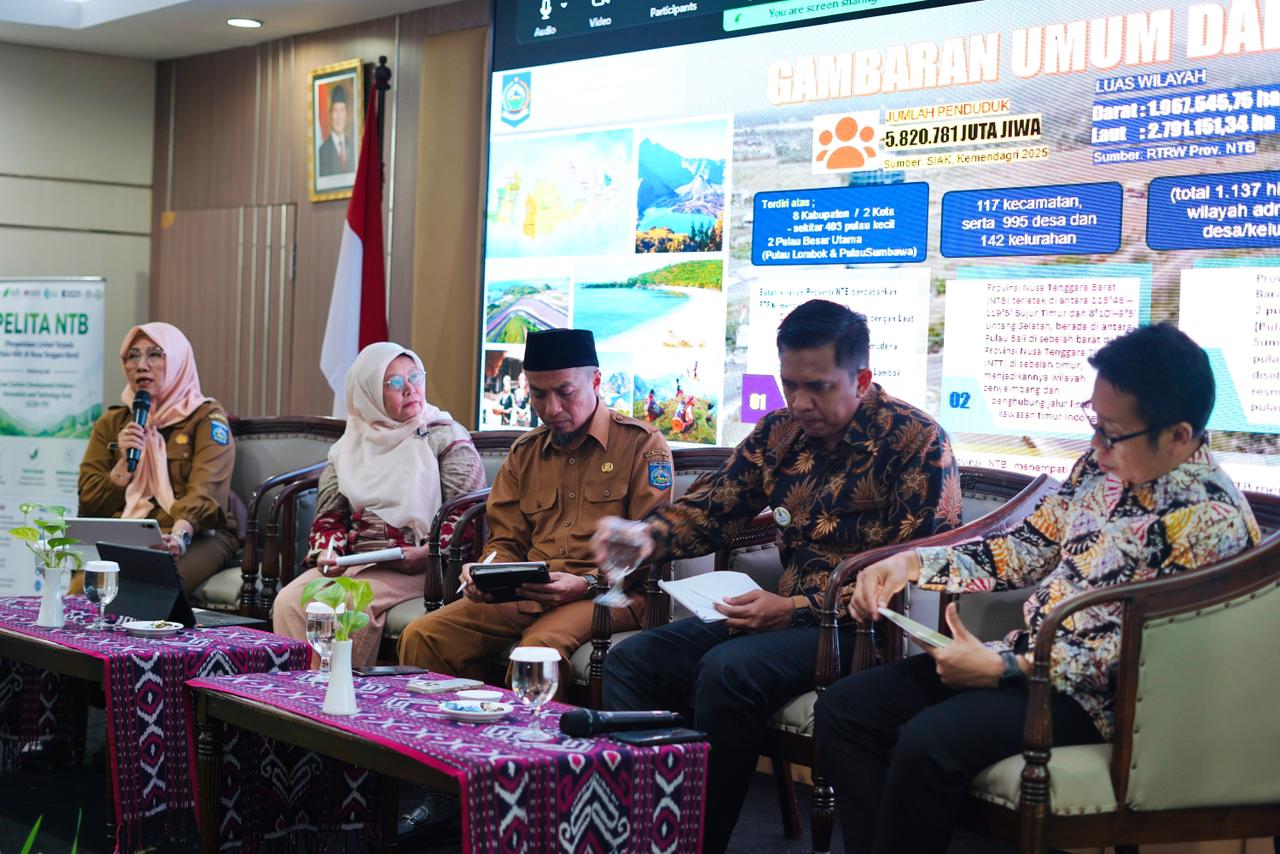
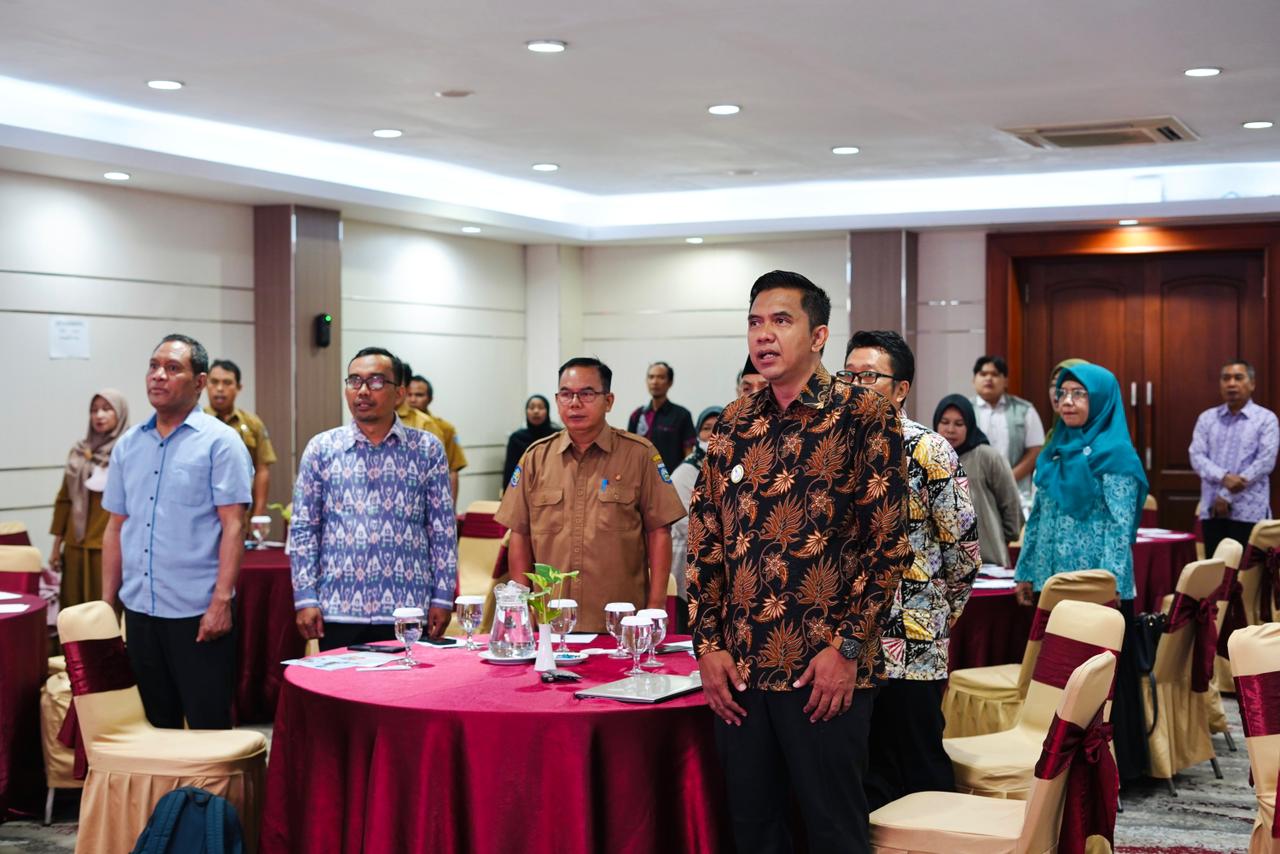
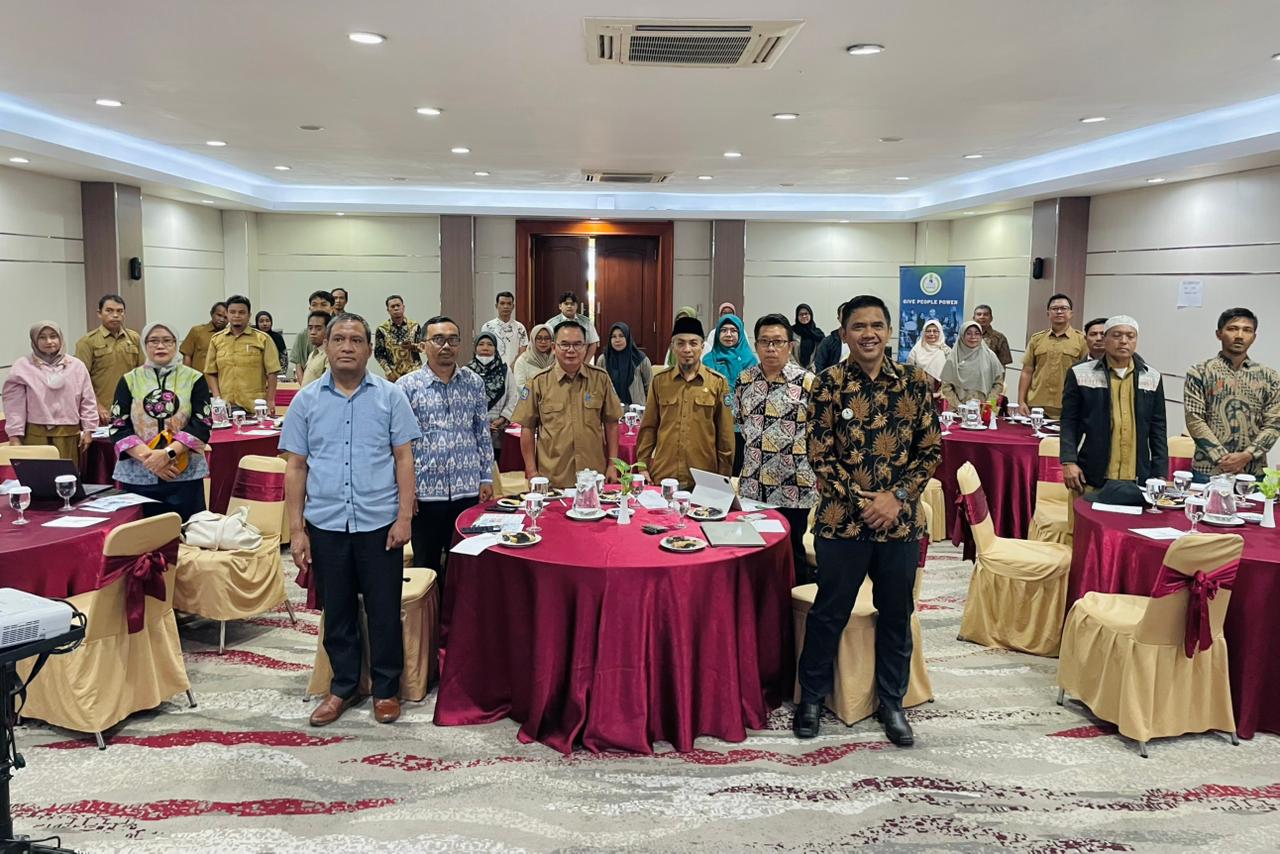
This commitment was strengthened through the Kick-Off and Dissemination of the Feasibility Study (FS) and Detailed Engineering Design (DED) for Project PELITA NTB, held in Mataram, Lombok, on 31 August 2026. The meeting was more than a forum to present the project design. Local governments, universities, civil society organizations, communities, as well as women’s and disability groups came together to provide input and help refine the design that will guide the project’s implementation.
From Upstream to Downstream: Rethinking Waste Management
Waste cannot be addressed simply by building more treatment facilities. Change needs to start at the source. A significant portion of household waste is organic. When properly separated and managed, this waste has the potential to become a resource. Organic waste can be processed into clean energy, organic fertilizer, and other products that create economic value for communities.
Through PELITA NTB, organic waste management will be encouraged at the household and village levels. This upstream approach will be connected to downstream waste treatment technologies, including leachate management and waste processing to generate energy and economic benefits.
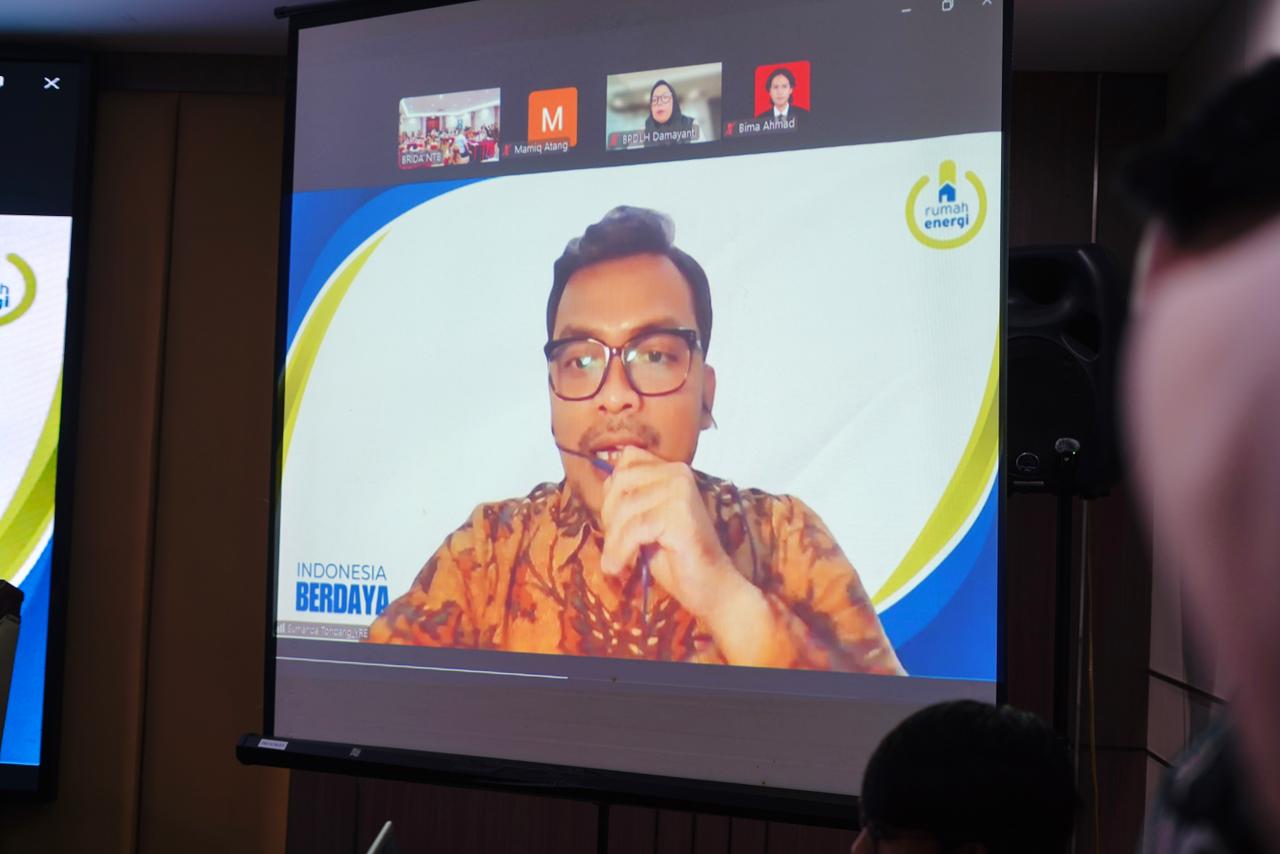
In this way, waste management can move beyond the conventional collect, transport, and dispose model toward a more circular system.
“PELITA NTB is designed to look at waste as a whole, from its source to its final treatment. We want to encourage a shift in perspective so that waste, which has traditionally been seen as a burden, can be managed as a resource that creates benefits for both communities and the environment,”
— Sumanda Tondang, Executive Director of Rumah Energi
Starting Change at the Village Level
Project PELITA NTB is designed to reach 28 Desa Berdaya (Empowered Villages) across NTB, including the areas of Gili Trawangan, Gili Air, and Moyo Island. Villages are central to this approach because transforming waste management systems is not only about technology. It also requires the active participation of communities who generate and deal with waste in their daily lives.
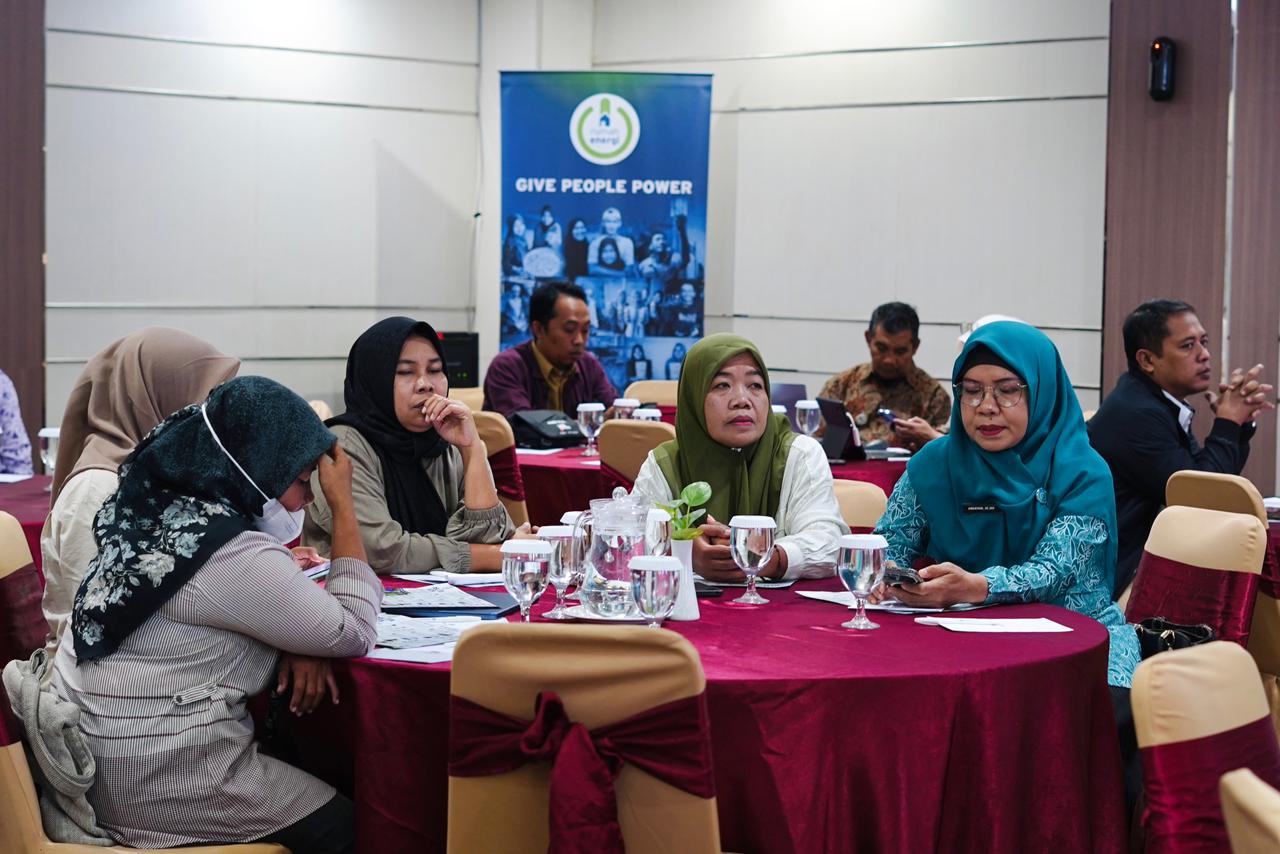
For this reason, PELITA NTB is designed with an inclusive approach. Women, young people, persons with disabilities, and other community groups are expected to participate in waste management while gaining access to the green economic opportunities created through the project.
This approach also creates opportunities to connect waste management with broader development priorities. Organic waste, for example, can be processed into fertilizer to support agriculture. Waste treatment can also generate alternative energy. At the same time, improved waste management can reduce environmental pressures and contribute to a more sustainable tourism sector—one of NTB’s key economic drivers.
Building a System That Can Last
A sustainable waste management system cannot be built by one institution alone. That is why Rumah Energi has promoted multi-stakeholder engagement from the planning stage. Local and district governments, universities, civil society organizations, communities, and village representatives have been involved in the process of refining the project design.
The inputs gathered go beyond technical considerations. The FS and DED studies for PELITA NTB also assess environmental and social aspects, institutional arrangements, risks, emissions reduction potential, energy benefits, and financial feasibility.
This approach is essential to ensure that the project does not stop at infrastructure development.
Technology can be built within a defined period of time. But a system can only last when it is supported by strong institutions, capable human resources, viable business models, and a sense of ownership among communities and local governments.
To support more measurable and accountable management, PELITA NTB will also utilize Internet of Things (IoT) technology and a Monitoring, Reporting, and Verification (MRV) system. These tools are expected to help monitor facility performance and measure environmental benefits, including potential emissions reductions.
Towards a Cleaner and More Resilient NTB
Project PELITA NTB is part of the cooperation between Indonesia and the United Kingdom through the Low Carbon Development Indonesia–Innovation and Technology Fund (LCDI-ITF). The project is expected to contribute to NTB’s low-carbon development and green economy agenda.
For Rumah Energi, however, the success of a project cannot be measured simply by the number of facilities built.
It should also be reflected in the amount of waste diverted from landfills, stronger community capacity to manage local resources, new economic opportunities, and greater access to development benefits for women, persons with disabilities, and other vulnerable groups.
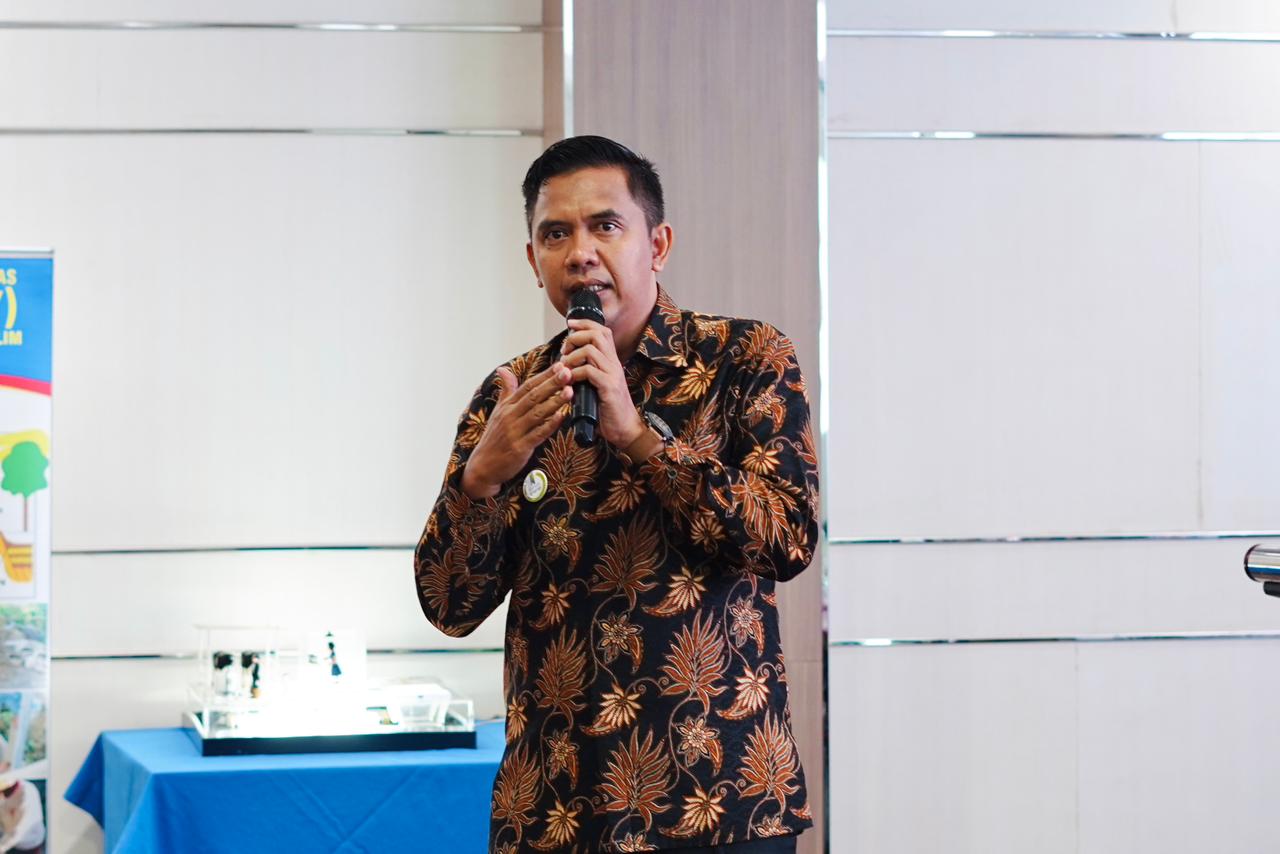
Construction of PELITA NTB is planned to begin in September 2026 and continue through April 2027. The journey toward implementation is only beginning. Yet the process so far has demonstrated one important lesson: addressing waste requires solutions that are built together.
Through PELITA NTB, we want to help shift the way waste is understood. Waste should no longer be seen simply as something to be removed. When managed properly, it can become a source of energy, support food security, create economic opportunities, reduce emissions, and strengthen communities.
From villages to final waste processing facilities, Rumah Energi hopes this transformation can grow into a system that not only makes NTB cleaner, but also more resilient, inclusive, and sustainable.