Designing Inclusive Biodigesters for Empowered Villages in NTB
Rumah Energi is continuing to strengthen its efforts to support the Government of West Nusa Tenggara (NTB) Province in building empowered villages through the use of renewable energy. One of the initiatives currently being prepared is the construction of 34 pilot biodigester sites across various areas of NTB through the PELITA NTB Program.
Building biodigesters is not simply about introducing technology that converts waste into energy. The technology needs to be designed so that it can be used by and benefit as many people as possible, including persons with disabilities.
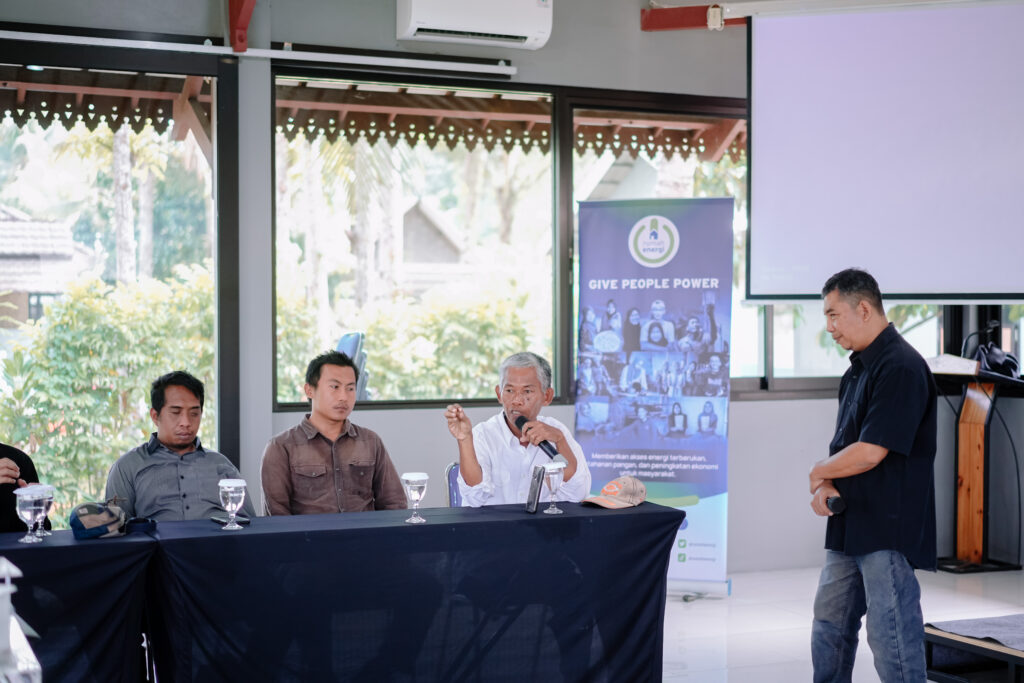
For this reason, before construction begins, Rumah Energi held a Focus Group Discussion (FGD) on the development of the Detailed Engineering Design (DED) in West Lombok. The FGD provided a space to test and refine the biodigester design based on the actual needs of prospective users.
Listening to Users from the Design Stage
PELITA NTB Project Manager Krisna explained that the 34 biodigester sites are expected to serve as examples for communities across NTB in developing renewable energy initiatives that make use of locally available resources. However, technology can only deliver meaningful benefits when communities can use it easily and safely.
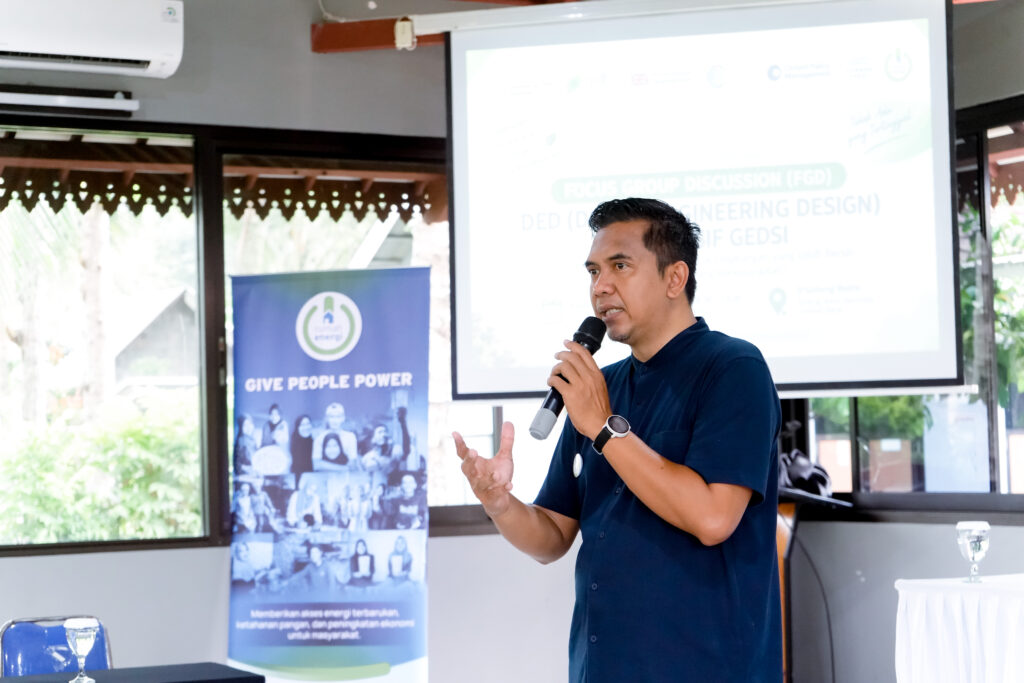
“Whatever biodigester we build must be accessible to all segments of society, especially persons with disabilities,” said Krisna.
Based on this principle, the FGD brought together not only technical experts but also representatives of persons with disabilities, who were directly involved in sharing their experiences, needs, and recommendations regarding the accessibility of biodigester facilities. This approach positions persons with disabilities not merely as beneficiaries, but as active participants in determining how the technology should be designed.
For example, for wheelchair users, access to the biodigester area needs to take into account sufficient space for movement and ease of mobility. Similarly, the needs of people with other physical disabilities need to be considered from the design stage so that the facilities can be used more independently.
Inclusivity Extends to Supporting Technology
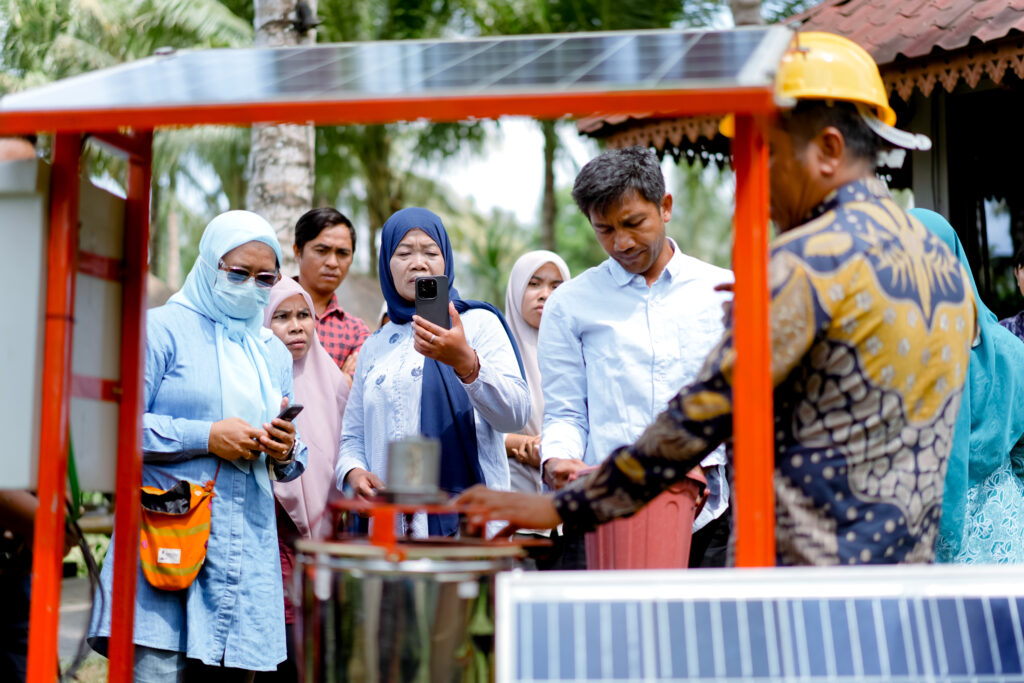
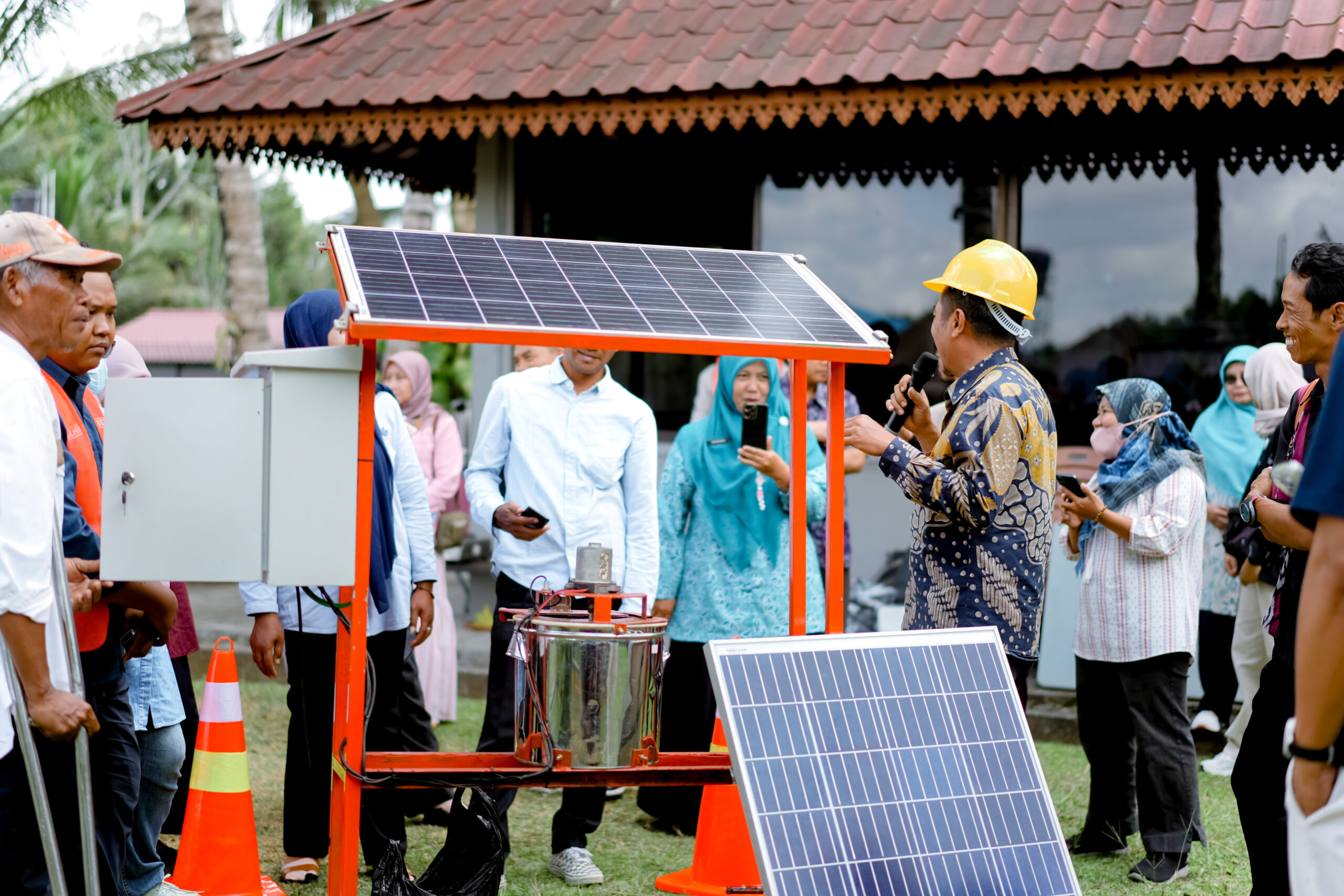
The principle of inclusivity is also being applied to supporting equipment, including a solar-powered organic waste chopper. During the FGD, participants provided input on how the equipment could provide information that is easy to understand for users with different needs. One of the aspects discussed was the use of signs or indicators to show whether the machine is ready to use, currently operating, or has finished operating.
Participants also provided input on the machine’s audio notification system. For users with hearing impairments, for instance, the information system needs to incorporate clear visual indicators. At the same time, audio notifications can serve as additional information for other users to identify the machine’s operating status. In this way, accessibility is not treated as an additional feature to be added after the technology has been developed. Instead, it is integrated into the design process from the outset.
Turning Waste into Energy
Beyond accessibility, the FGD also served as a forum to further develop the technical design of the biodigester. Hirwan, a vocational school teacher and developer of organic waste choppers, demonstrated and explained the use of a standard solar-powered organic waste chopper.
Meanwhile, technical resource persons provided an overview of the biodigester design, covering the layout and spatial arrangement, the size and depth of the digester tank, supporting components, and the biogas distribution system that can be used for cooking in household kitchens.
This technology has the potential to transform various types of waste that are often seen as a problem into a source of energy. Livestock manure, household organic waste, and other organic materials can be used as feedstock for biogas through appropriate processing.
This approach not only offers an alternative energy source, but also creates opportunities for better waste management at the community level.
Moving Towards 34 Pilot Biodigester Sites
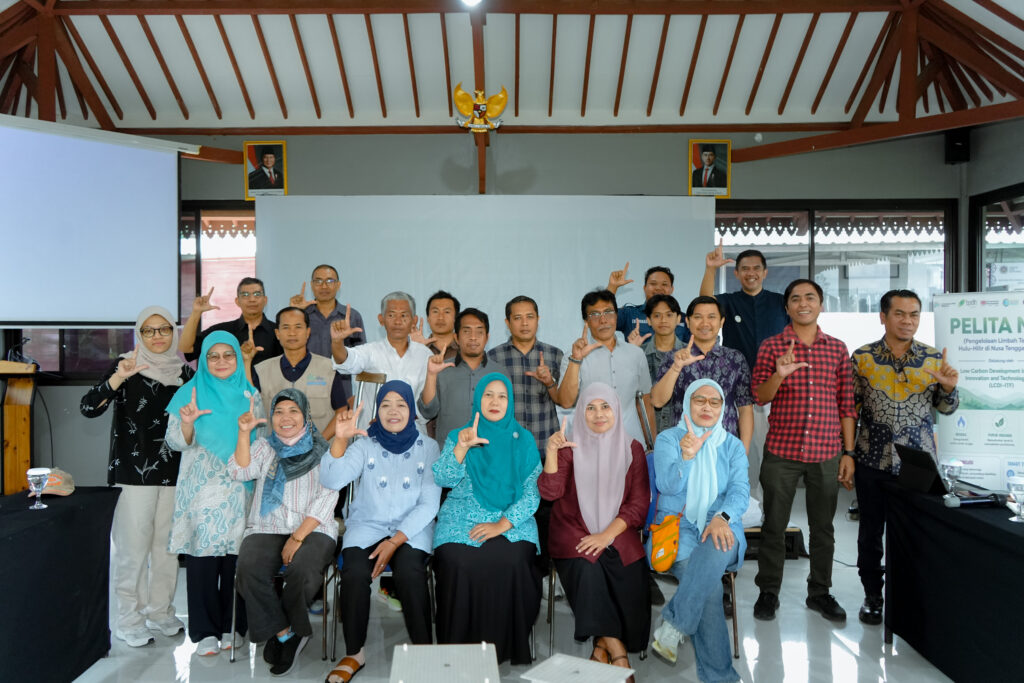
Around 30 participants from various community groups took part enthusiastically in the FGD. The discussion demonstrated that communities see significant potential in renewable energy solutions that make use of materials and resources available in their surroundings.
This process is an important step in ensuring that the 34 biodigester sites to be constructed will not only meet technical standards, but also respond to community needs and be accessible to different groups.
“We are doing all of this to ensure that the biodigesters we build in the future are truly ready to serve all segments of society, including the mainstreaming of gender, disability, and inclusion,” said Krisna.
Through a participatory and inclusive approach, Rumah Energi seeks to make the 34 biodigester sites in NTB more than just technology demonstration projects. The sites are expected to become learning spaces where communities can see that renewable energy can be developed from resources available around them, managed collectively, and designed so that its benefits can be enjoyed by everyone.
This effort also strengthens the movement towards building more empowered villages—villages that are able to identify their local potential, manage their resources, and take part in creating cleaner, more inclusive, and sustainable energy systems.