

Rumah Energi and Purwakarta Regency Government Promote Women as Key Actors in the Energy Transition
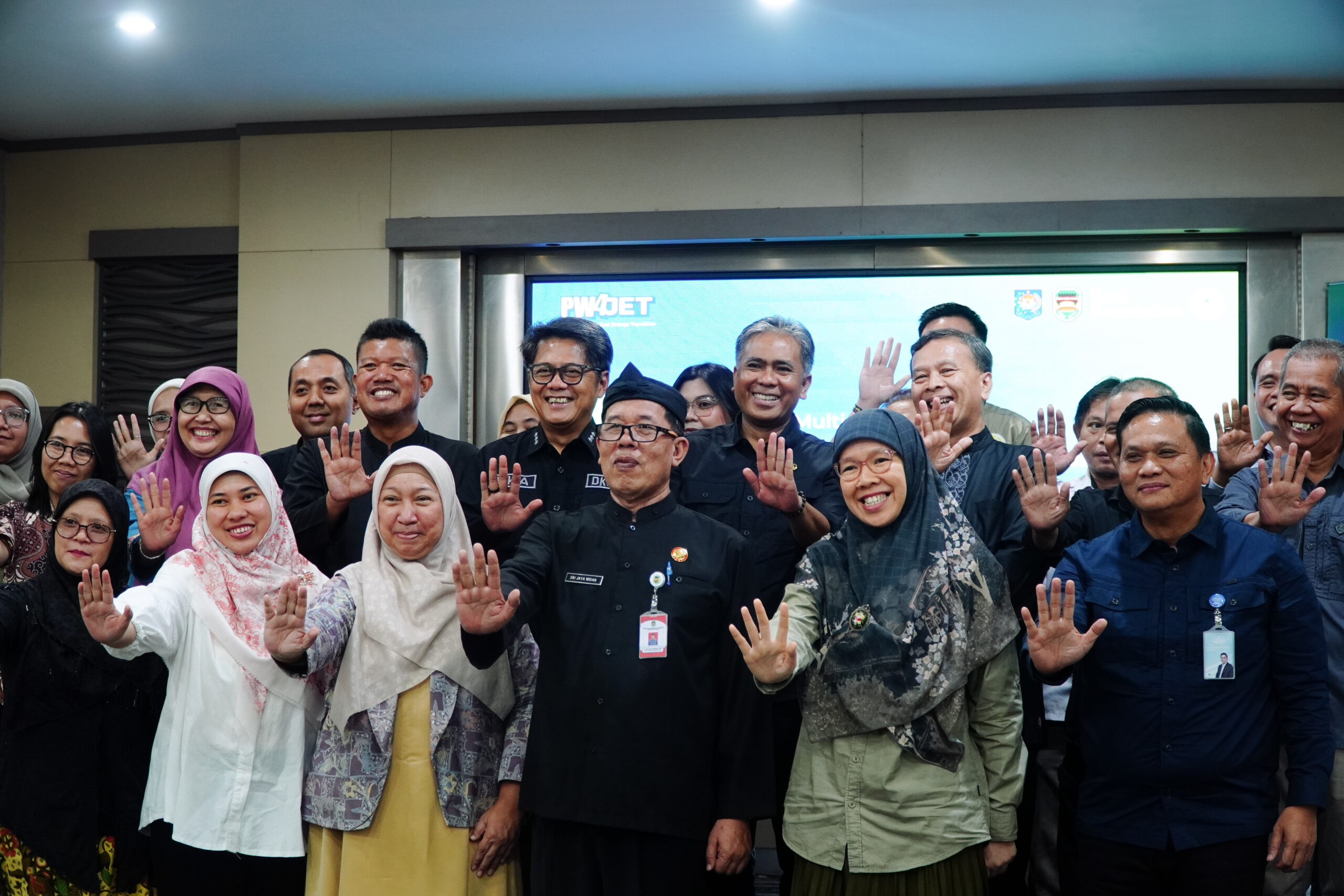
Purwakarta, 23 September 2026 – The Purwakarta Regency Government and Rumah Energi are encouraging women living around the Cirata Floating Solar Power Plant (PLTS Terapung Cirata) to become key actors in the energy transition. This commitment was highlighted through a multi-stakeholder forum titled “Building an Inclusive and Gender-Responsive Energy Transition in the Cirata Floating Solar Power Plant Area,” which brought together government institutions, energy-sector stakeholders, and financial institutions to strengthen women’s access to training, financing, economic opportunities, and participation in decision-making.
Held on 23 September 2026 at Aula Janaka, the Purwakarta Regency Secretariat, the forum served as a coordination platform involving central and local governments, energy-sector stakeholders—including PT PLN Nusantara Power, PT PMSE, and Perum Jasa Tirta II—as well as financial institutions Bank BRI and Bank BJB.
Cross-Sector Collaboration and Government Support
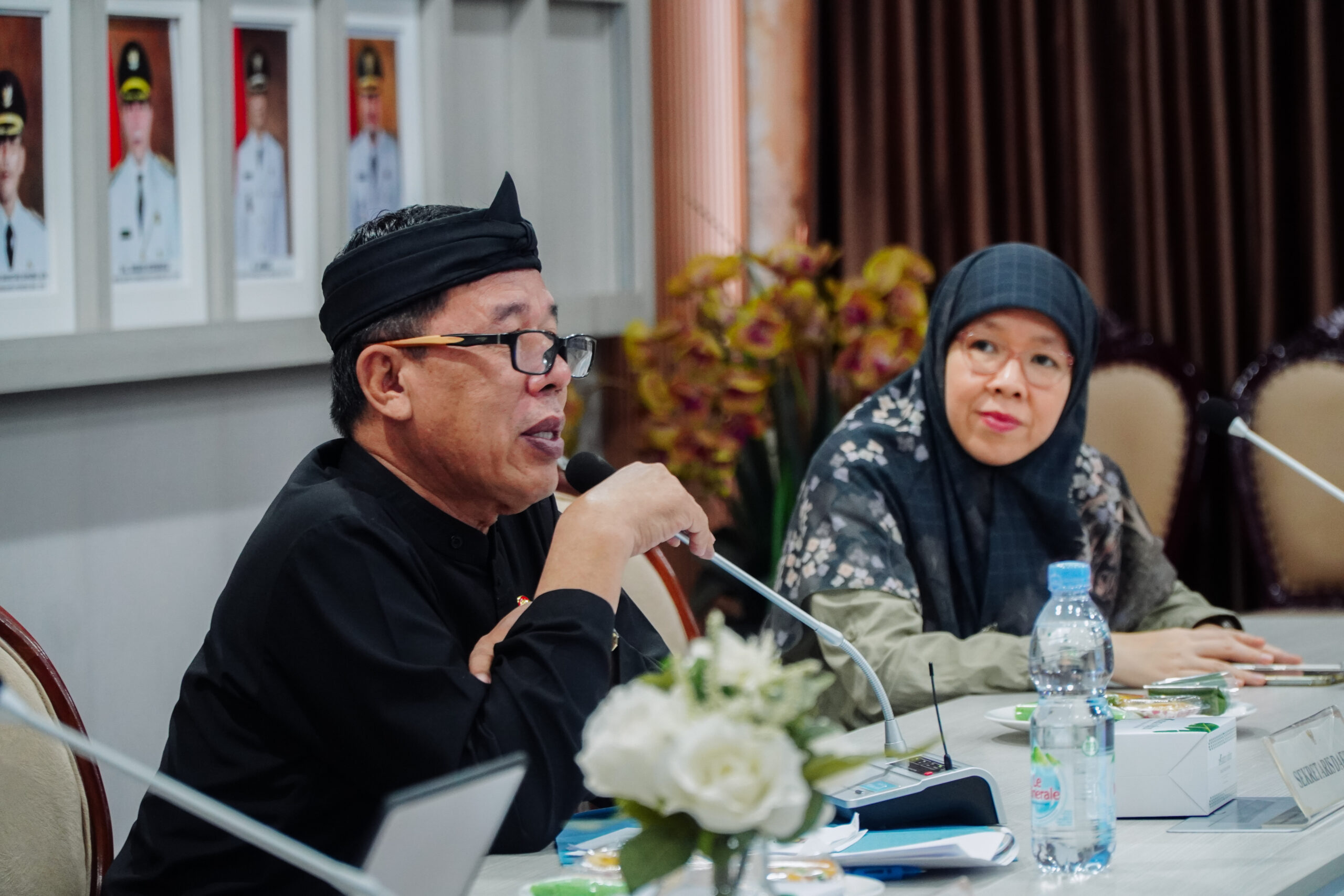
Secretary of Purwakarta Regency, Ir. Sri Jaya Midan, M.P., emphasized the importance of active and integrated collaboration among stakeholders.
“An inclusive energy transition cannot be achieved through fragmented efforts. The local government cannot work alone. We need strong collaboration and synergy among the central government, private sector, and banking institutions to ensure that these programs create a multiplier effect for local communities.”
Sri also expressed hope that the Cirata Floating Solar Power Plant area and Maniis Subdistrict could serve as a pilot area for the development of an inclusive energy transition.
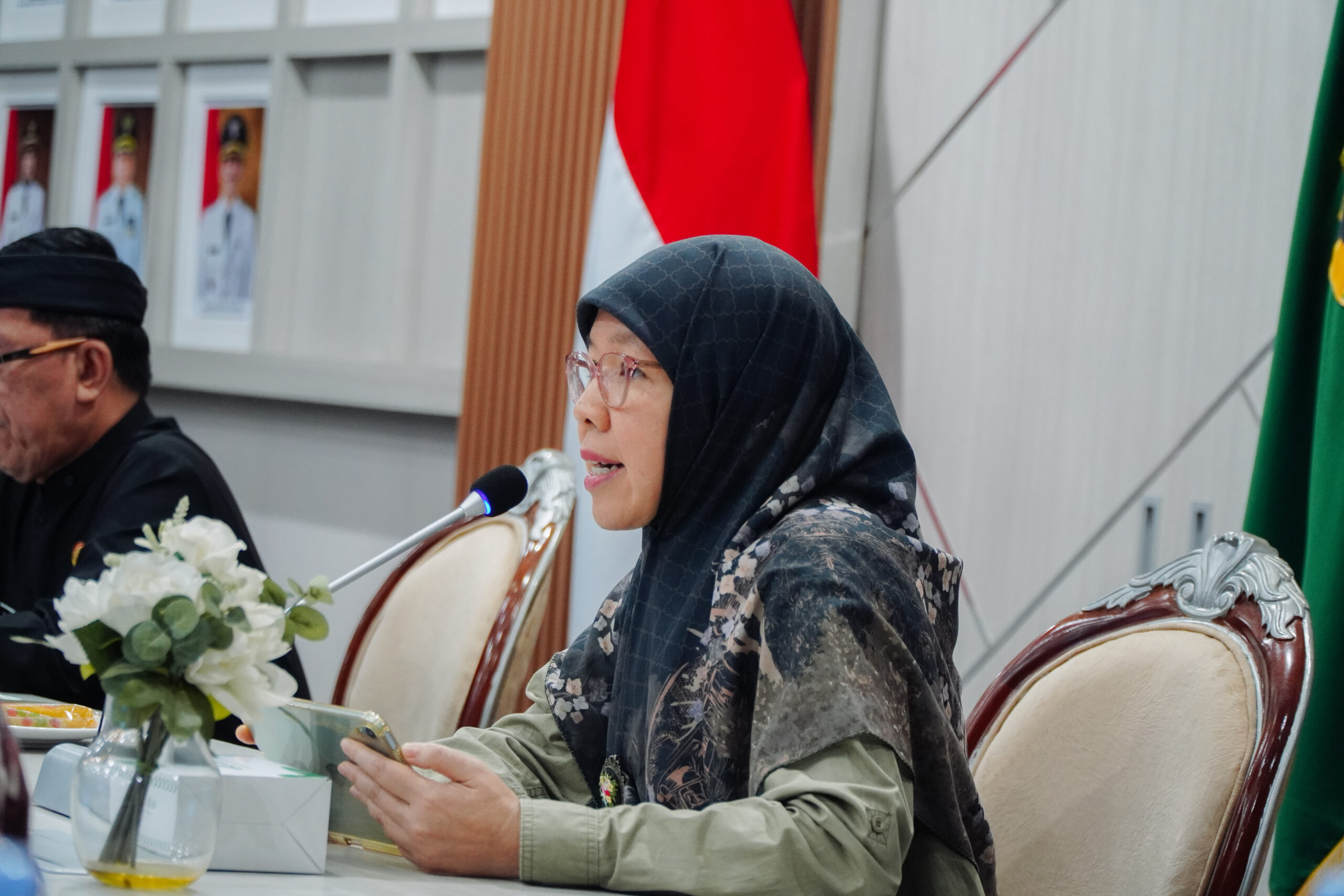
In line with this, Nani Dwi Wahyuni, S.E., M.IS., Assistant Deputy for Community Participation under the Ministry of Women’s Empowerment and Child Protection’s Gender Mainstreaming Division, emphasized that the energy transition cannot be separated from the broader agenda of human development and women’s empowerment.
“Women’s economic empowerment must be part of the energy transition agenda. We need to ensure that women have opportunities to improve their skills, develop businesses, and achieve economic independence. Empowerment models such as the Women’s Food Garden demonstrate how economic empowerment can serve as an entry point connecting food security, environmental conservation, and women’s leadership at the local level,” said Nani.
Meanwhile, Rumah Energi Executive Director Sumanda Tondang reiterated the importance of collaboration in creating equal opportunities within communities.
“The energy transition must create equal opportunities for communities, particularly women. Cross-sector collaboration is therefore essential to connect community capacities with access to programs, financing, and economic opportunities,” said Sumanda.
Strengthening Women’s Role in the Energy Transition
The forum is part of the PW4JET (Pro Women for Just Energy Transition) program, implemented by Rumah Energi with support from the Ford Foundation. PW4JET focuses on strengthening women’s roles in a just energy transition.
The program is being implemented in four villages in Maniis Subdistrict—Citamiang, Sinargalih, Tegal Datar, and Pasir Jambu—with particular attention to women-headed households (Perempuan Kepala Keluarga/PEKA) as one of the vulnerable groups.
PW4JET Project Manager Gustina highlighted the importance of incorporating social and gender dimensions into the just energy transition.
“The energy transition cannot be achieved if we only focus on technology without addressing the social dimensions and gender inequalities surrounding it. PW4JET seeks to position women as key actors in the energy transition, rather than merely passive beneficiaries. We hope this forum will generate cross-sector commitments that ensure meaningful participation for women, giving them equal access, control, and benefits from energy development in their communities.”
Several interventions have already been carried out, including the kick-off and Gender Equality, Disability, and Social Inclusion (GEDSI) mainstreaming workshop on 5 August 2026, followed by the Gender Action Learning System (GALS) workshop on 26–27 August 2026.
The next phase will focus on strengthening community capacity through a range of activities, including climate-smart training such as the utilization of water hyacinth for silage and compost production, introduction to biogas technology, and strengthening women’s leadership.
Through these activities, PW4JET seeks to strengthen community capacity while connecting communities with government programs, corporate social responsibility (CSR) initiatives, financing opportunities, and enterprise development that can support women’s economic independence in the target areas.
The multi-stakeholder forum is expected to serve as an important platform for strengthening these collaborations and positioning Maniis Subdistrict as an example of an energy transition approach that goes beyond technology to address the social, economic, and gender equality dimensions of the transition.
Written by: Kharisanty Soufi
Edited by: Fauzan Ramadhan