
Food Security Begins with Resilient Smallholder Dairy Farming
A Story of Change from the FRESH Program
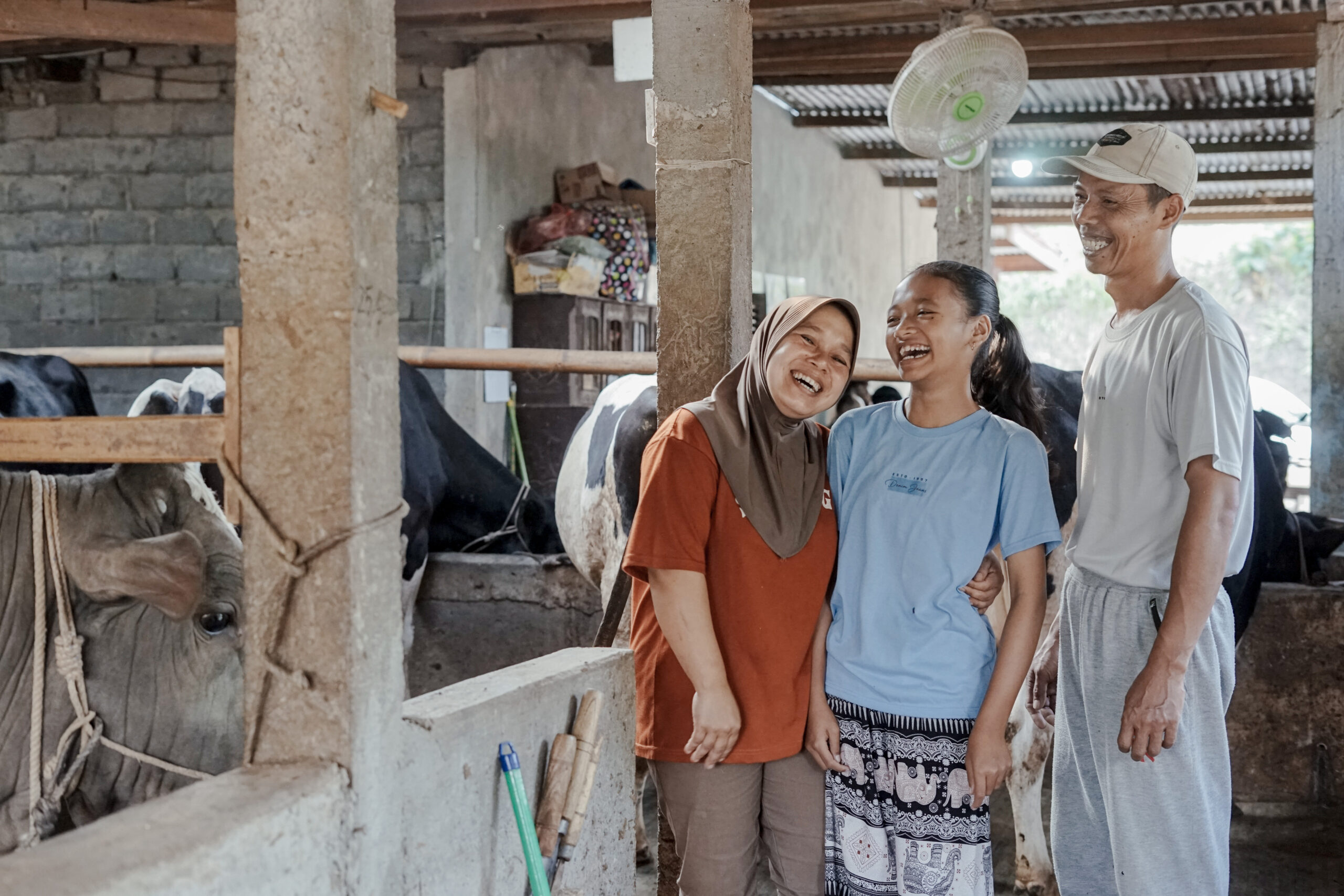
Have we ever wondered what goes on behind a glass of fresh milk that we enjoy? On the southern slopes of Mount Merapi, a woman is working hard to ensure food remains available, even as access to water becomes increasingly difficult. Bu Jiyem faces challenges that may not always be visible from outside her barn. As El Niño prolongs the dry season and water sources become increasingly scarce, she must ensure that her household’s needs are met while also caring for the livestock that sustain her livelihood.
For Bu Jiyem, water is more than just a necessity for drinking or bathing. It determines whether her 14 cows can stay healthy, whether the barn remains hygienic, and whether the quality of the milk they produce can be maintained. Her farm requires up to 750 liters of water every day, not to mention an additional 20 liters of clean water specifically for washing the udders of her lactating cows before milking.
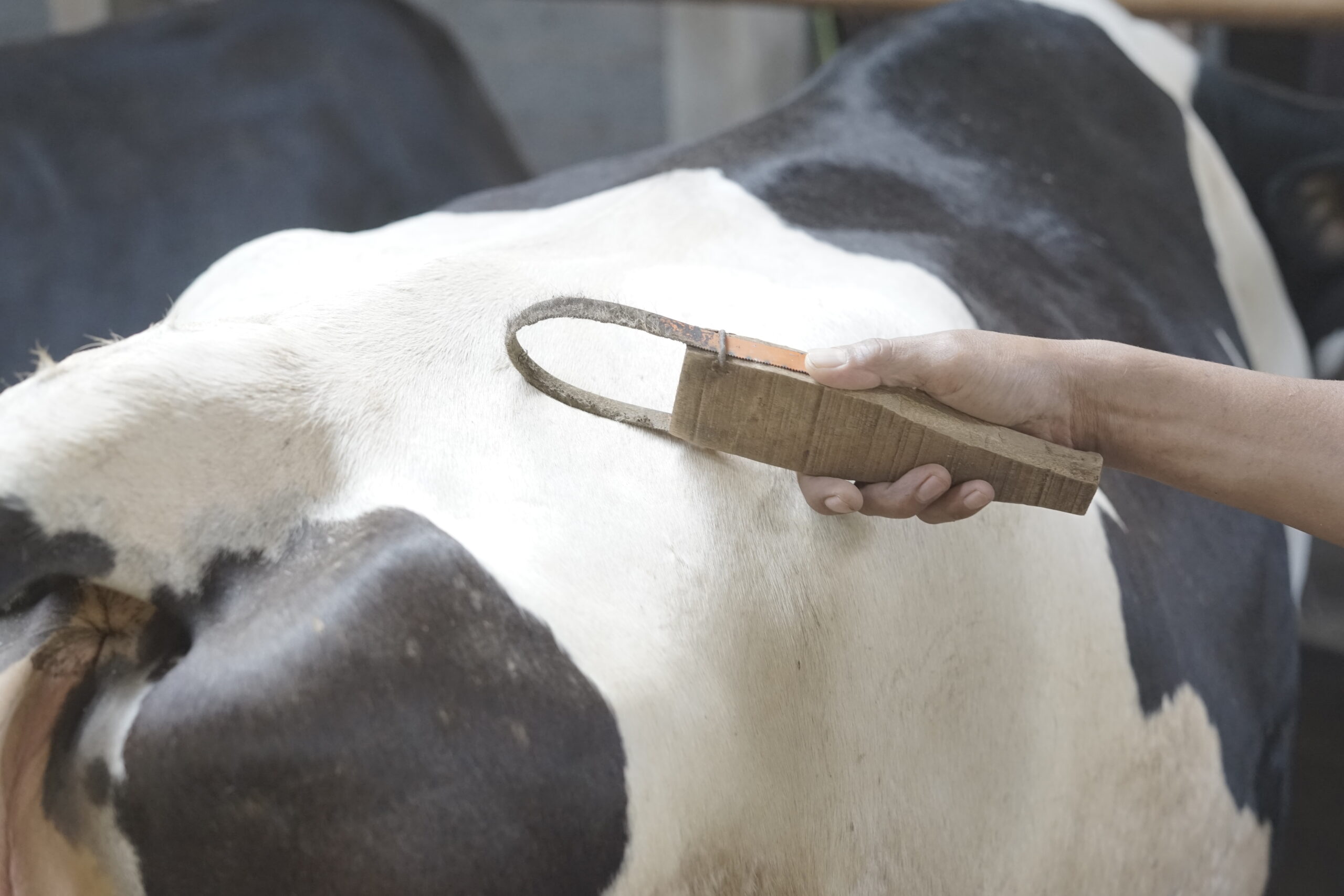
Keeping the barn relatively clean, dry, and odor-free requires a thoughtful approach to managing limited water supplies. Bu Jiyem has developed her own ways of making the most of the water available. She practices a circular water-use approach (water reuse) by reusing water from washing the cows’ udders to clean manure from the barn floor. Beyond that, she has also developed a specialized cleaning tool that allows her to remove dirt from her livestock’s bodies without using water. These efforts go beyond operational efficiency. They represent a form of frugal innovation—innovation driven by resource constraints—and demonstrate the resilience of local farmers in responding to water scarcity. For her, when water is not readily available, every drop must be used thoughtfully.
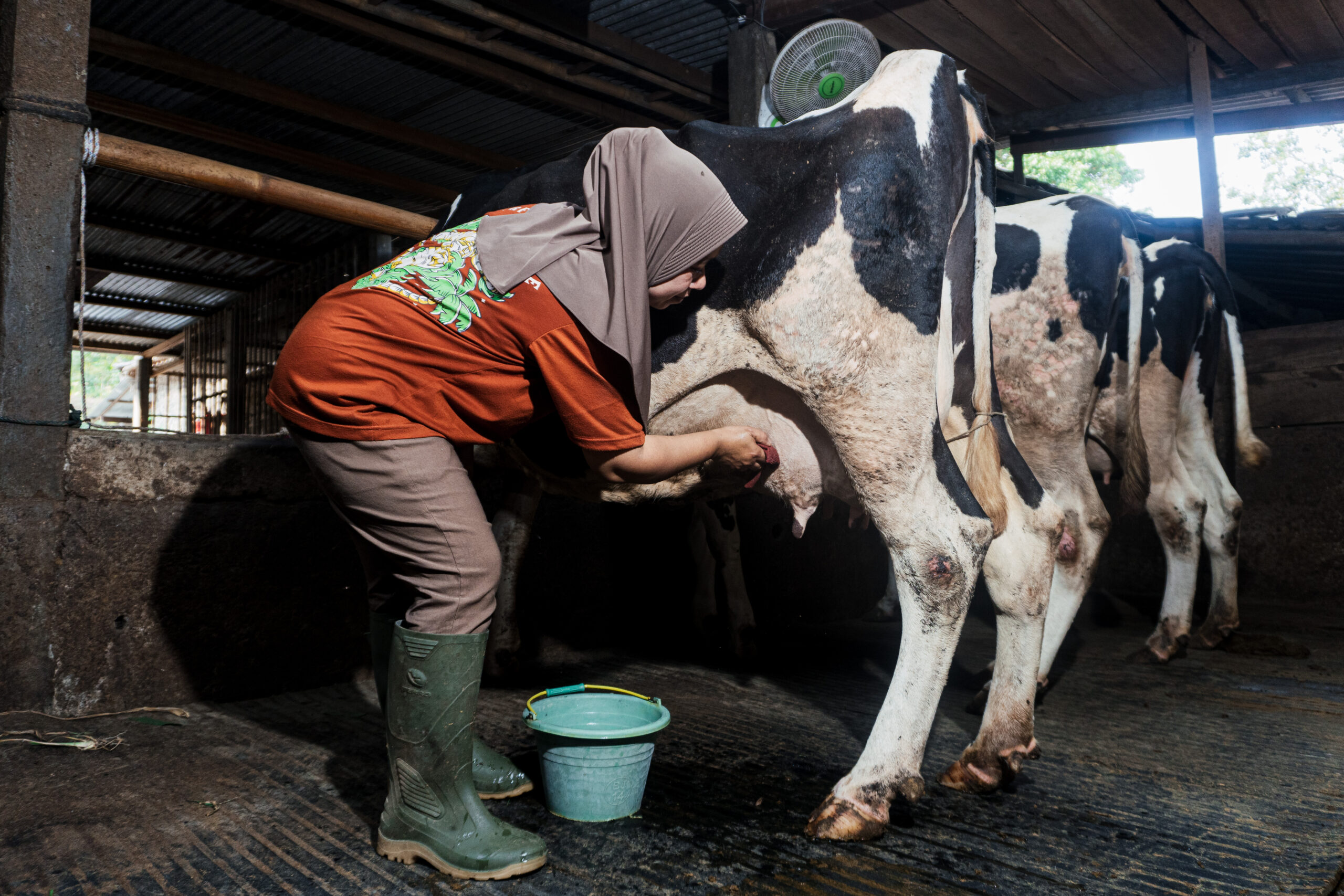
“”For us, ensuring our livestock’s comfort is not an obligation, but an expression of gratitude. They are the source of our family’s livelihood.”” ungkap Bu Jiyem.
These practices may seem simple. Yet behind them lies the perseverance of a woman who continues to find ways to ensure that resource limitations do not bring her livelihood to a halt. Of course, managing water wisely does not eliminate the problem of water scarcity. Bu Jiyem still has to purchase approximately 6,000 liters of water every week at a cost of IDR 280,000 to meet her farm’s needs. This figure highlights how, amid climate change, sustaining food production also means facing a considerable economic burden.
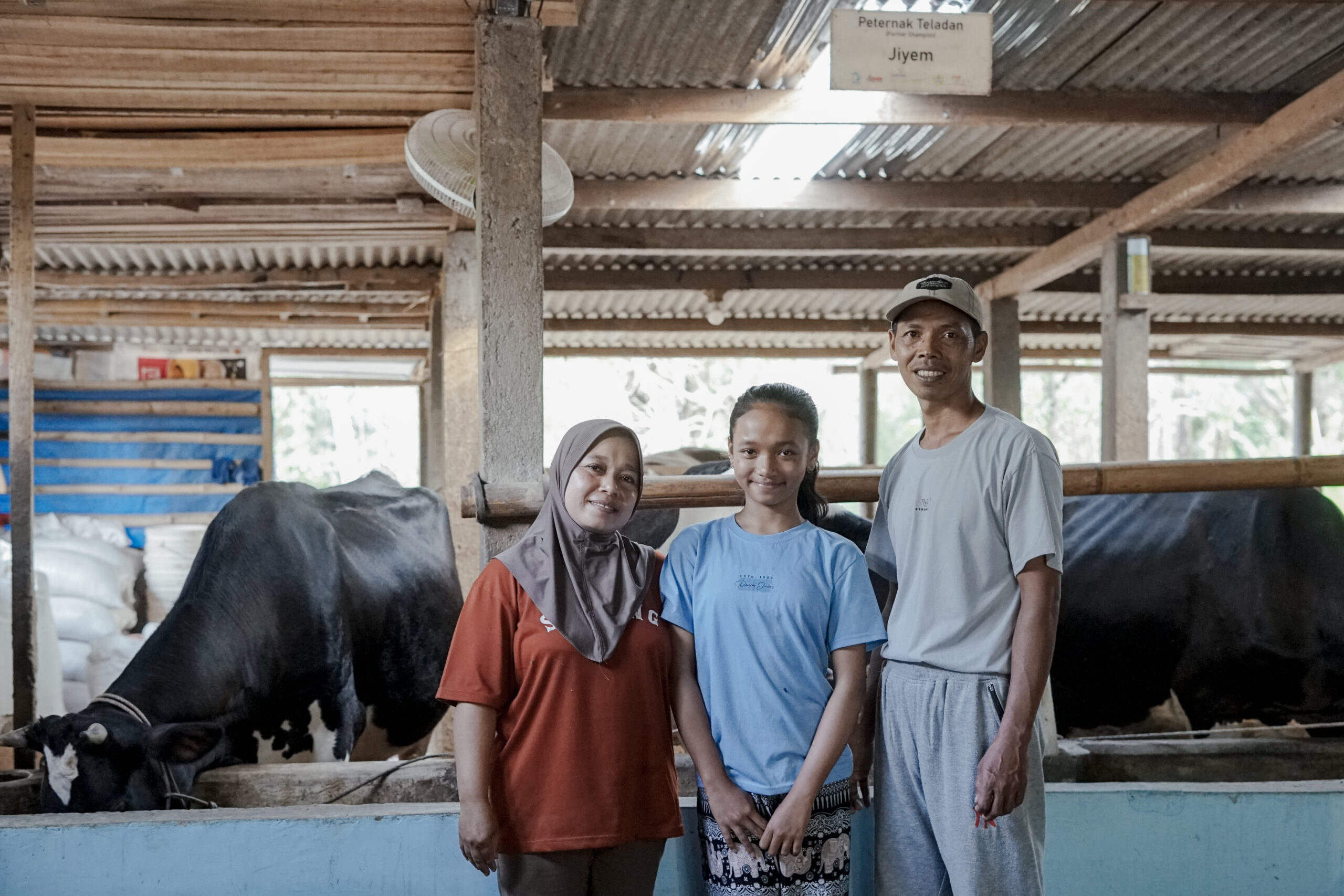
Bu Jiyem’s story invites us to look at food security from a closer perspective. Food does not simply appear on our dining tables. Behind it are natural resources that must be protected, farmers who need continued support, and women whose contributions must be recognized as they stand on the frontlines of sustaining our food systems.