

Building Resilience from Villages Amid the Threat of a Global Energy Crisis
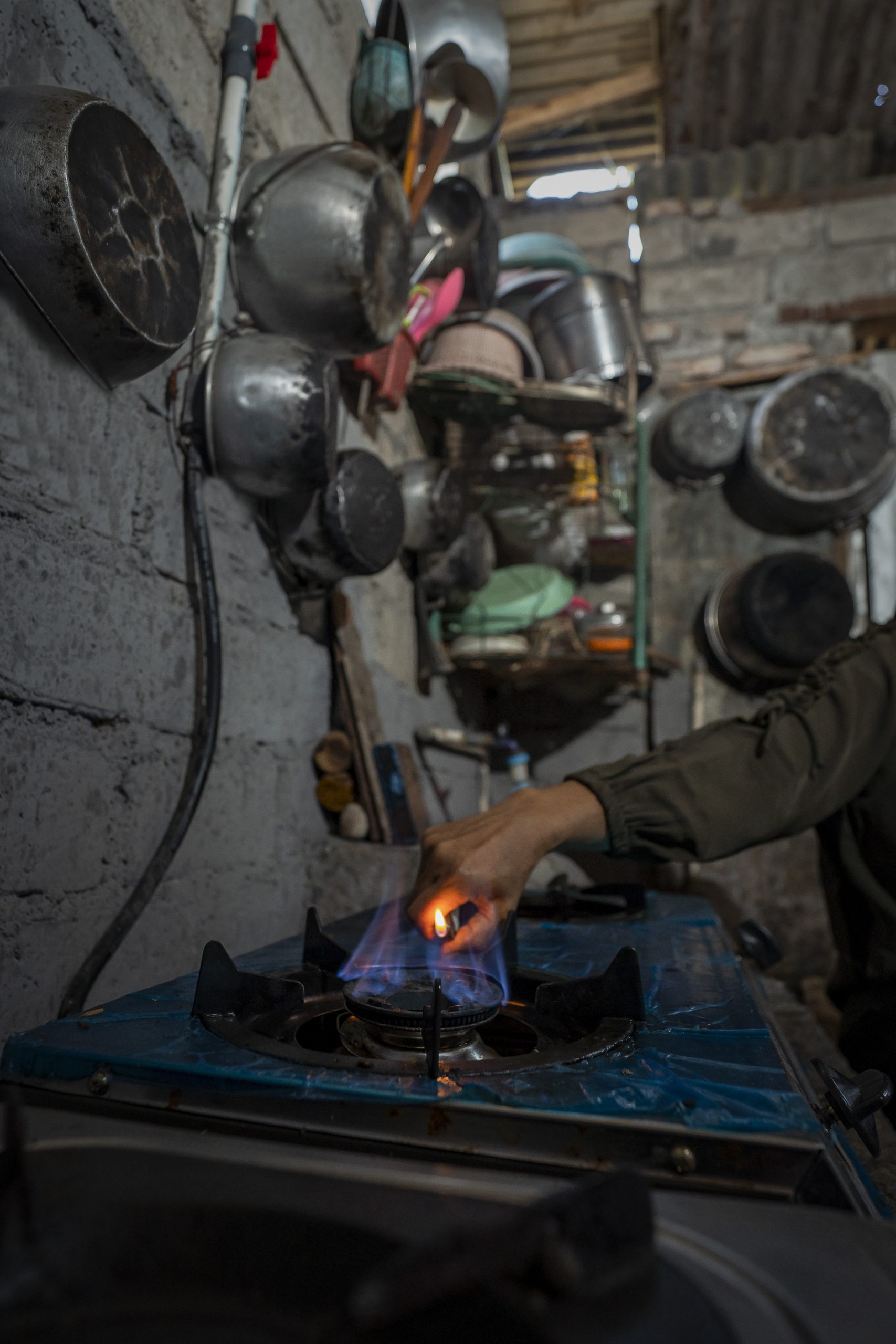
Geopolitical tensions between the United States–Israel and Iran in 2026 have once again exposed the fragility of the global energy system. Escalations in the Middle East, particularly around the Strait of Hormuz, have disrupted one of the world’s most critical oil supply routes—upon which many countries, including Indonesia, heavily depend. This crisis is not merely a global issue; it is a real and immediate threat, with impacts felt all the way down to the grassroots level.
Indonesia’s reliance on imported energy makes it highly vulnerable to global oil price volatility. When oil prices rise, energy costs follow—and ultimately, it is communities who bear the greatest burden.
The energy crisis does not stand alone; it is deeply intertwined with economic resilience. As energy costs increase, purchasing power declines, small businesses come under pressure, and household stability weakens. In this situation, grassroots communities are always the most vulnerable.
This reality highlights a fundamental issue: an energy system dependent on imports and fossil fuels is inherently fragile in the face of global dynamics. As long as this dependency persists, every crisis abroad will continue to affect households across Indonesia. Yet, there is also hope—solutions do not have to come solely from large-scale systems; they can grow from the ground up.
For more than a decade, Rumah Energi has been working alongside communities to build independent and sustainable energy systems. In livestock communities, animal waste that was once considered a problem is now transformed into biogas for daily cooking needs. This not only reduces dependence on LPG but also lowers household expenses while producing organic fertilizer for agriculture.
In areas with limited access to electricity, solar energy has opened new pathways for communities. With locally managed systems, energy is no longer entirely dependent on external supply chains. Other renewable sources such as micro-hydro and biomass also show strong potential when developed in alignment with local contexts.
Energy resilience is not only about supply availability, but about empowering communities to manage their own resources. The current global crisis should serve as a momentum to accelerate the transition toward a more just and decentralized energy system.In doing so, the pathway toward a resilient Indonesia—one that is adaptive in both energy and food systems—can be realized, while responding to the global challenges we face today.
Written by: Fauzan Ramadhan
A resilient energy future starts with empowered communities. Support the journey toward an Empowered Indonesia through clean energy and community-driven solutions by contributing through Rumah Energi’s Donation page—because meaningful change begins with collective action.