
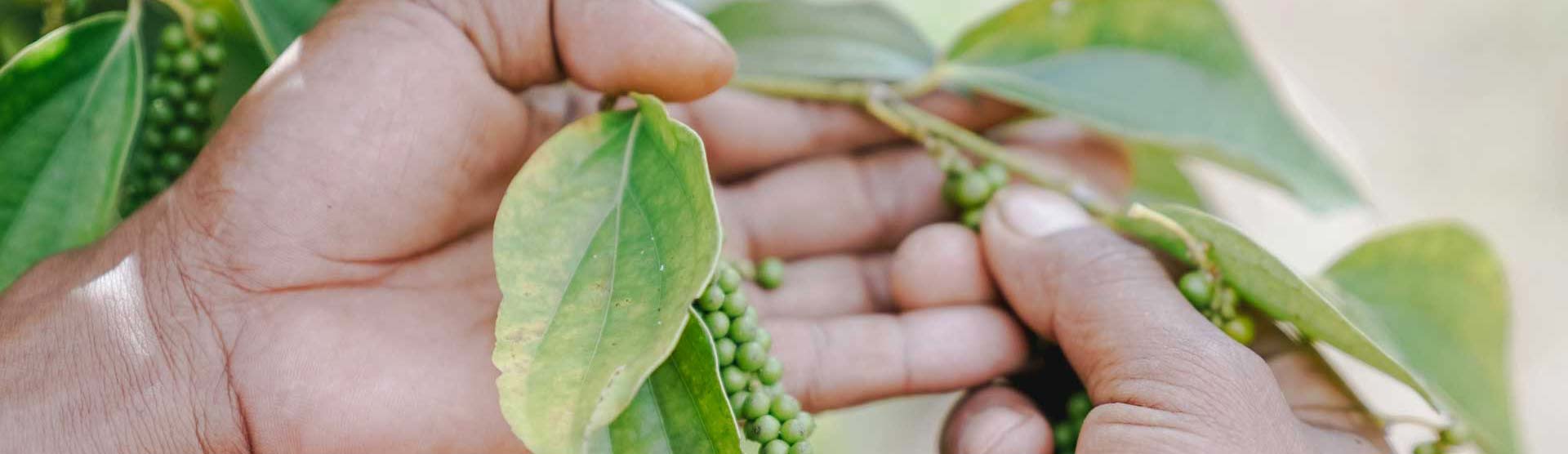
Plastic Crisis, Time to Move On?
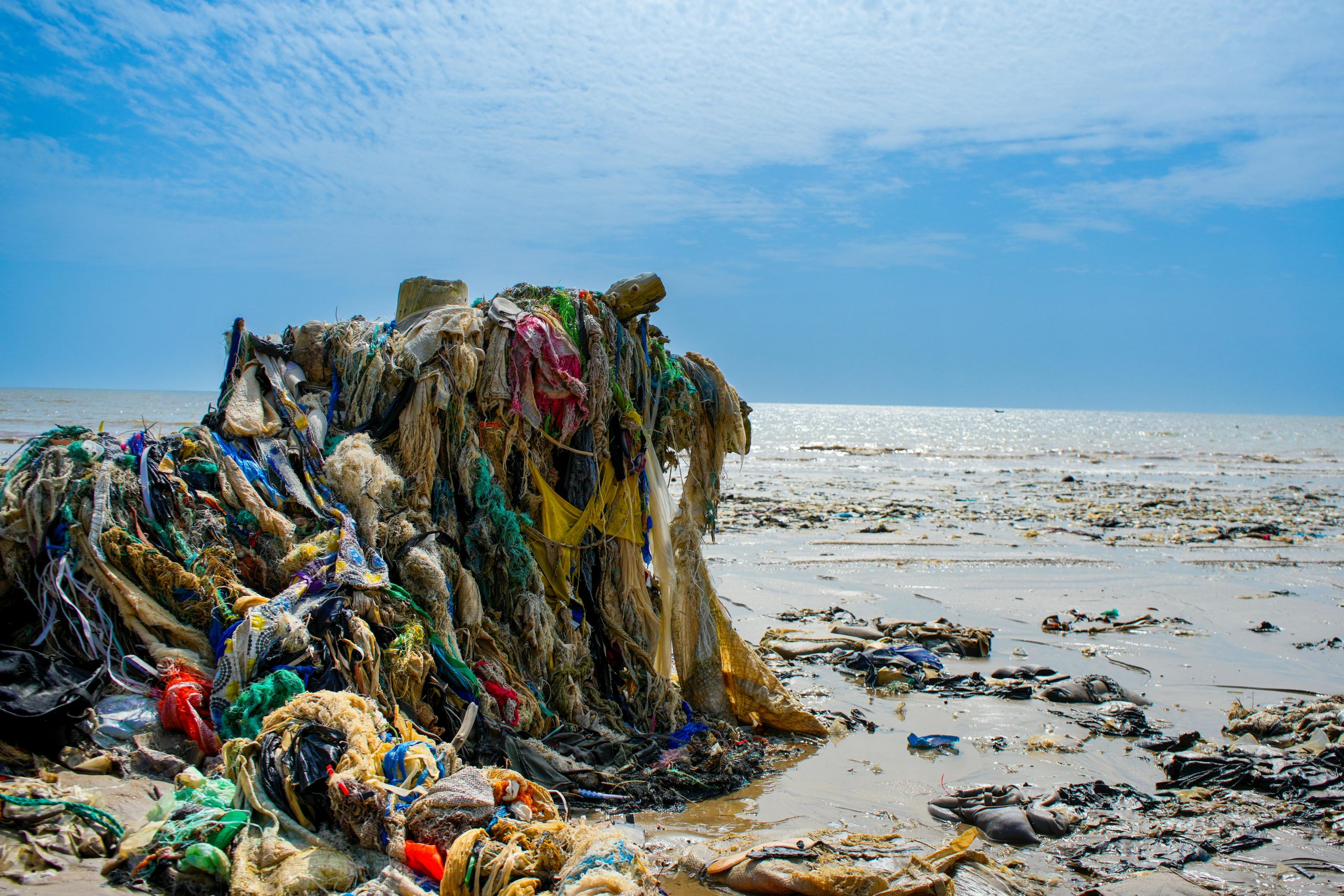
The recent surge in plastic prices is not merely a market fluctuation, but a direct impact of global geopolitical tensions. Conflicts in West Asia have disrupted the distribution of oil and its derivatives, triggering price increases across many countries, including Indonesia. As the national plastic industry remains heavily dependent on imported raw materials such as polyethylene from the region, even minor disruptions are quickly felt domestically.
The impact has spread rapidly across sectors. Small and medium enterprises (SMEs) are facing rising production costs, consumer goods prices are at risk of increasing, and business margins are under pressure. Plastic, once considered cheap and practical, is now becoming a cost burden. This situation highlights the weakness of the still-dominant linear consumption model—relying on imported raw materials, used once, and then discarded.
Yet behind this pressure lies an opportunity for transformation. Rising plastic prices can serve as momentum to accelerate the transition toward reuse systems and more environmentally friendly materials. Models such as refill systems, reusable packaging, and the development of bio-based materials are becoming increasingly relevant—not only from an environmental perspective, but also for economic resilience.
A tangible example can be seen in the work of the Bambu Kuning Community, which processes water hyacinth into value-added products. This initiative not only helps reduce aquatic waste, but also offers a more sustainable material alternative while creating income opportunities for local communities. It demonstrates that solutions to the plastic crisis do not always have to rely on large industries, but can grow from local innovation rooted in available resources.
This crisis serves as a reminder that resilience cannot be built on dependency. By promoting reuse systems and a circular economy, Indonesia can reduce its exposure to global shocks while paving the way toward a more self-reliant and sustainable future.
Written by: Fauzan Ramadhan
Change does not stop at reducing single-use plastic—it starts when we actively support solutions that empower communities. Support an Empowered Indonesia through real action by making a donation and helping create a more sustainable future for communities and the environment.