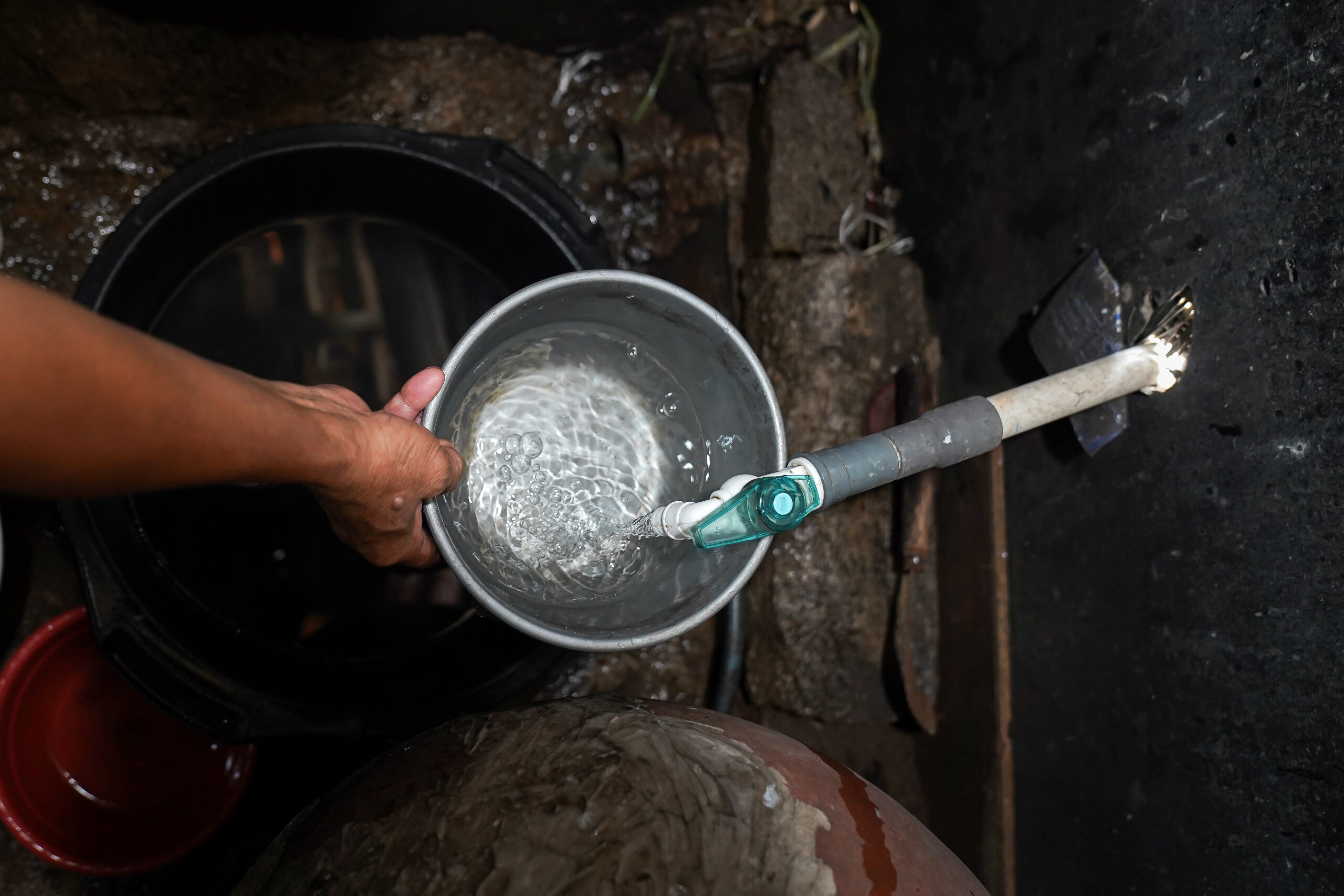
For Mrs. Emay Marliah, household responsibilities are part of a daily routine that never truly ends. Living with three family members, the 48-year-old woman, whose highest level of education is high school, spends much of her day carrying out domestic tasks such as washing clothes, doing the dishes, and ensuring that her household has enough water for its daily needs. Yet behind these seemingly ordinary activities, access to clean water had long been a challenge that added to her daily burden.
Before receiving support through the Rainwater Harvesting System (IPAH), she had to spend around IDR 200,000 every month to ensure her family had enough water for their daily needs. For a modest household, this expense was significant, especially because water is not a need that can simply be postponed. It has to be available every day, regardless of the family’s financial circumstances. Beyond the cost, the quality of the water they previously used was also not fully suitable for domestic needs. Washing clothes often required more effort, and the results were not always as clean as expected.
Things began to change when the IPAH support was introduced in her community. For some people, access to clean water may seem like an ordinary part of everyday life. But for Mrs. Emay, the presence of the IPAH brought meaningful changes to her daily life as a woman who spends much of her time managing household responsibilities.Today, washing clothes and doing the dishes have become much easier. Cleaner water has made household chores feel less burdensome, while also improving the quality of her laundry.
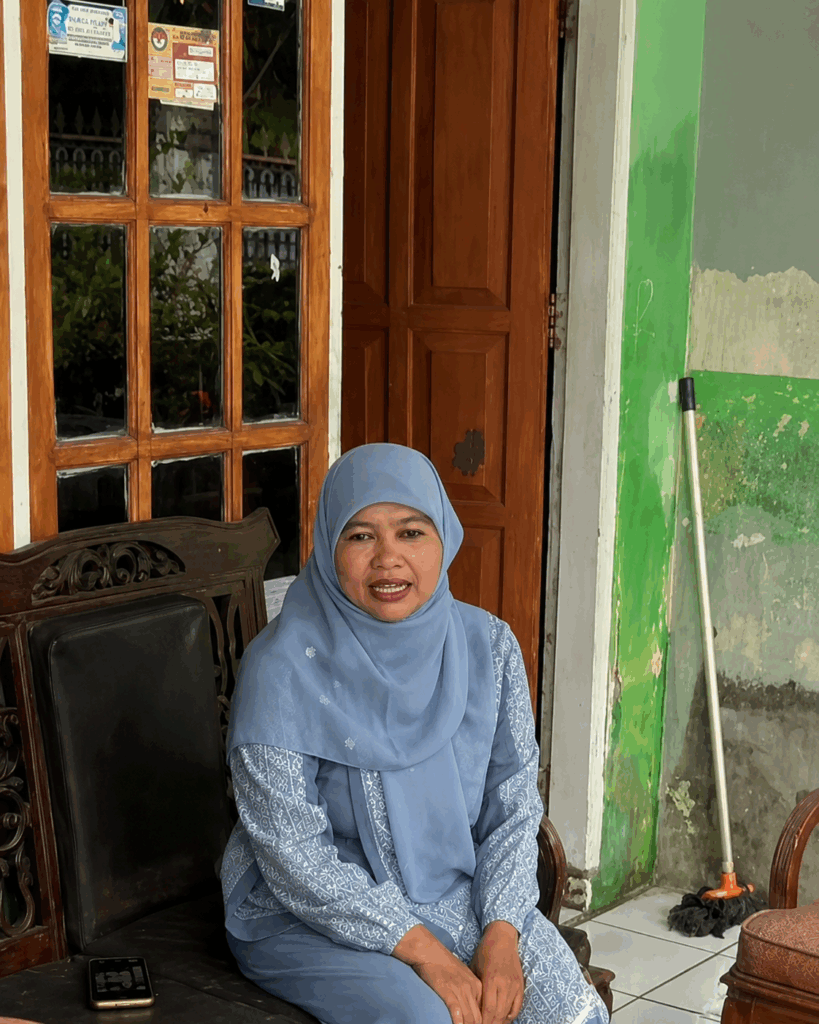
““Now, washing feels cleaner and much more comfortable,” is how she would describe the simple yet meaningful change she experiences every day.
The benefits do not stop there. Her household spending on water has also started to decrease. While she previously spent around IDR 200,000 each month, her monthly water expenses have now dropped to approximately IDR 160,000.
The savings may seem small to some. But for a household like Mrs. Emay’s, the difference still matters. It means there is more money that can be allocated to other needs.
This change shows that access to clean water is not only about infrastructure. It is also about how improvements in basic services can contribute to a better quality of life for women.
In many households, women are the ones most closely connected to daily water-related responsibilities. When access to water is difficult, women are often the ones who experience the burden most directly.
For Mrs. Emay, these changes may not seem extraordinary. Yet in her everyday life, many things now feel a little lighter. Household chores have become easier. Household expenses have decreased. And daily life has become more comfortable. Sometimes, meaningful change begins with something as simple—and as essential—as access to clean water.