
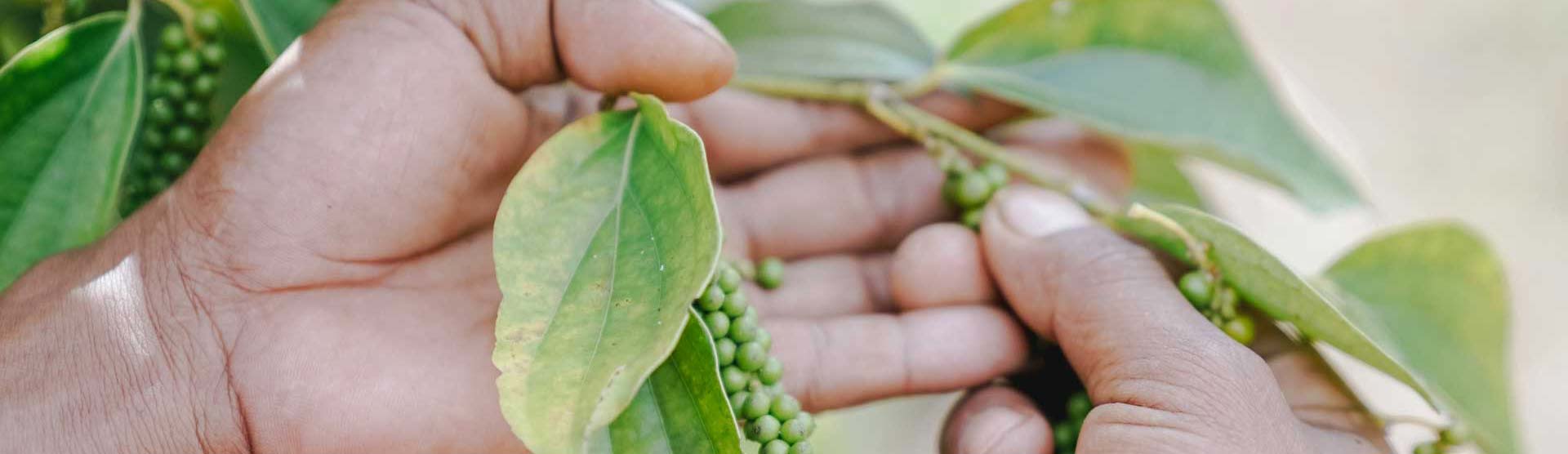
Maintaining Livestock Feed Resilience During the Dry Season
A Story of Change from the FRESH Program
Maintaining Livestock Feed Resilience During the Dry Season
A Story of Change from the FRESH Program
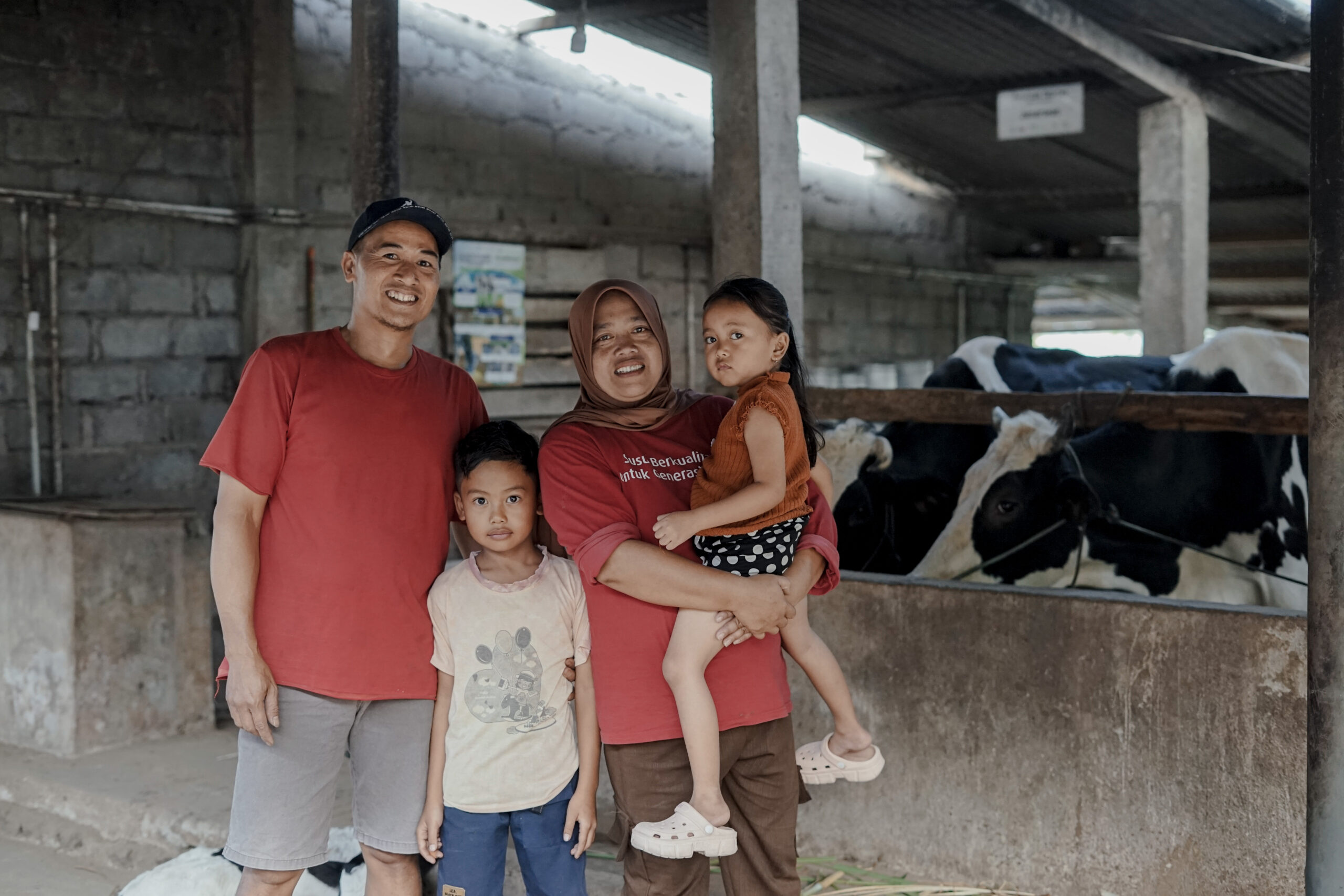
For dairy farmers, the dry season is more than just a change in weather. When rain becomes scarce and pastures begin to dry out, the availability of green fodder becomes a major challenge that can affect the sustainability of their farming businesses. Many farmers have to spend extra money purchasing grass or seek alternative feed sources to meet their livestock’s nutritional needs. Amid these challenges, however, Pak Jenar, a champion farmer from KJUB Puspetasari Cooperative, has developed his own strategy to ensure a reliable supply of livestock feed.
Together with his wife, Pak Jenar manages a dairy farm with 10 dairy cows and 7 calves. Facing a prolonged dry season amid the El Niño phenomenon, he does not rely entirely on external sources of grass. Long before the dry season begins, he prepares his own supply of green fodder by cultivating Gamma Umami grass, a variety introduced through the program as an innovation to strengthen livestock feed resilience. By dedicating 7,000 m² of land to fodder cultivation, Pak Jenar has secured a reliable feed source at a time when many other farmers struggle to obtain grass.
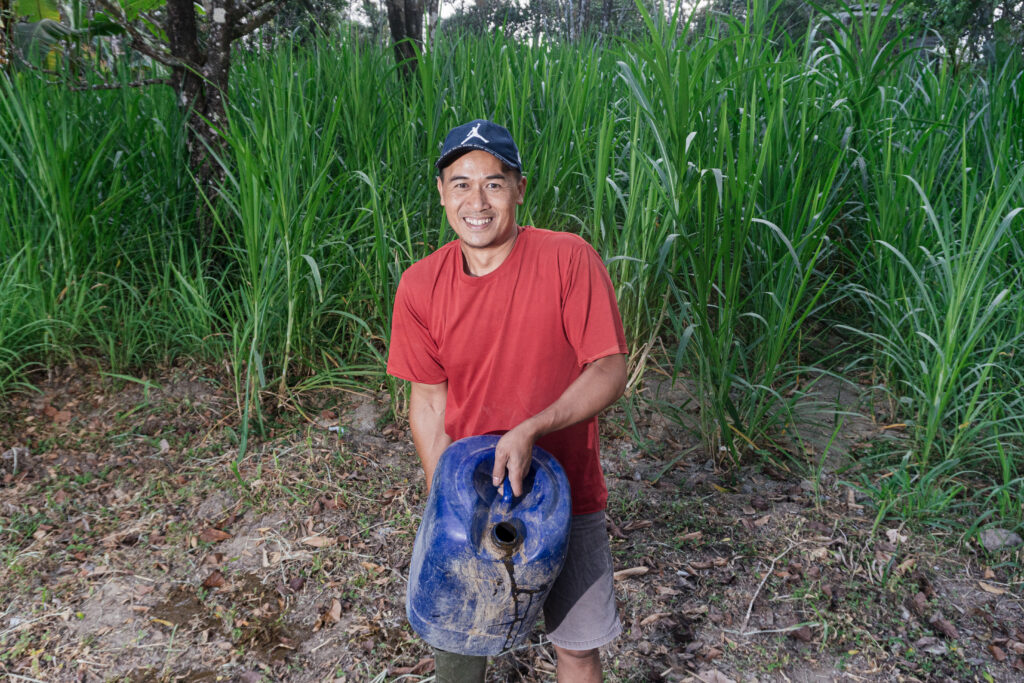
“Back then, whenever grass was difficult to find, I had to buy it. The costs added up to quite a lot. Now, even during the dry season, I can still rely on the grass from my own land.”
The difference is particularly evident when compared to his experience in previous years. When grass supplies became scarce, Pak Jenar sometimes had to purchase grass at a cost of approximately IDR 200,000 per day. As a more affordable alternative, he also used rice straw, which cost around IDR 1,200,000 per month. However, rice straw has limitations in terms of its nutritional content as a source of green fodder for livestock. This highlights that livestock feed challenges are not simply about ensuring animals have enough to eat, but also about securing a sustainable supply of quality fodder without continuously increasing production costs.
Today, Gamma Umami grass helps Pak Jenar maintain a steady supply of green fodder throughout the prolonged dry season. He uses approximately six bundles of grass per day to meet his livestock’s needs during this period. Having grass available on his own land means he no longer needs to purchase additional supplies, as he had to do in previous years. During the rainy season, when grass grows more abundantly, the availability of fodder reserves also allows him to provide larger quantities of feed.
For Pak Jenar, Gamma Umami grass is more than just an additional source of livestock feed. It is an essential part of his family’s efforts to sustain their dairy farming business. His story shows that building farmers’ resilience to climate change does not always begin with major interventions. It can start with the decision to grow their own fodder, make better use of available resources, and manage their farming activities in a more integrated way. When the dry season arrives and grass becomes increasingly difficult to find elsewhere, the preparations made in advance become an important safeguard in ensuring that livestock feed needs continue to be met.