

Women’s Voices and Leadership in the Energy Sector Deserve Space in Decision-Making
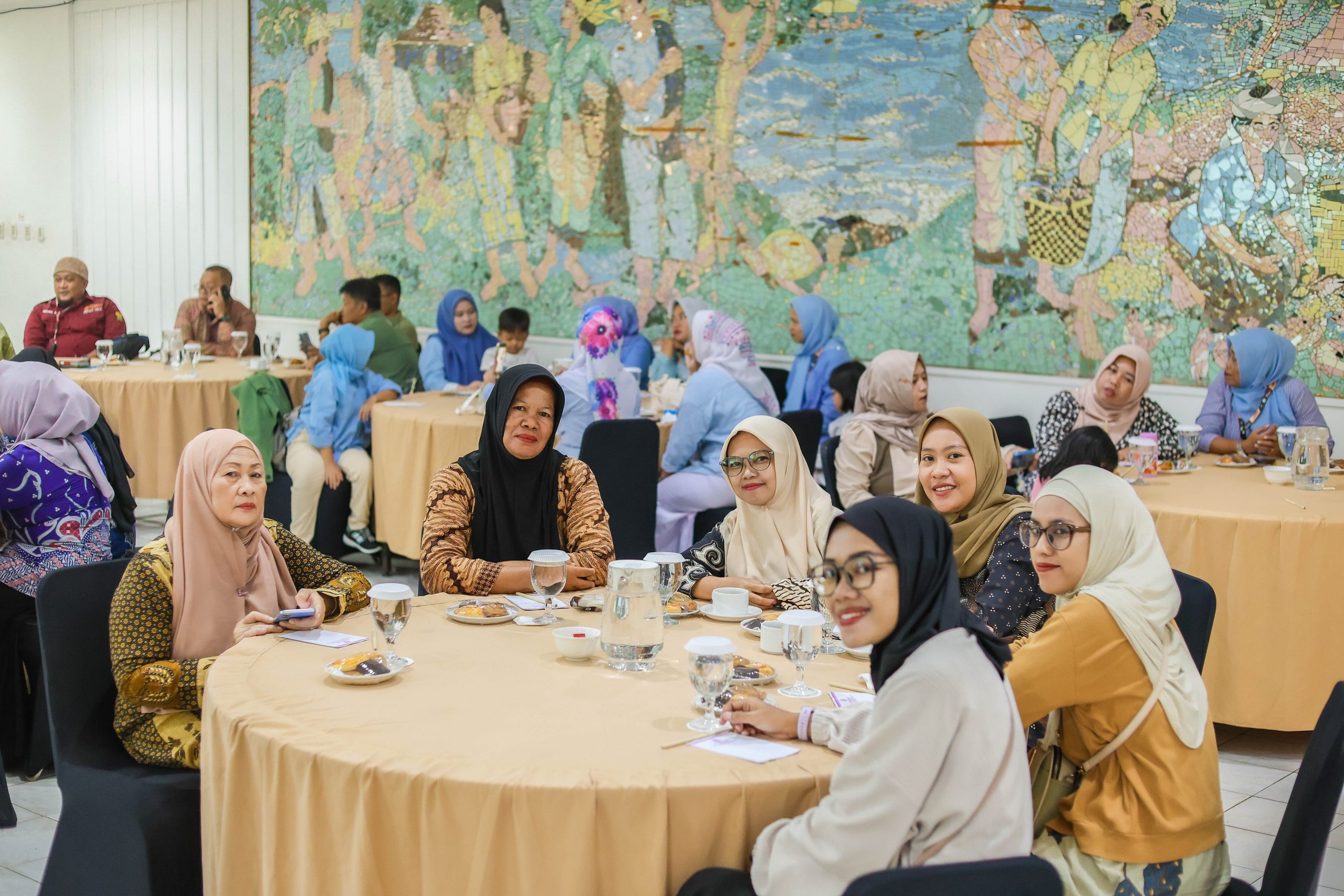
As part of efforts to strengthen women’s roles in the energy transition, Rumah Energi held a workshop titled “Women’s Roles and Leadership in Advocating for a Just Energy Transition” in Palabuhanratu, Sukabumi Regency. Amid the increasingly urgent push for energy transformation, this workshop served as an important forum to promote gender equality in energy-related decision-making while providing women with space to strengthen their leadership and advocacy capacity at the local level.
The gender gap in the energy sector remains highly visible. According to data from the International Energy Agency (IEA) and the OECD, women hold only around 14% of senior managerial roles in energy companies globally. In the utilities sector, the proportion is slightly higher—around 17% to 20%—but still far from balanced representation. In the renewable energy sector, IRENA reports that women make up roughly 32% of full-time positions, yet only about 19% of senior management roles. Meanwhile, in the ASEAN context, women’s participation in energy leadership remains very limited: only about 8% of the energy sector workforce in ASEAN consists of women, according to the ASEAN Centre for Energy.
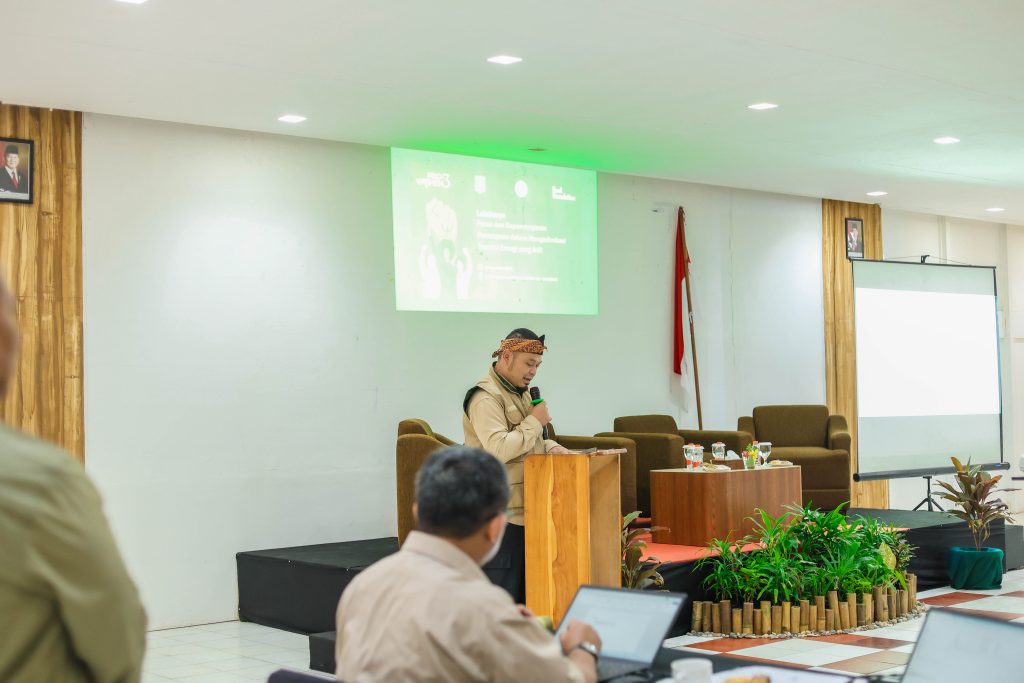
The workshop was opened by Ms. Hernety, representing Rumah Energi, and Andriyansyah Subandi, S.Tp., M.Si., Secretary of the Sukabumi Regency Village Community Empowerment Office (DPMD). In his remarks, Andriyansyah emphasized the importance of involving women in energy advocacy—not only as a matter of equality, but as a strategic necessity for village development. “Women are powerful community mobilizers, innovators in household economies, guardians of environmental sustainability, and informal leaders at the village level. Through women’s groups, village LKD-PKK, MSMEs, and local communities, women can become a collective force in driving more inclusive and equitable policies,” he explained.
Andriyansyah also underscored the need for village governments to integrate clean energy programs into village planning and budgeting documents—RPJMDes, RKPDes, and APBDes—including lighting facilities, energy-efficient technologies, and the development of communal renewable energy. Villages, he added, can leverage village funds and explore partnerships with CSR programs, PLN, donor institutions, and universities to support clean energy initiatives in their respective areas.
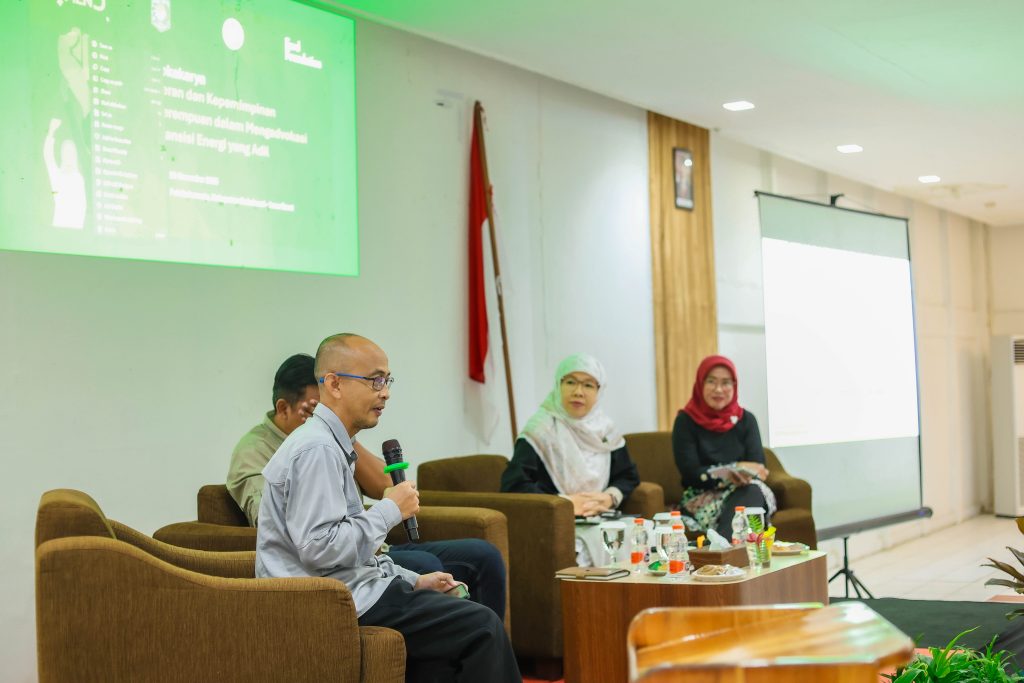
The workshop also featured Dece Nurhadiansyah, Head of the Division for Women’s Quality of Life and Gender Mainstreaming at the Sukabumi Regency Office for Women’s Empowerment and Child Protection (DP3A), who shared perspectives on policy, leadership, and inclusive development, highlighting the strategic role of women as agents of change. The panel session also included Krisna Wijaya representing Rumah Energi and Evi Lindiana from PEKKA Sukabumi, both of whom shared best practices from previous programs that successfully promoted women’s leadership.
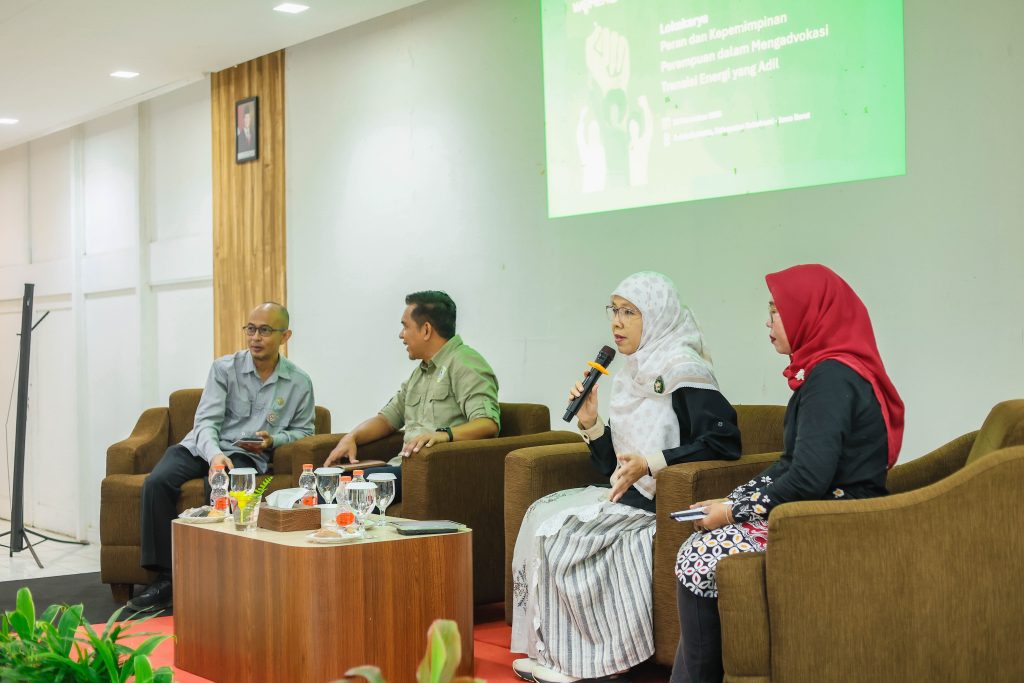
Moderated by Gustina, Project Manager of Pro Women 3 at Rumah Energi, the panel discussion explored systemic challenges that hinder women’s participation and leadership in the energy sector—from gender stereotypes and limited access to clean technologies, to low levels of energy literacy among women in local communities. Participants were then divided into thematic discussion groups to formulate concrete advocacy strategies for clean energy at the village level. Together, they developed action plans that include strengthening women’s networks, improving energy literacy, and advocating for gender-responsive clean energy programs in villages.
Participants expressed their commitment to strengthening women’s roles in energy advocacy, fostering cross-sector collaboration, and creating more inclusive leadership spaces. This commitment lays the foundation for long-term cooperation between local governments, women’s communities, civil society organizations, and the energy sector to realize an energy transition that is not only clean, but also fair and equitable.
As the organizer, Rumah Energi hopes that this workshop will significantly increase the number of women who are not only involved in energy programs but also take on strategic leadership roles. The expectation is that this effort will drive structural changes in both local and national energy systems to become more inclusive and responsive to women’s needs.
Written by: Tim Proyek Pro-Women
Edited by: Fauzan Ramadhan