From Cooperatives to Farmers: FRESH 2026 Program Cultivates Dairy Sector Self-Reliance
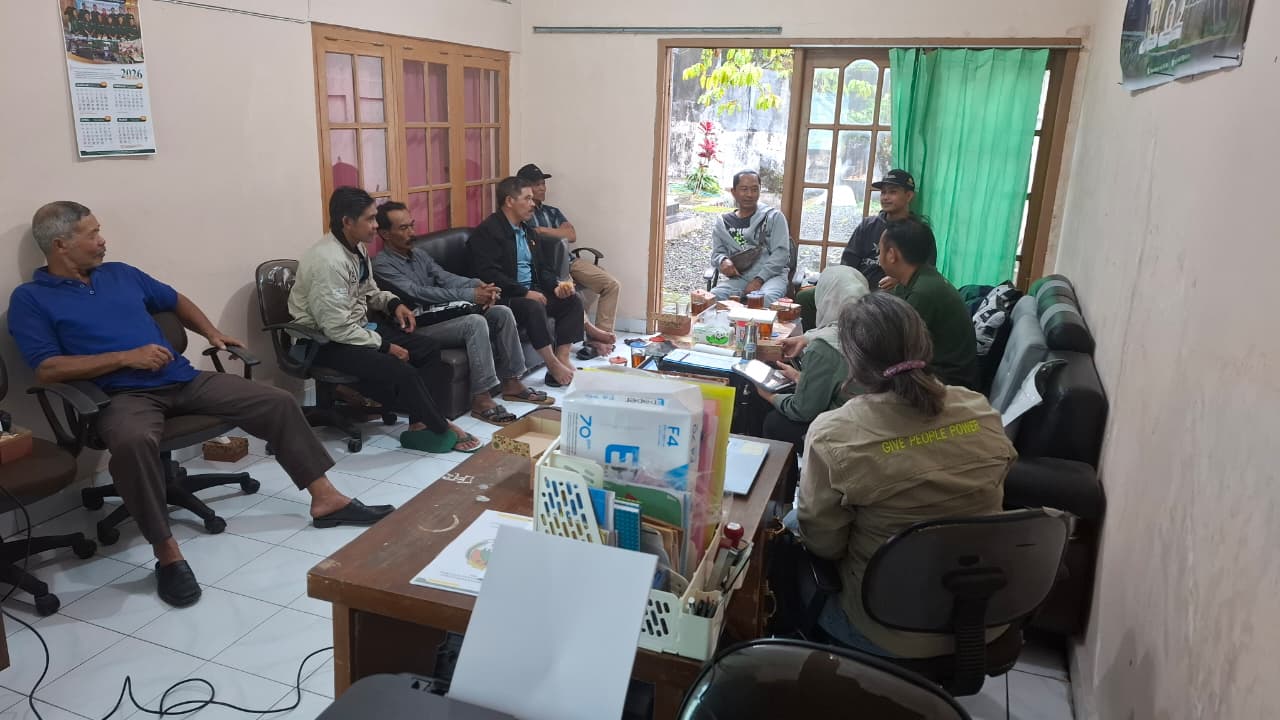
Efforts to build an empowered Indonesia do not always begin with major policies at the national level. Often, they grow from cooperative meeting rooms—spaces where managers and board members gather to shape strategies and determine the future of thousands of smallholder farmers. This spirit was reflected in the series of FRESH 2026 Program Socialization activities conducted by Rumah Energi in collaboration with its cooperative partners at the beginning of the year.
SFrom 28 January to 3 February 2026, the FRESH 2026 Program socialization was carried out across several dairy cooperatives. Offline sessions were held at SAMESTA Cooperative and UPP Kaliurang Cooperative on 28 January, followed by Puspetasari Cooperative on 30 January. Meanwhile, online sessions took place with Setia Kawan Pasuruan Cooperative on 2 February and Rukun Santoso Blitar Cooperative on 3 February. These activities were attended by cooperative board members and management teams, who play a key role as change drivers at the grassroots level.
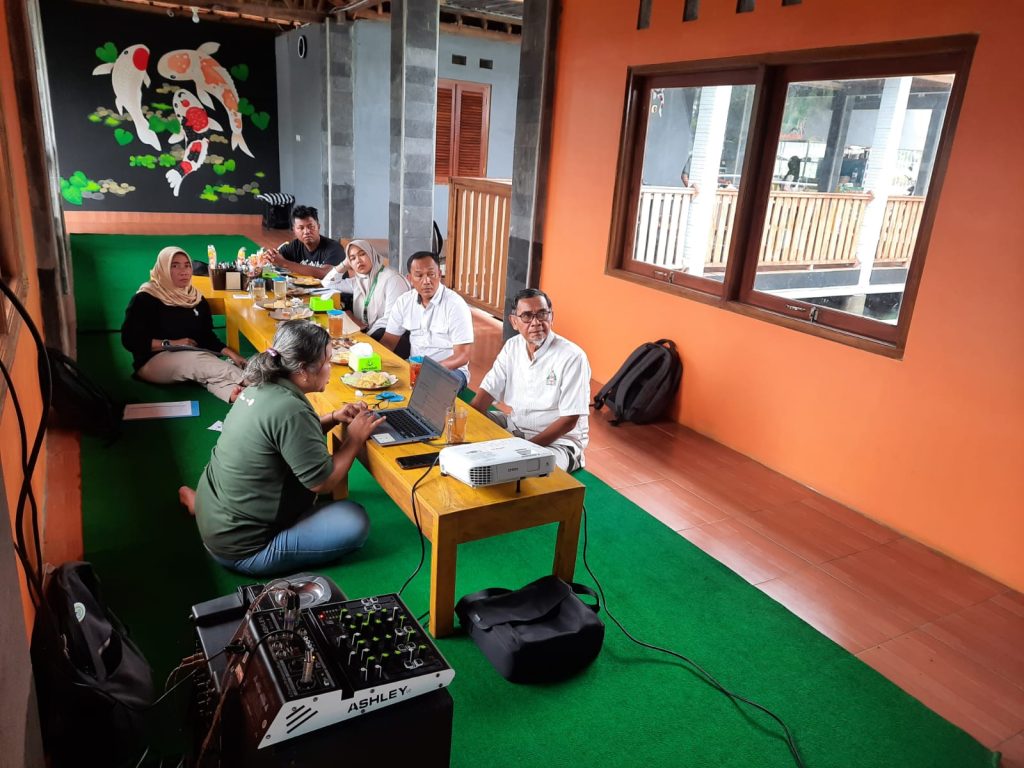
The socialization sessions began with a presentation of the FRESH 2026 Program by the Project Manager. The year 2026 marks an important phase, as the program focuses on four interconnected strategic priorities:
- Strengthening Farmers Champions as agents of change at the farmer level
- Following up on the implementation of Good Dairy Farming Practices (GDFP) to ensure learning translates into action
- Conducting regular milk quality checks to maintain and improve quality
- Enhancing cooperative business services to ensure cooperatives remain relevant and competitive
This approach emphasizes that the development of the dairy sector cannot rely solely on increasing production. It must also address human capacity, product quality, and institutional strengthening simultaneously. Responses from the cooperatives demonstrated strong alignment with their respective development directions, and several promising initiatives emerged during the discussions.
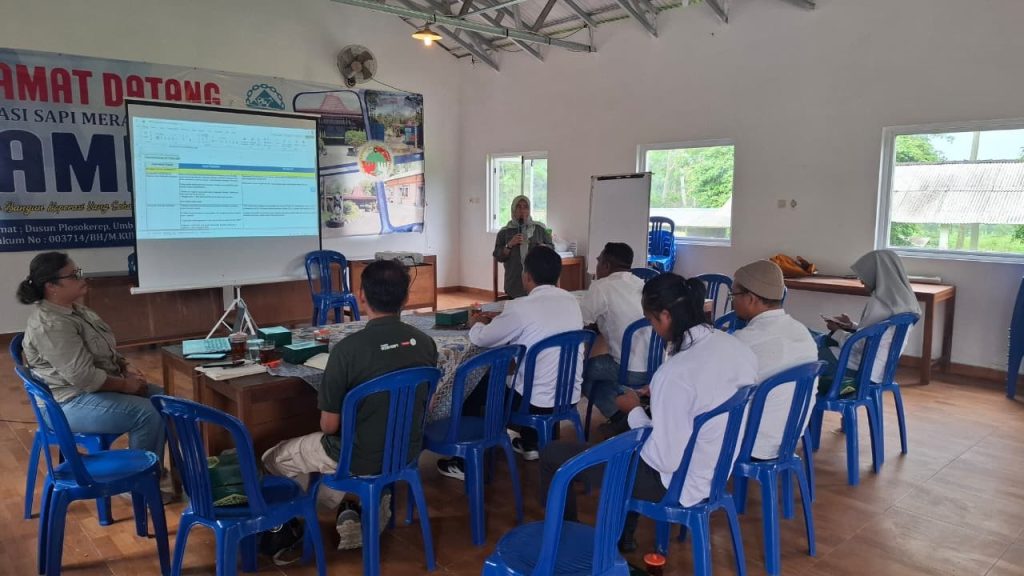
For instance, SAMESTA Cooperative set a target to reduce germ levels to below one million, a critical step toward improving milk quality. In addition, the cooperative plans to position Farmers Champions as cooperative cadres, reinforcing farmer leadership within the organization. UPP Kaliurang Cooperative, meanwhile, initiated the development of cooperative-based animal health services, addressing farmers’ need for more accessible, affordable, and sustainable support.
At Puspetasari Cooperative, the focus is on conducting trials of concentrate feed. The cooperative already produces its own dairy cattle concentrate and is supported by field staff actively engaged in farmer empowerment—an important asset for improving the efficiency of members’ livestock enterprises. Cooperatives in East Java are also prioritizing increased silage sales for members and opening learning opportunities on closed-house barn innovations, as part of efforts to adapt to climate challenges and improve production efficiency.
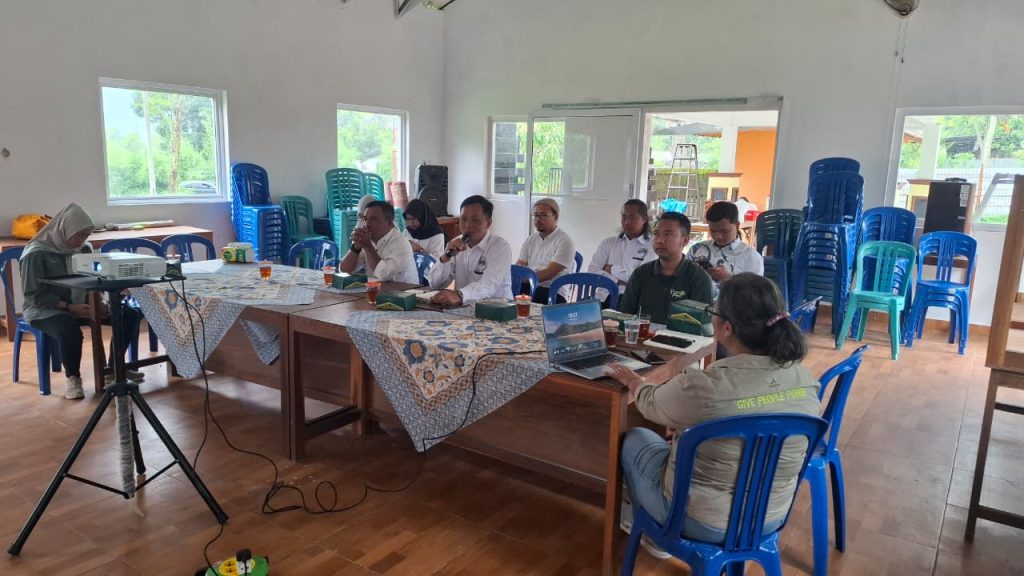
This series of FRESH 2026 Program socialization activities underscores that the vision of Indonesia Berdaya is more than just a slogan. It is realized through strengthening cooperatives, enhancing farmers’ capacities, and fostering equitable collaboration between programs and communities. By positioning cooperatives as hubs of change, the FRESH 2026 Program promotes farmer self-reliance, improves the quality of local dairy products, and strengthens economic resilience at the village level. It is here that Indonesia Berdaya finds its true meaning—when farmers are equipped with knowledge, cooperatives are supported by strong systems, and communities are empowered to shape their own future.
Written by: Tim FRESH
Edited by: Fauzan Ramadhan