
Toward 100 GW of Solar Power: Cooperatives Poised to Drive Indonesia’s Energy Transition.
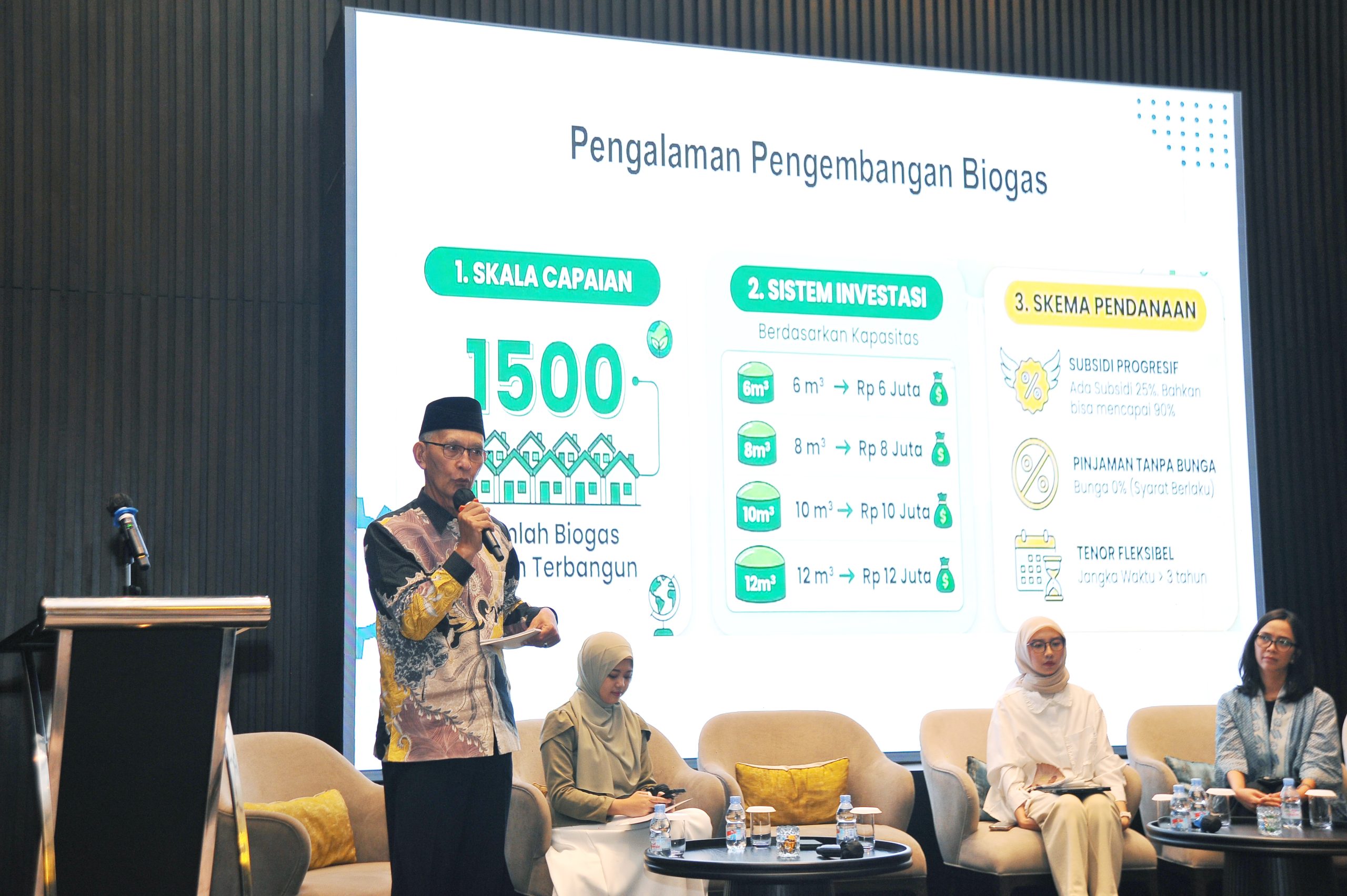
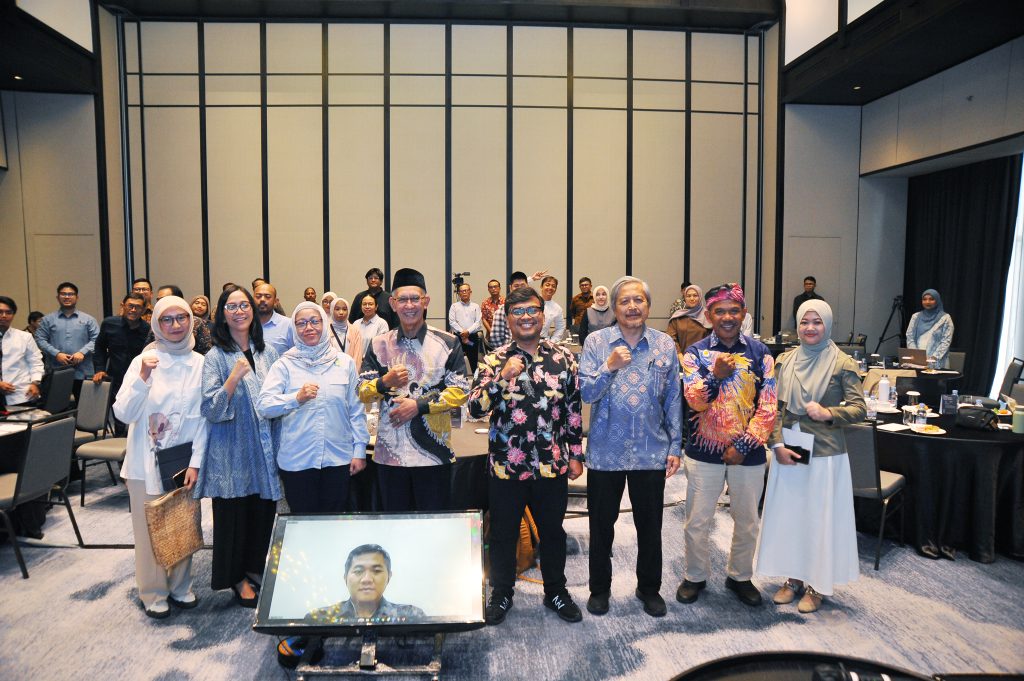
Indonesia’s ambitious target of developing 100 GW of solar power capacity presents a major opportunity for cooperatives to become key drivers of a community-based energy transition. This was the central theme of the RISE Series — Readiness of Indonesia Solar Energy Series (RISE), organized by Rumah Energi on June 3, 2026. Through its Green Cooperative initiative, Rumah Energi promotes cooperatives not only as energy users but also as managers and developers of renewable energy systems that can strengthen local economic productivity. As emphasized by Rumah Energi Executive Director Sumanda Tondang, this momentum should be leveraged to position cooperatives at the forefront of change. “Let us turn field evidence into real investment action. Together, we can realize an inclusive, people-centered national energy sovereignty.”
During the workshop, Rumah Energi presented findings from field studies conducted in three locations: Blanakan (West Java), Pasuruan (East Java), and Gili Genting (Madura). The study found that cooperative-based solar power projects have strong potential, particularly when integrated with productive economic activities such as cold storage facilities, ice production, and agricultural or fisheries processing. Among the three sites, Gili Genting demonstrated the strongest financial viability, with an Internal Rate of Return (IRR) of 17.46 percent, while projects in Blanakan and Pasuruan would require blended finance mechanisms to become financially attractive. These findings reinforce the idea that solar energy can serve not only as a source of electricity but also as an enabler of local economic development.
The analysis further revealed that stand-alone solar projects would face long payback periods of more than 20 years. However, when combined with productive business activities and supported by grants covering approximately 30 percent of capital expenditure, the payback period could be reduced to just 3–5 years.
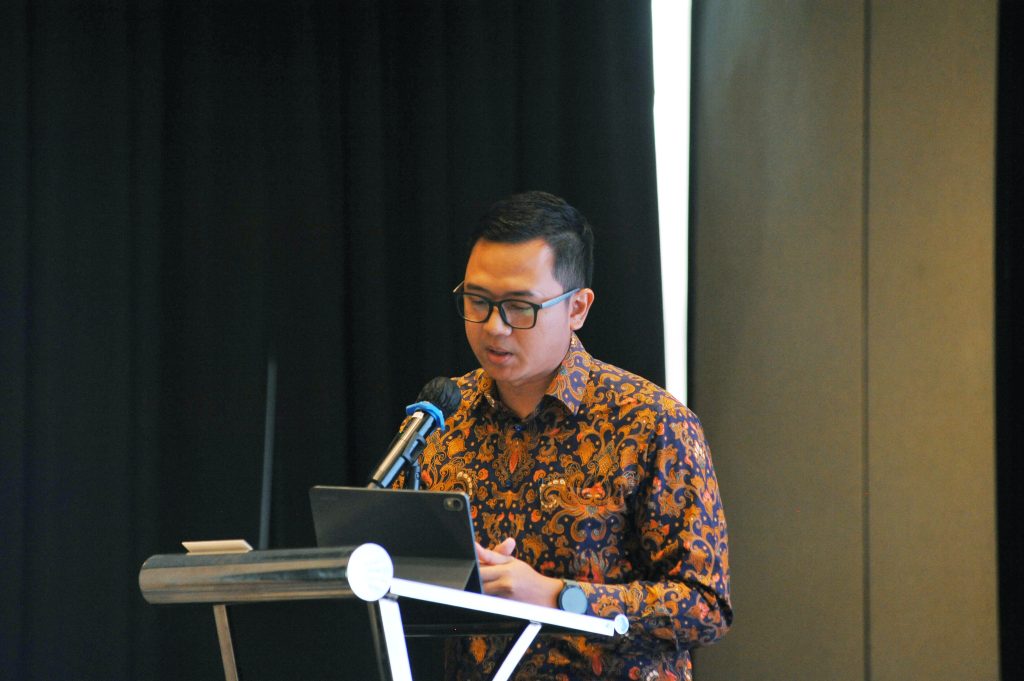
As highlighted by the Rumah Energi technical team, “If we view solar PV as a stand-alone business, we may face payback periods of 21–22 years. But when it is integrated with productive businesses and supported by guaranteed off takers, the results become significantly more attractive.” This integrated model also generates broader social and environmental benefits, including carbon emission reductions, job creation, and improved livelihoods for tens of thousands of cooperative members.
Despite its promising potential, workshop participants agreed that the greatest challenges lie not in the technology itself, but in financing and institutional readiness. Cooperative governance, access to capital, bankability requirements, technical capacity, and the ability to navigate a complex financing ecosystem remain significant barriers. Representatives from PT SMI, LPDB-Koperasi, ANGIN Advisory, and the Ministry of Cooperatives emphasized the need for innovative financing mechanisms that can bridge the gap between cooperative needs and investor expectations.
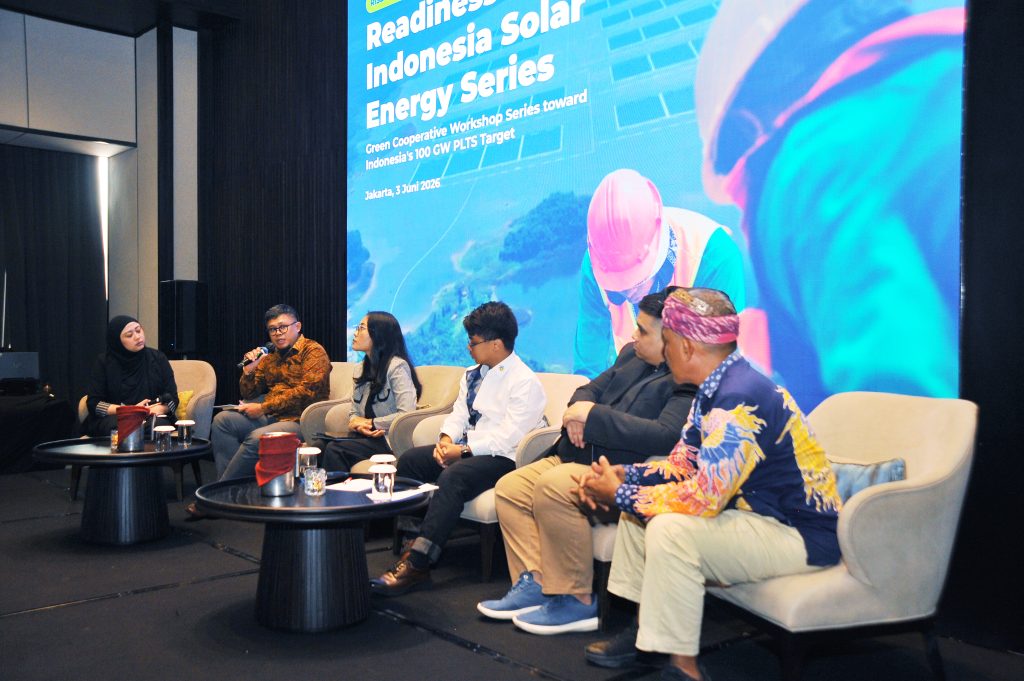
The discussion also underscored the importance of viewing energy as a catalyst for economic productivity rather than merely a source of electricity. Investments should therefore extend beyond solar infrastructure to include productive assets and business ecosystems that utilize the energy generated. Closing the workshop, stakeholders agreed that successful pilot projects will be essential to validate business models, build investor confidence, and enable replication across Indonesia. As one speaker noted, “The key is to start. We need pilot projects that work and can then be replicated elsewhere.” With strong collaboration among cooperatives, government institutions, investors, and technical partners, cooperative-based solar development has the potential to become a cornerstone of Indonesia’s energy transition while driving inclusive rural economic growth.