
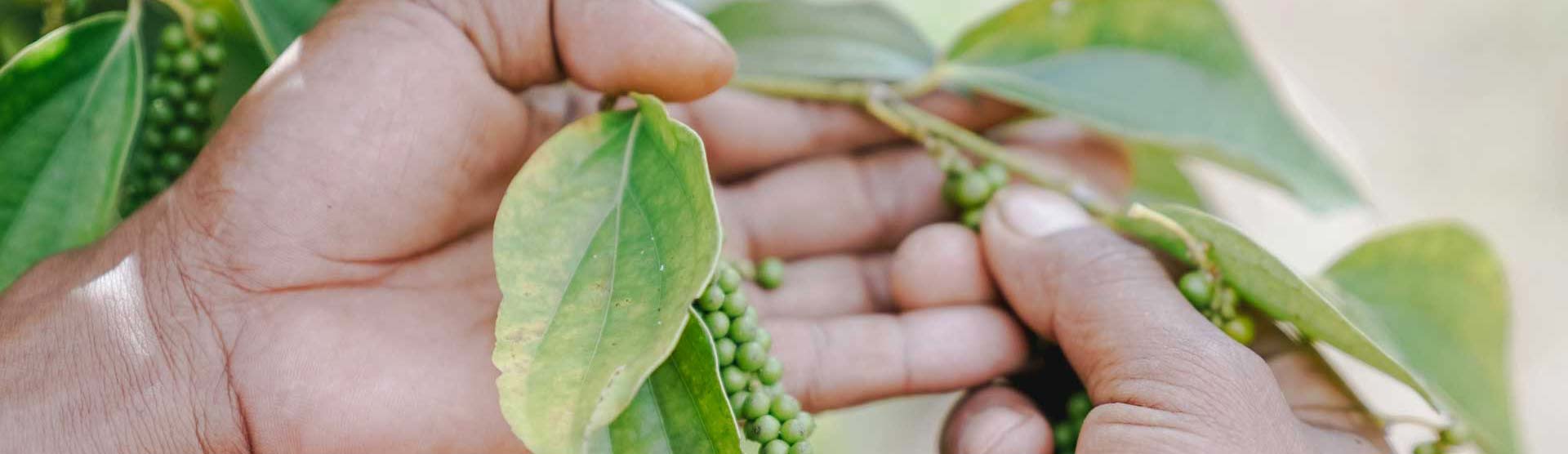
Promoting Climate-Smart Agriculture and Livestock Farming in Maniis
Climate change is increasingly affecting the lives and livelihoods of communities that depend on agriculture and livestock farming. In Maniis District, Purwakarta, these challenges are evident in dry farmland, limited irrigation water, and rising animal feed costs. Yet, local communities have access to various resources that can be put to good use, including water hyacinth, livestock manure, and corn crop residues.
To address these challenges, the Pro Women for Just Energy Transition program organized Climate-Smart Agriculture and Livestock Training on 28–29 September 2026 in Maniis. The training aimed to strengthen community capacity, particularly among women, to understand the impacts of climate change and adopt more adaptive agricultural and livestock practices by making use of locally available resources.
Belajar dari sumber daya di sekitar
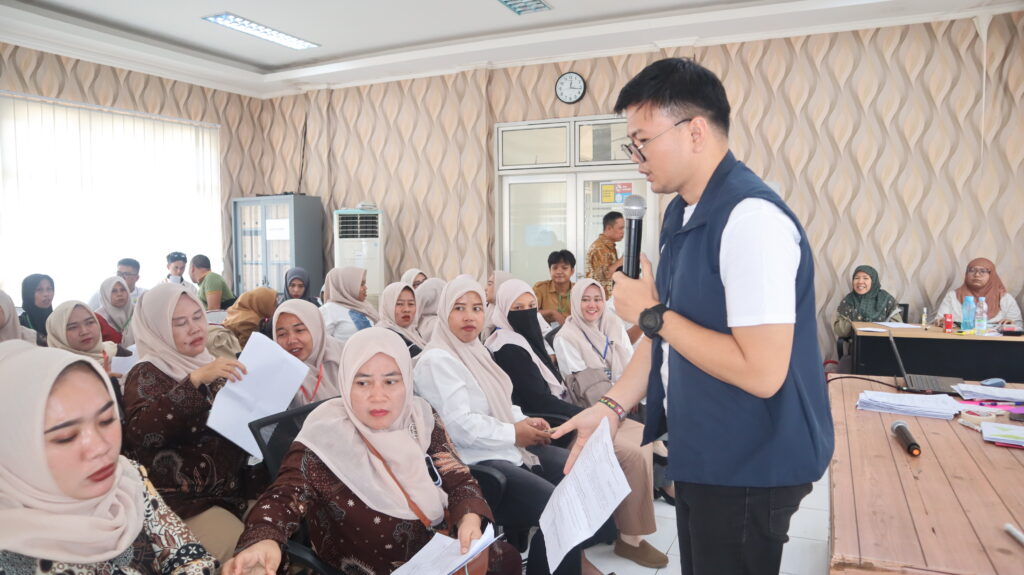
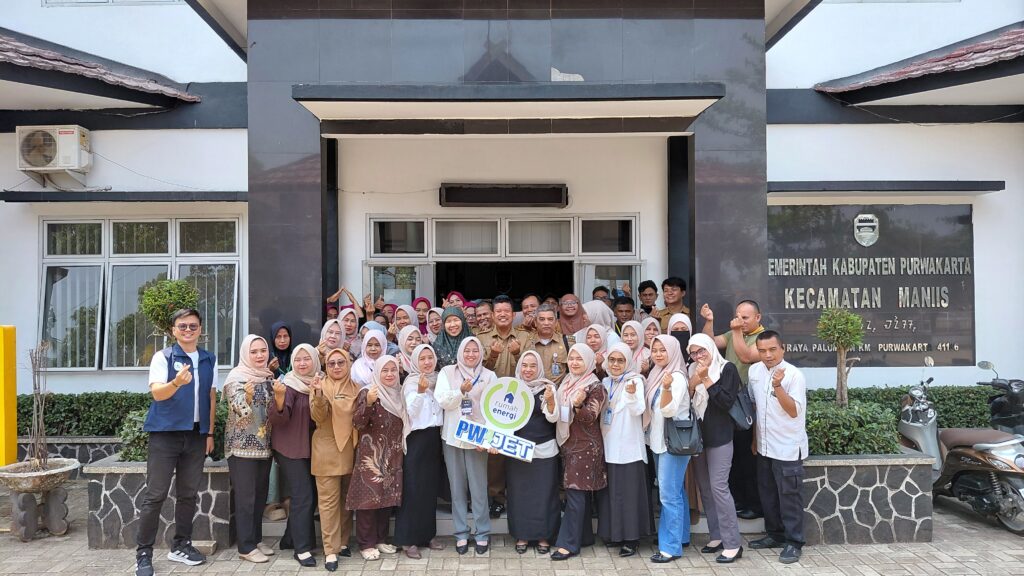
The training was attended by approximately 43 participants from four target villages, primarily members of Women Farmers Groups (Kelompok Wanita Tani or KWT) and women community facilitators known as PEKA. The sessions were lively and attracted interest from other local residents, particularly farmers and growers. Some residents even helped prepare materials for the practical sessions.
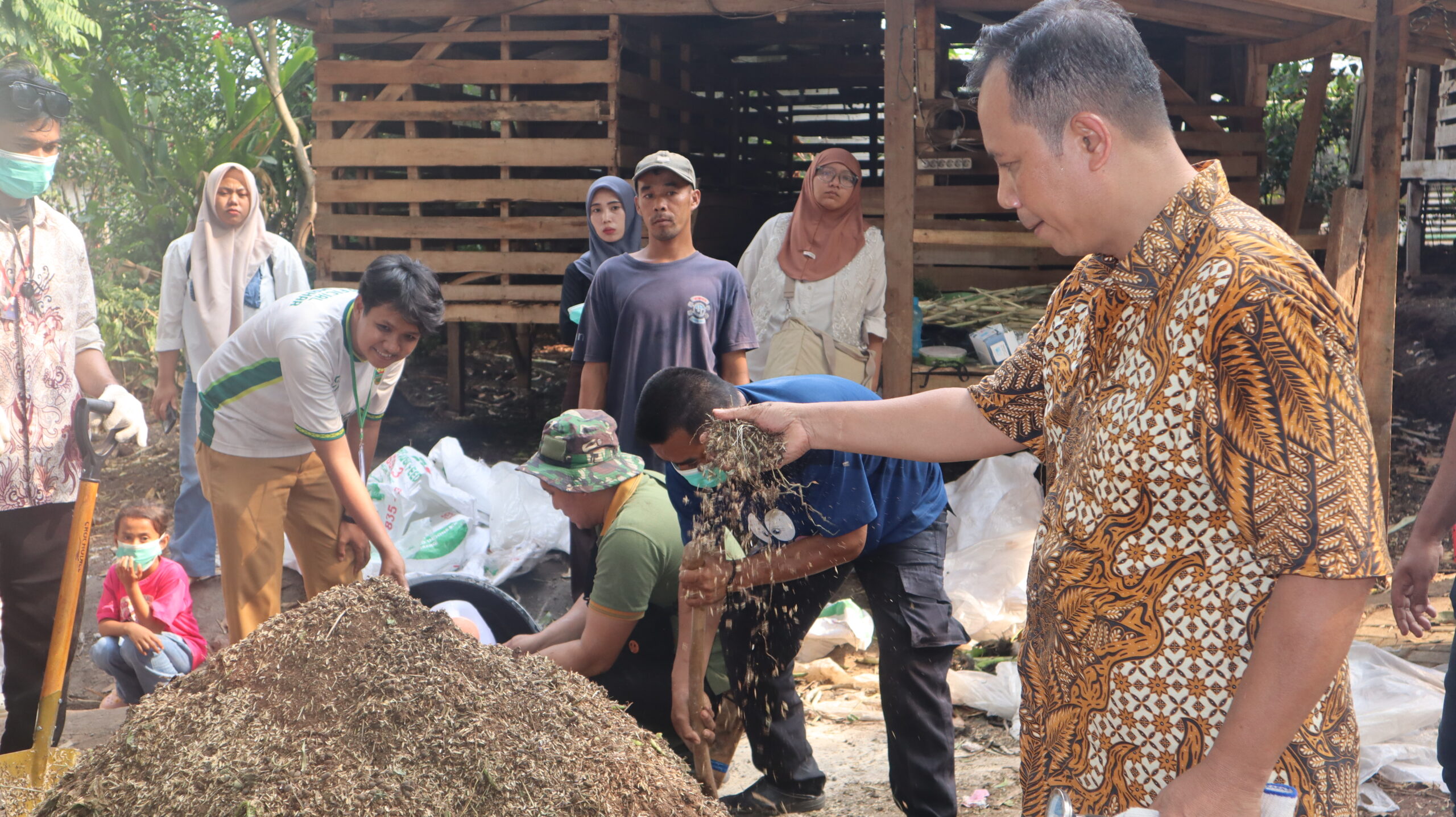
Participants learned about soil health, organic matter processing, the use of microorganisms and activators, waste management, and silage production from corn crop residues. These topics were followed by hands-on practice using water hyacinth from the Cirata Reservoir, livestock manure, and corn stalks and leaves as materials for compost and silage production.
The practical approach helped participants understand the connection between climate change and the challenges they face in their daily lives. One key lesson was the importance of soil health and organic matter in helping soil retain water, particularly during the dry season. Participants also began to recognize how materials readily available around their homes and farms could be processed into more useful agricultural inputs.
Creating Opportunities for Collaboration
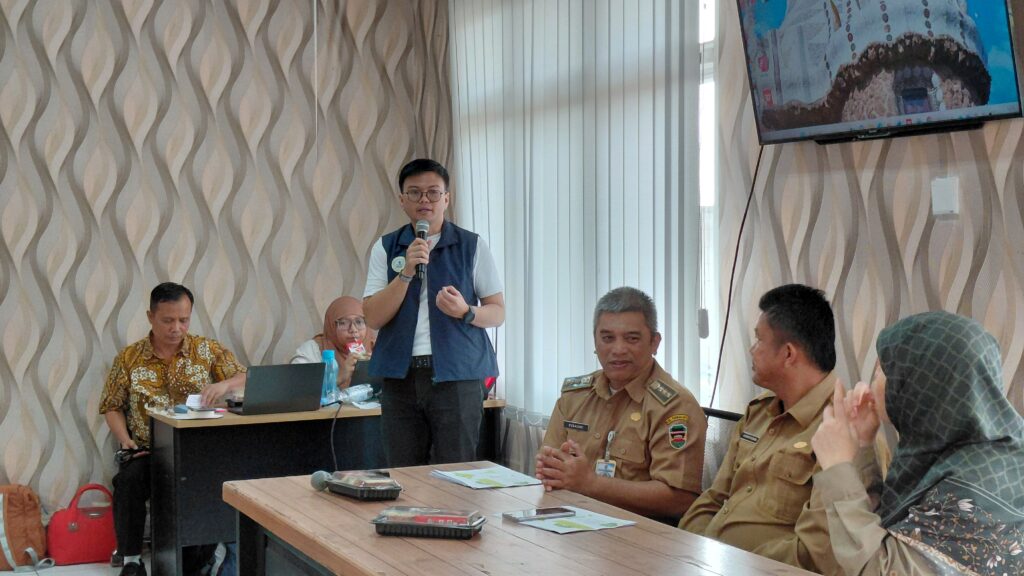
The training also connected community members with local government support. The Heads of the Food and Agriculture Agency and the Fisheries and Livestock Agency attended the sessions, alongside local agricultural extension officers. Participants also had opportunities to communicate directly with local government representatives and learn about potential access to animal health services.
This support is an important foundation for ensuring that the knowledge gained during the training can be put into practice through locally available services and ongoing assistance.
From a women’s empowerment perspective, KWT members and PEKA facilitators also play a strategic role in applying and sharing this knowledge within their households and communities. Strengthening their role is important given women’s close involvement in food management, crop cultivation, livestock care, household waste management, and family livelihoods.
From Training to Sustainable Practice
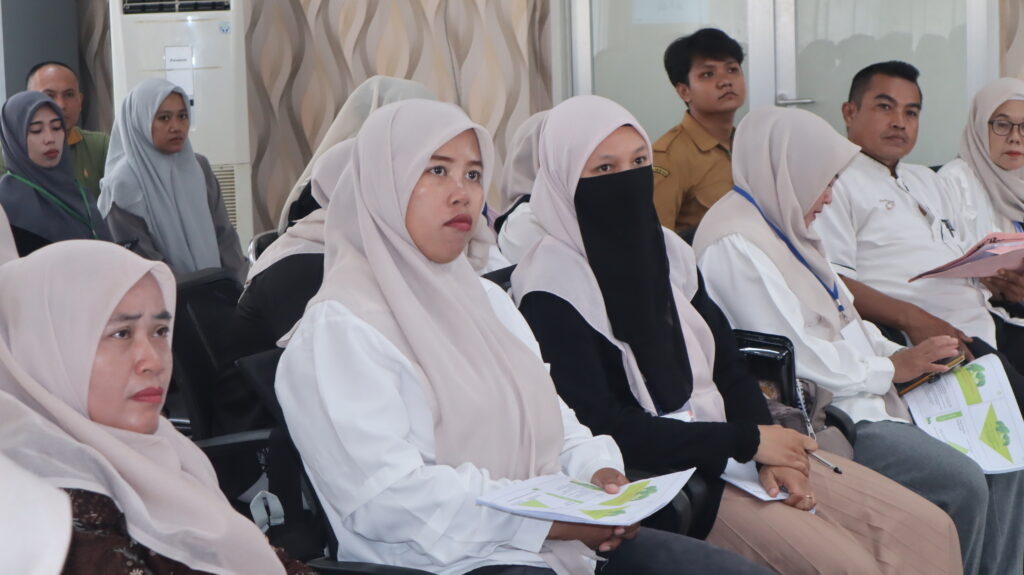
The two-day training marks an initial step. Most participants were still at an early stage of learning how to produce organic fertilizer, with only around four participants having prior experience. Changing existing practices therefore requires more than knowledge transfer; it also calls for repeated practice, ongoing assistance, and evidence of tangible results.
As a follow-up, the composting process will be monitored over approximately six weeks, while the silage produced during the training will also be monitored. Field teams and local agricultural extension officers will support participants as they practice independently and provide feedback when challenges arise.
Looking ahead, KWT groups and PEKA facilitators are expected to become local learning hubs for other groups and residents. With support from local government and technical stakeholders, the use of local resources could also develop into livelihood opportunities, such as organic fertilizer or silage production, once the groups have sufficient capacity and can consistently produce quality products.
The training is expected to mark the beginning of changes in community practices—from simply recognizing the challenges of climate change to developing solutions that respond to local conditions. With knowledge, continued assistance, and sustained collaboration, communities in Maniis can strengthen their capacity to build climate-resilient livelihoods.
Written by: Rangga Akbar Anggandara
Edited by: Fauzan Ramadhan