
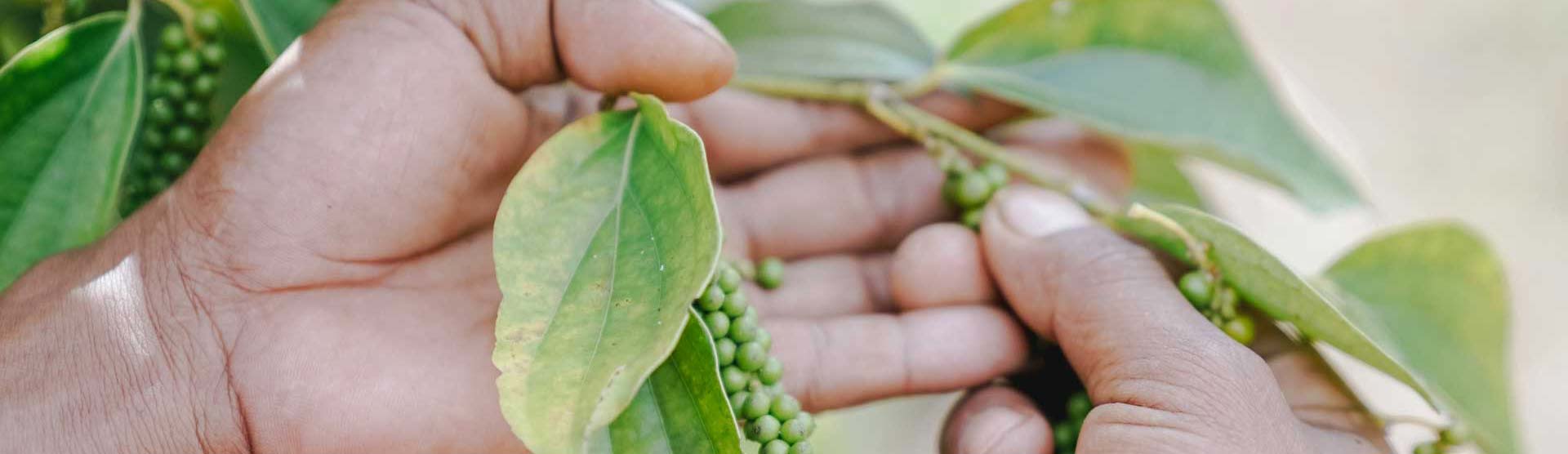
For many women, energy is more than a necessity for daily activities. It is also an essential part of the businesses they build to support their families. From processing agricultural products to preparing food for sale before dawn, access to affordable and reliable energy can determine work efficiency, production costs, and even the sustainability of their livelihoods.
However, when energy costs become a financial burden, the already limited profits of small businesses can shrink further. At the same time, the hours women spend on domestic responsibilities and production can limit their opportunities to grow their businesses, participate in social activities, and contribute to decision-making processes.
This is where renewable energy can play a broader role. Technologies such as solar photovoltaic (PV) systems, Solar Dryer Houses, and biogas offer not only more environmentally friendly energy alternatives but also opportunities for women to improve productivity and strengthen their economic independence.
Harnessing the Sun to Grow Women’s Rural Enterprises
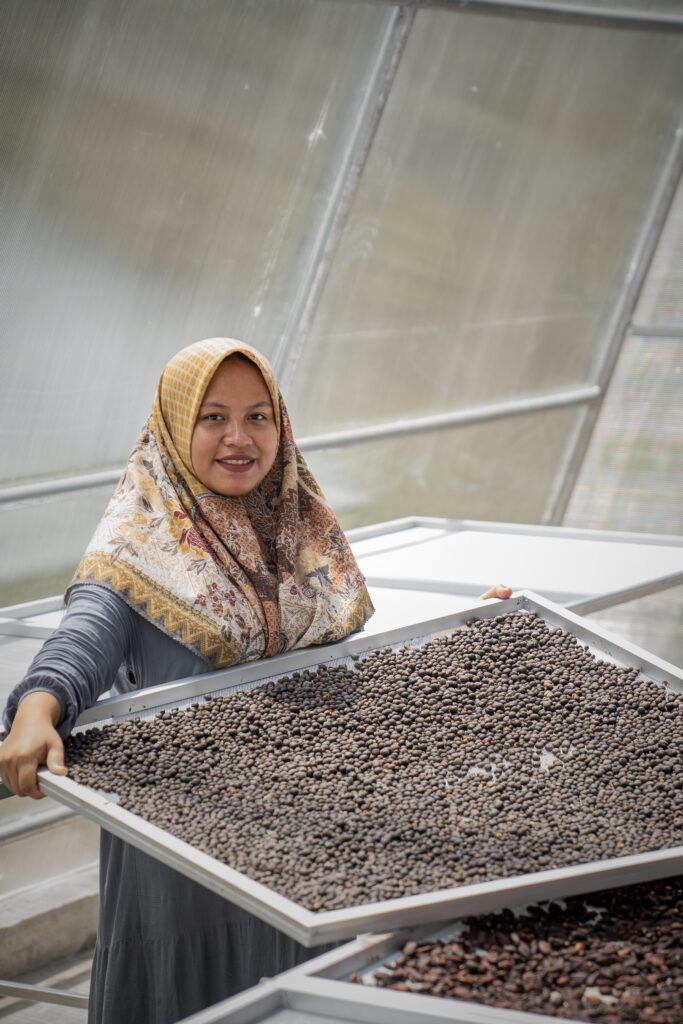
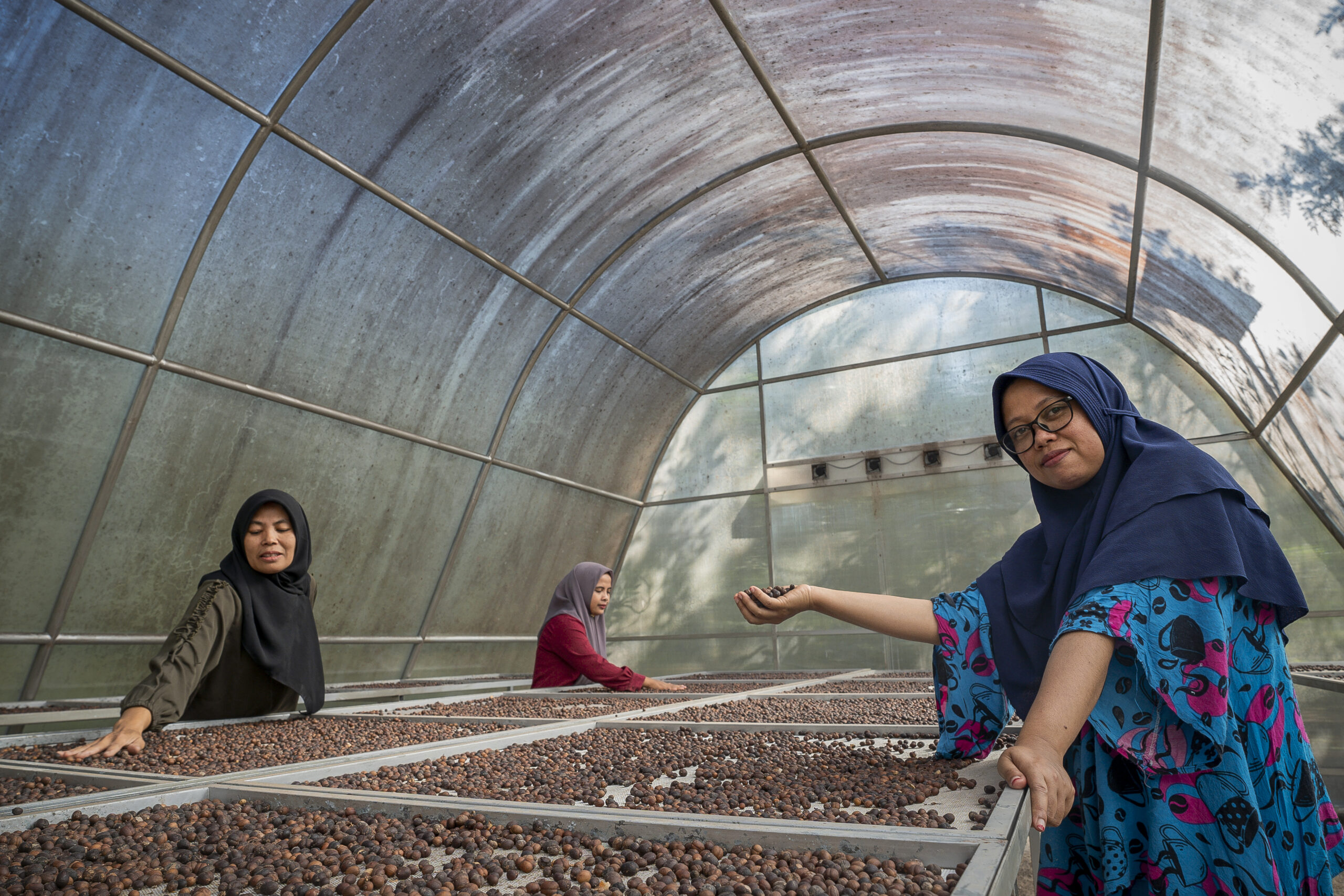
In Central Lombok, women belonging to Women Farmers’ Groups (Kelompok Wanita Tani or KWT) demonstrate how renewable energy can support productive economic activities. By using solar PV systems to power their production facilities and Solar Dryer Houses to dry coffee beans, they are making agricultural processing more practical, cleaner, and environmentally friendly.
Before using a Solar Dryer House, coffee drying depended heavily on weather conditions. When it rained, the women had to quickly collect the coffee beans laid out to dry to protect their quality. This not only added to their workload but also consumed time that could otherwise be spent on other productive activities.
Today, the drying process is more practical and efficient. Siti Aisah, a member of KWT Elong Tune, has experienced these changes firsthand. With a more efficient production process, women have greater opportunities to pursue other activities that can generate additional income.
Verapaty, from KWT Kaki Rinjani, has experienced similar benefits. Through community assistance and the introduction of appropriate technologies, she and her fellow group members have begun to understand how renewable energy can support their economic activities.
These changes go beyond production efficiency. Reduced workloads also create more opportunities for women to participate in village discussions, seminars, and business development activities. In this way, renewable energy helps expand women’s participation in decision-making spaces that influence their lives and livelihoods.
Biogas Helps Reduce the Operating Costs of Home-Based Businesses
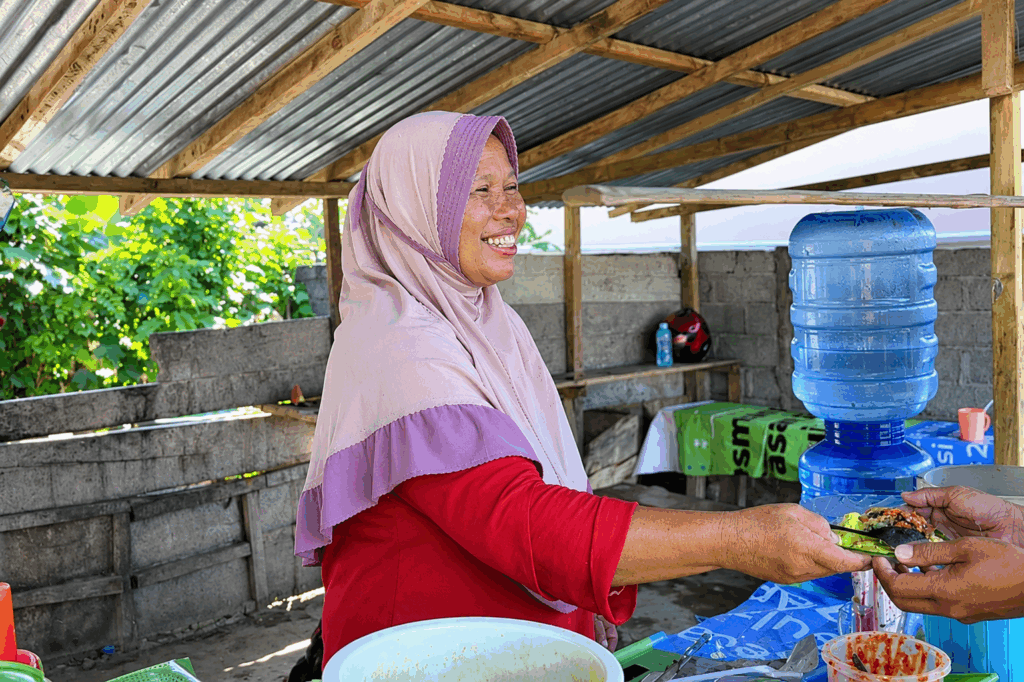
While solar energy helps women process agricultural products, biogas offers similar benefits to home-based food businesses. The story of Ibu Narmi, a yellow rice vendor in Central Sulawesi, illustrates how access to clean energy can help sustain small businesses.
Every day, Ibu Narmi begins her activities at around 3:30 a.m. to prepare yellow rice and its accompanying dishes. By 5:30 a.m., her food is ready to be sold to schoolchildren and teachers. Through this modest business, she earns an income to help meet her family’s needs.
Before adopting biogas, her cooking activities required up to 15 LPG cylinders per month, in addition to firewood. Energy expenses accounted for a significant portion of her production costs.
Since her family began using biogas in 2019, she has been able to meet the energy needs of her yellow rice business more economically. Her dependence on subsidized LPG has also decreased, allowing money previously spent on fuel to be allocated to other needs.
The benefits extend beyond cooking. Ibu Narmi’s family also uses bio-slurry, a by-product of biogas production, to grow water spinach in their home garden. This demonstrates how a single technology can generate interconnected benefits, from energy savings to supporting household agriculture.
For microenterprises, reducing operating costs is an important step toward business sustainability. When energy expenses decrease, women have greater flexibility to manage their income, maintain working capital, and meet household needs.
Keeping Small Businesses Running Through Clean Energy
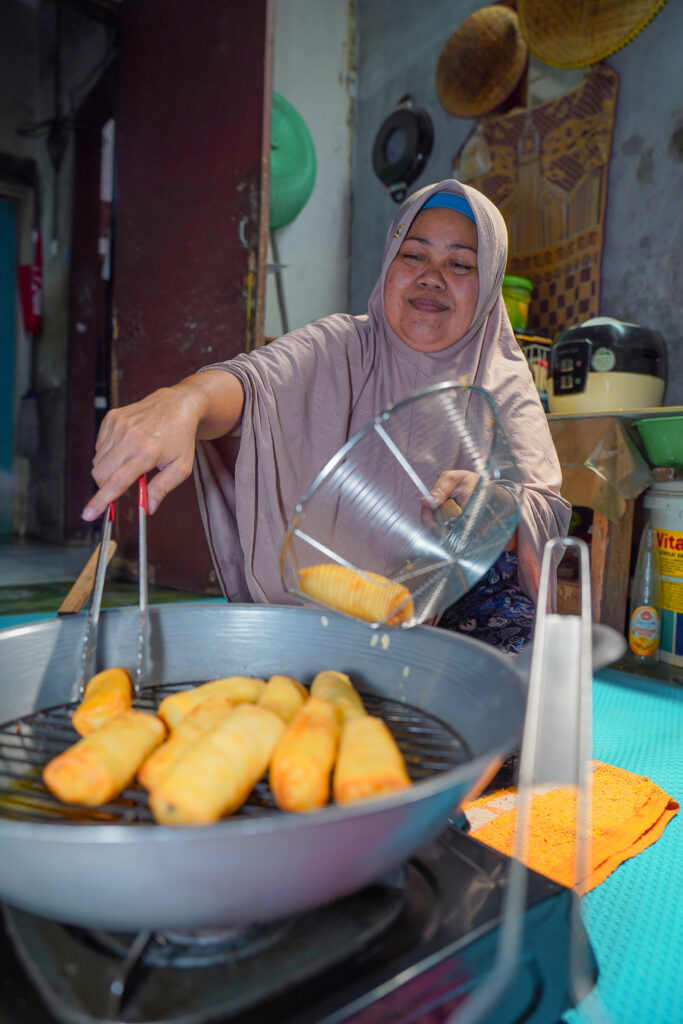
Renewable energy has also made a difference in the life of Ibu Ida Farida, a 52-year-old fried-snack vendor in Palabuhanratu, Sukabumi Regency. For Ibu Ida, selling fried snacks is more than a daily activity; it is a source of livelihood for her family that she works hard to sustain.
Previously, Ibu Ida relied on LPG to support her business, which required long hours of cooking every day. Her business consumed approximately eight LPG cylinders per month, each costing around IDR 25,000. These expenses placed an additional burden on her finances, as profits from selling fried snacks were often modest and needed to be reinvested in ingredients.
When the LPG ran out, cooking could come to a halt, directly affecting her income. This made a reliable energy supply essential to the continuity of her business.
After adopting biogas through the PRO-WOMEN program, Ibu Ida has been able to meet all her cooking needs for her fried-snack business without relying on LPG. Her regular fuel expenses have decreased, while production can continue with greater peace of mind.
Ibu Ida’s experience demonstrates that clean energy does not have to involve large-scale technologies to make a meaningful difference. For small businesses, access to energy solutions that meet their specific needs can deliver tangible benefits: lower operating costs, more stable business activities, and greater security in earning a livelihood for their families.
Clean Energy as a Pathway to Economic Independence
The experiences of women in Central Lombok, Ibu Narmi, and Ibu Ida demonstrate that the benefits of renewable energy extend beyond emissions reduction or switching energy sources. They are also reflected in everyday economic activities through time savings, lower production costs, and greater opportunities to develop businesses.
Although their circumstances and businesses differ, all three stories show how appropriate energy access can strengthen women’s roles as economic actors. Renewable energy becomes more meaningful when its application responds to communities’ actual needs and is supported by ongoing assistance to ensure that the technologies can be used sustainably.
Through community engagement and the development of renewable energy solutions, Rumah Energi works to ensure that the benefits of clean energy reach households and small businesses at the community level. When women gain access to more affordable and efficient energy, they have greater opportunities to grow their businesses, increase their income, and participate in social and economic life.
Ultimately, renewable energy is not just about keeping the lights on or cooking without LPG. It is also about keeping businesses running, adding value to agricultural products, and creating opportunities for women to shape their own economic futures. From coffee-processing facilities to small business kitchens, these changes contribute to building communities that are more independent, inclusive, and empowered.