
Women, Kitchens, and the Never-Ending Struggle A Story of Change from the PRO-WOMEN Program – Pelabuhan Ratu
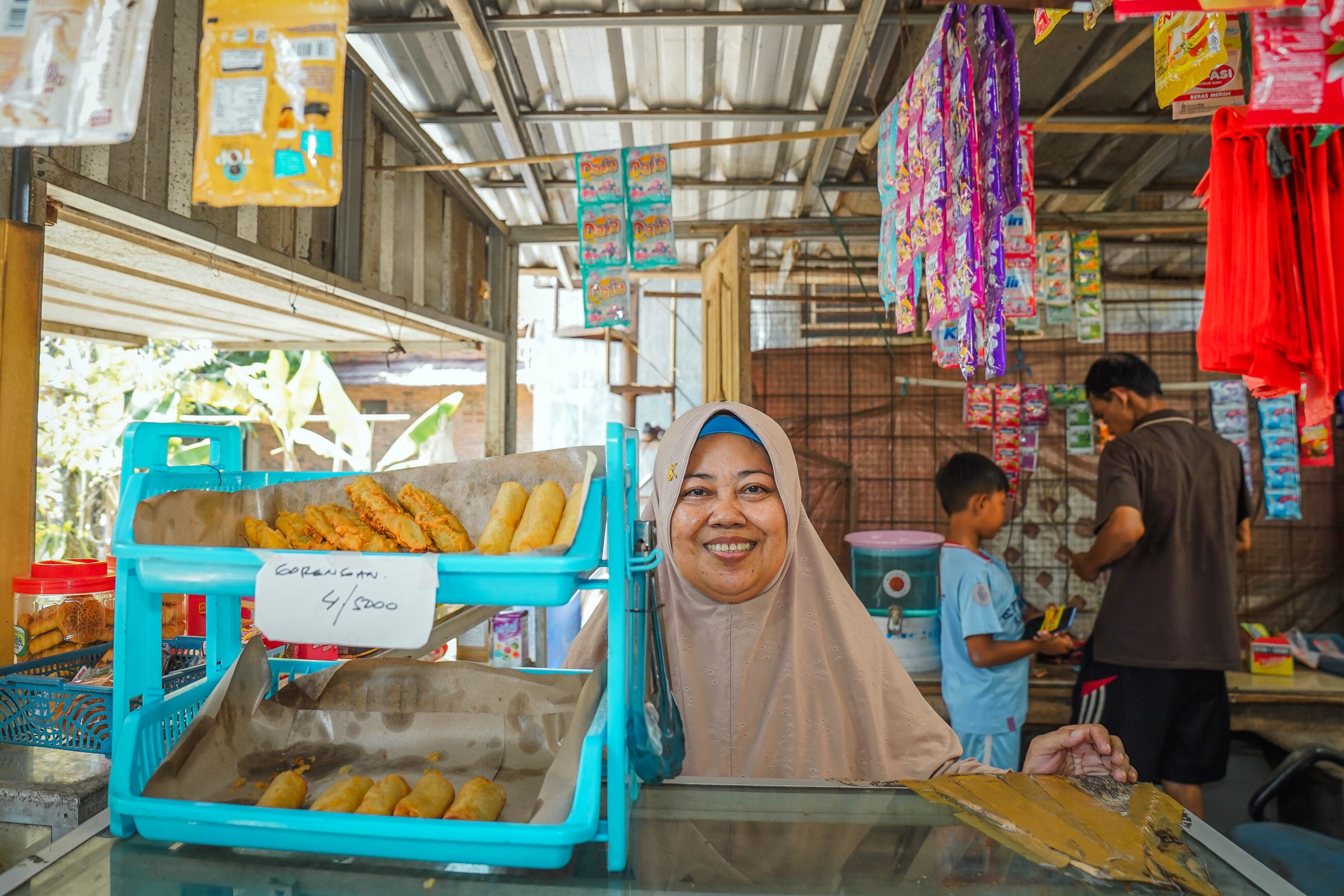
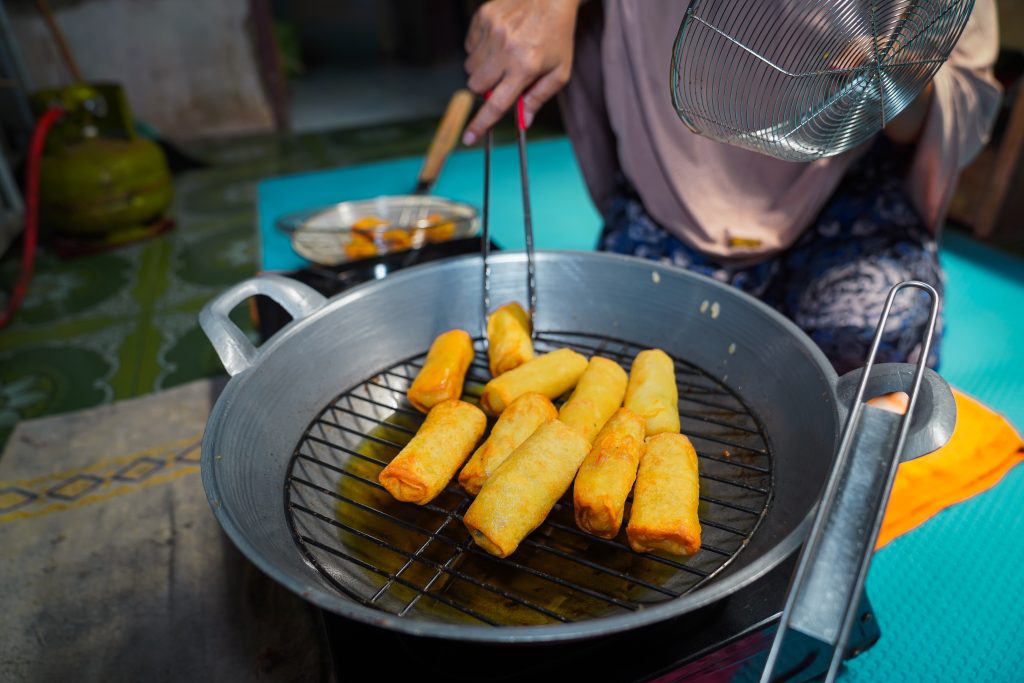
Every morning, long before most people begin their day, Ida Farida is already busy in her kitchen. The frying pan is heated, the batter is prepared, and one by one, snacks are dropped into hot oil. From this modest kitchen, the 52-year-old woman sustains her family’s livelihood.
For Ida, her fried snack business is more than just a daily routine—it is her primary source of income. With only an elementary school education, employment opportunities have always been limited. Her small business is therefore essential, not only for meeting daily needs but also for ensuring that her family’s kitchen continues to provide food and security.
Yet behind this routine, there was a challenge she faced for years: the cost of cooking energy. As a fried snack vendor, Ida relied heavily on LPG. She spent long hours cooking almost every day to support her business, consuming around eight LPG cylinders each month, at approximately IDR 25,000 per cylinder.
To some, this expense may seem modest. But for a small-scale entrepreneur like Ida, it was a significant burden. Earnings from selling fried snacks are often unpredictable. Some days bring good sales, while others generate just enough income to cover operating costs. In those situations, the cost of gas remained an unavoidable expense.
When the gas ran out, the kitchen stopped operating—and so did the income. This reality forced Ida to constantly think about how to keep her business running amid rising living costs.
Things began to change when she was introduced to biogas through the PRO-WOMEN program. At first, she never imagined that biogas could genuinely replace LPG for her daily business needs. Clean energy solutions felt distant from the lives of women like her.
Gradually, however, she gave it a try. Today, Ida’s kitchen no longer depends on LPG. All of the cooking needs for her fried snack business are supplied by biogas.
The impact has been tangible. Expenses that were once regularly spent on purchasing gas have been significantly reduced. Money that previously disappeared into energy costs can now be used for other pressing household needs.
For Ida, the change is about more than saving money. It has brought a greater sense of security and stability to her business. She no longer worries as much about LPG shortages or sudden price increases. Her kitchen can continue operating, and her business can keep moving forward. For a woman whose livelihood depends on a small enterprise, that certainty means a great deal.
Her story also highlights a larger reality: access to affordable energy can have a direct and meaningful impact on women’s lives. In many households, women are the ones most closely connected to daily energy needs. They are the ones ensuring that meals are cooked, households function, and family needs are met even when economic conditions are challenging.
Through biogas, Ida gained more than an alternative energy source. She gained support that helps her sustain her business and continue the work that has long been the foundation of her family’s livelihood.
From the outside, Ida’s transformation may not appear dramatic. There are no extraordinary headlines or sudden changes. Yet within her modest kitchen, a woman now runs her business with greater ease, peace of mind, and renewed hope for her family’s future.
Written by: Ijai Pratama