

Power Outages Again, Time for Clean Energy to Shine
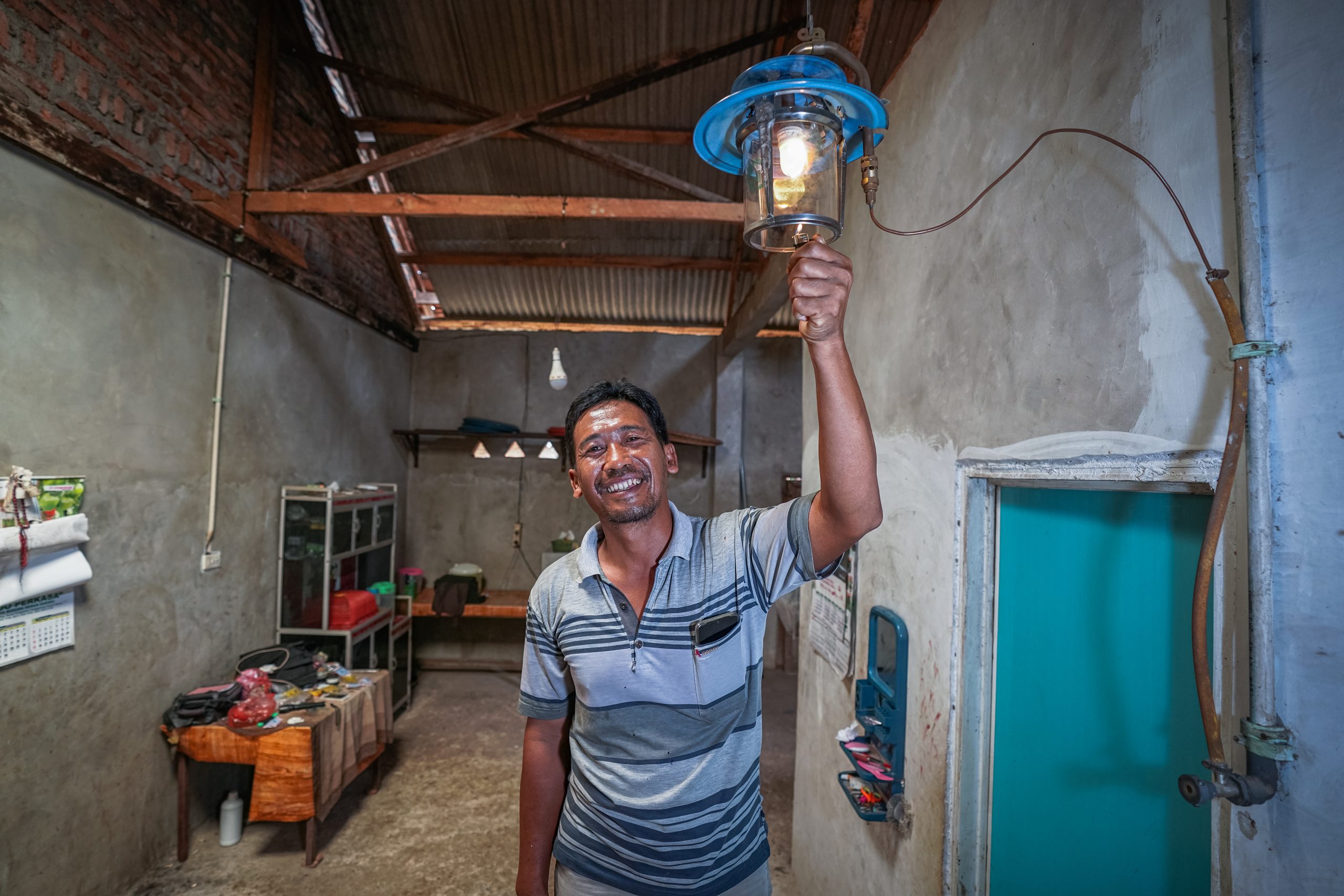
The power outages that have affected several regions across Indonesia in recent weeks have reignited discussions about the reliability of the country’s energy system. Various reports point to technical disruptions at major power plants and within the electricity network, while at the same time debates have emerged regarding the adequacy of coal supplies for the national power sector.
According to Indonesia’s Ministry of Energy and Mineral Resources (MEMR), the outages were not caused by a coal shortage but were primarily related to technical and operational issues within the electricity system. The government has also stated that primary energy supplies for PLN remain secure.
However, several observers view these incidents as an important signal that Indonesia’s energy system continues to face resilience challenges. A study by the Institute for Essential Services Reform (IESR) suggests that the rolling blackouts that occurred in June 2026 may have been influenced by a combination of power plant disruptions and limited coal supplies at several coal-fired power plants, resulting in operating reserves falling below ideal levels.
Meanwhile, Minister of Energy and Mineral Resources Bahlil Lahadalia has acknowledged challenges in securing medium-calorie coal required by PLN’s power plants. According to him, the quality of Indonesia’s coal reserves is gradually declining, prompting the government to seek long-term solutions to ensure energy security in the future.
Regardless of the debate over the primary cause of these outages, one thing is clear: Indonesia needs an energy system that is more resilient, diversified, and closer to the communities it serves. Heavy dependence on a highly centralized system can increase vulnerability when disruptions occur at a single point. The longer the energy supply chain and the greater the distance between energy sources and end users, the more challenging it becomes to ensure reliable and consistent energy access for society.
For this reason, discussions about energy resilience must go beyond power plants and transmission networks alone. Local communities have a strategic role to play as part of the solution. When communities are empowered to manage the energy resources available around them, energy security no longer depends solely on large-scale infrastructure but is strengthened by the capacity of communities themselves.
Experiences from various regions demonstrate that when communities become active participants in energy management, the benefits extend far beyond energy access. Livestock waste can be transformed into renewable energy and organic fertilizer, sunlight can be harnessed to support economic productivity, and local institutions can become drivers of sustainable clean energy investment. In other words, energy resilience grows alongside community self-reliance.
The recent power outages serve as a reminder that the energy transition is not simply about replacing fossil fuels with renewable energy. It is also about building a system that is more resilient, inclusive, and rooted in community strength. Ultimately, national energy security is determined not only by what happens at power plants, but also by how empowered local communities are to shape and manage their own energy future.