
Rural Electrification: When Energy Becomes a Driver of Community Economies
JAKARTA — Electrification should not be understood simply as providing access to electricity. For rural communities, energy is also an essential part of livelihoods—from agriculture and livestock farming to post-harvest processing and the development of local enterprises.
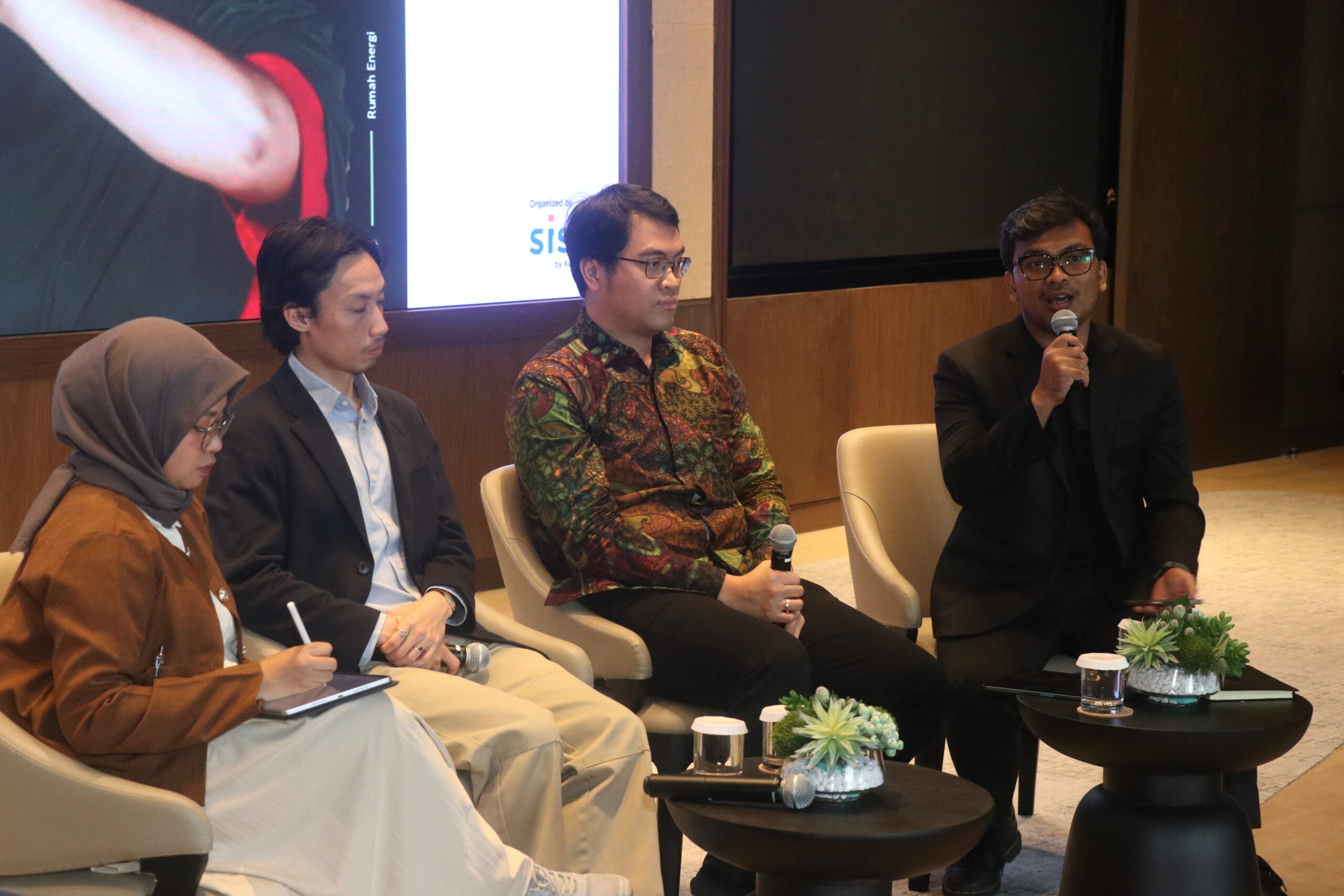
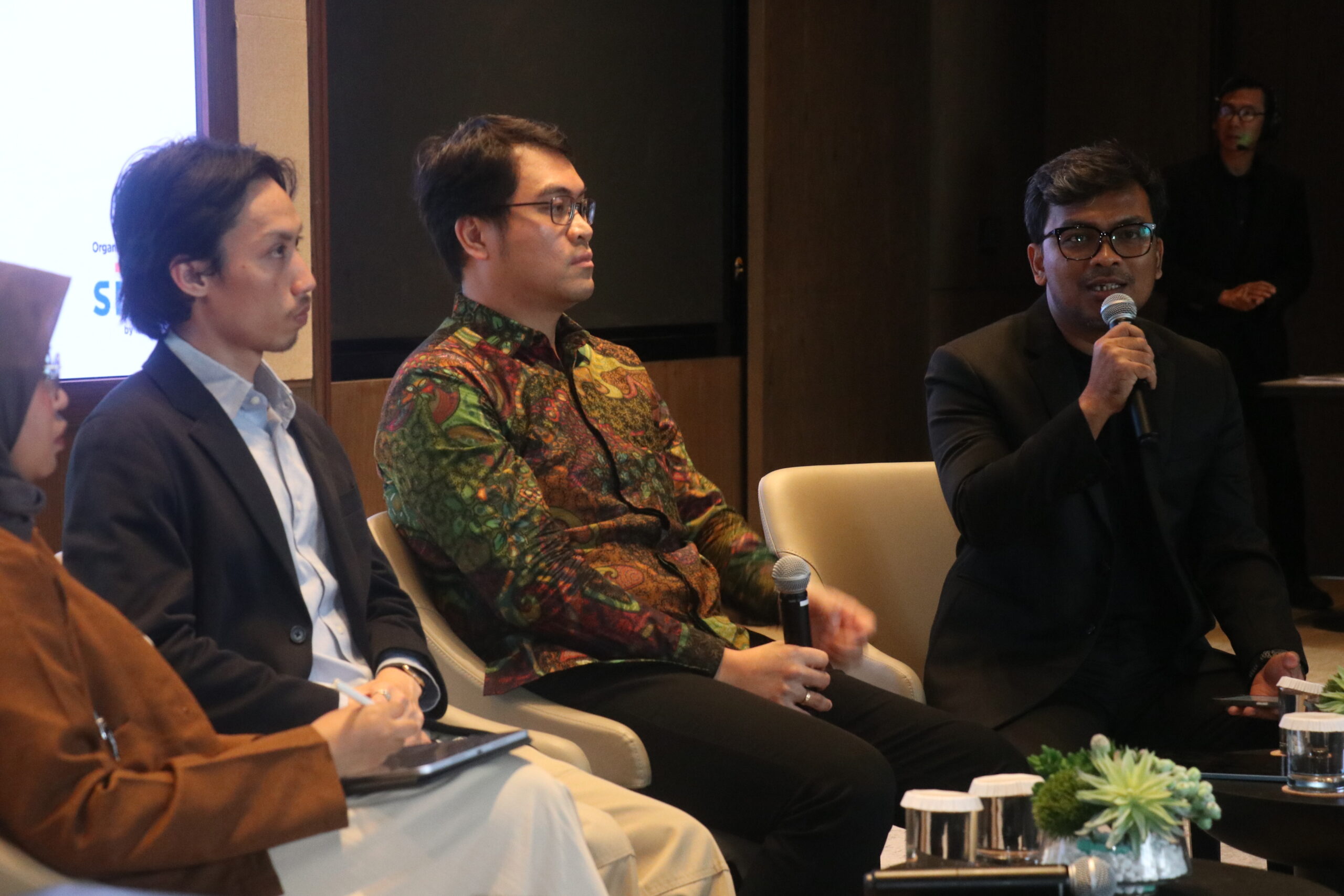
This perspective was shared by Sumanda Tondang, Executive Director of Rumah Energi, during the session “Equitable Electrification: Bridging the Rural–Urban Divide in Indonesia” at Katadata SAFE 2026. The session explored how the electrification agenda can address the different energy needs and challenges faced by urban and rural communities.
According to Sumanda, energy needs in rural areas have different characteristics from those in urban areas. While urban energy demand tends to be more concentrated and supported by more developed infrastructure networks, energy needs in rural areas are more dispersed and closely connected to people’s livelihoods.
“Energy is not only needed for basic needs. In rural areas, energy is also essential for agriculture, livestock farming, post-harvest processing, and community-based businesses,”
reflects the perspective brought by Rumah Energi to the session. Its presentation positioned energy as an enabler of productivity and local economic development.
There Is No One-Size-Fits-All Solution for Rural Communities
Given the diverse nature of rural energy needs, Sumanda emphasized the importance of context-specific energy approaches. Not every community requires the same technology or energy model.
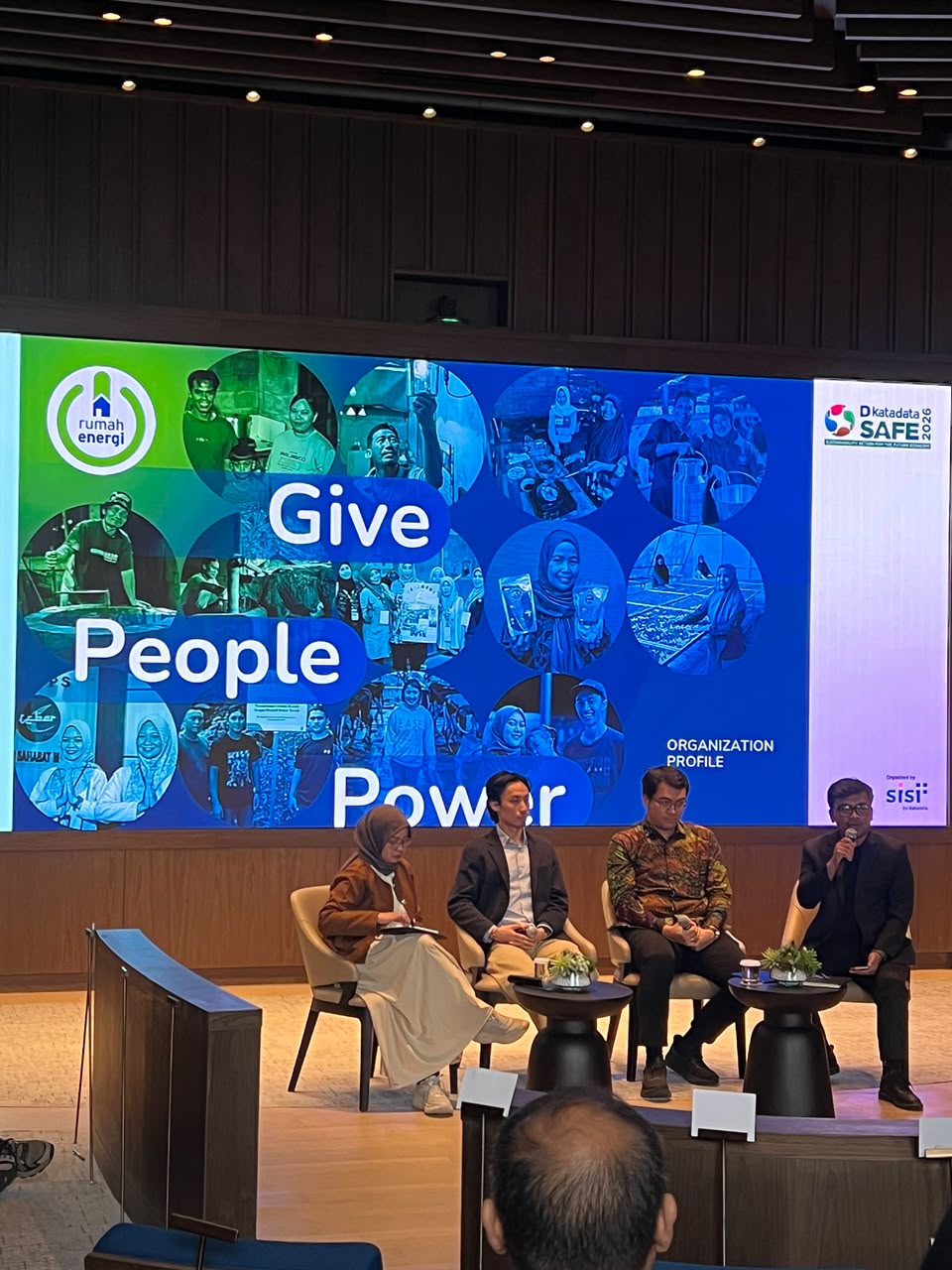
Rumah Energi develops a community-based energy approach that makes use of local potential, involves communities in managing energy technologies, and directs energy utilization toward productive activities.
Rumah Energi’s experience through the Biogas Rumah and Solar Dryer House programs illustrates this approach. Biogas can provide energy for cooking while supporting livestock waste management and more sustainable agricultural practices. Meanwhile, Solar Dryer House harnesses solar energy for post-harvest processing, helping communities improve the value and economic potential of their products.
“The best technology is not always the most advanced, but the one that best fits the community’s context,” is one of Rumah Energi’s key messages in approaching rural energy development.
From Energy Projects to Community-Led Action
According to Rumah Energi, the sustainability of energy solutions cannot depend on technology alone. An enabling ecosystem is needed to allow communities to continuously manage and develop these solutions.
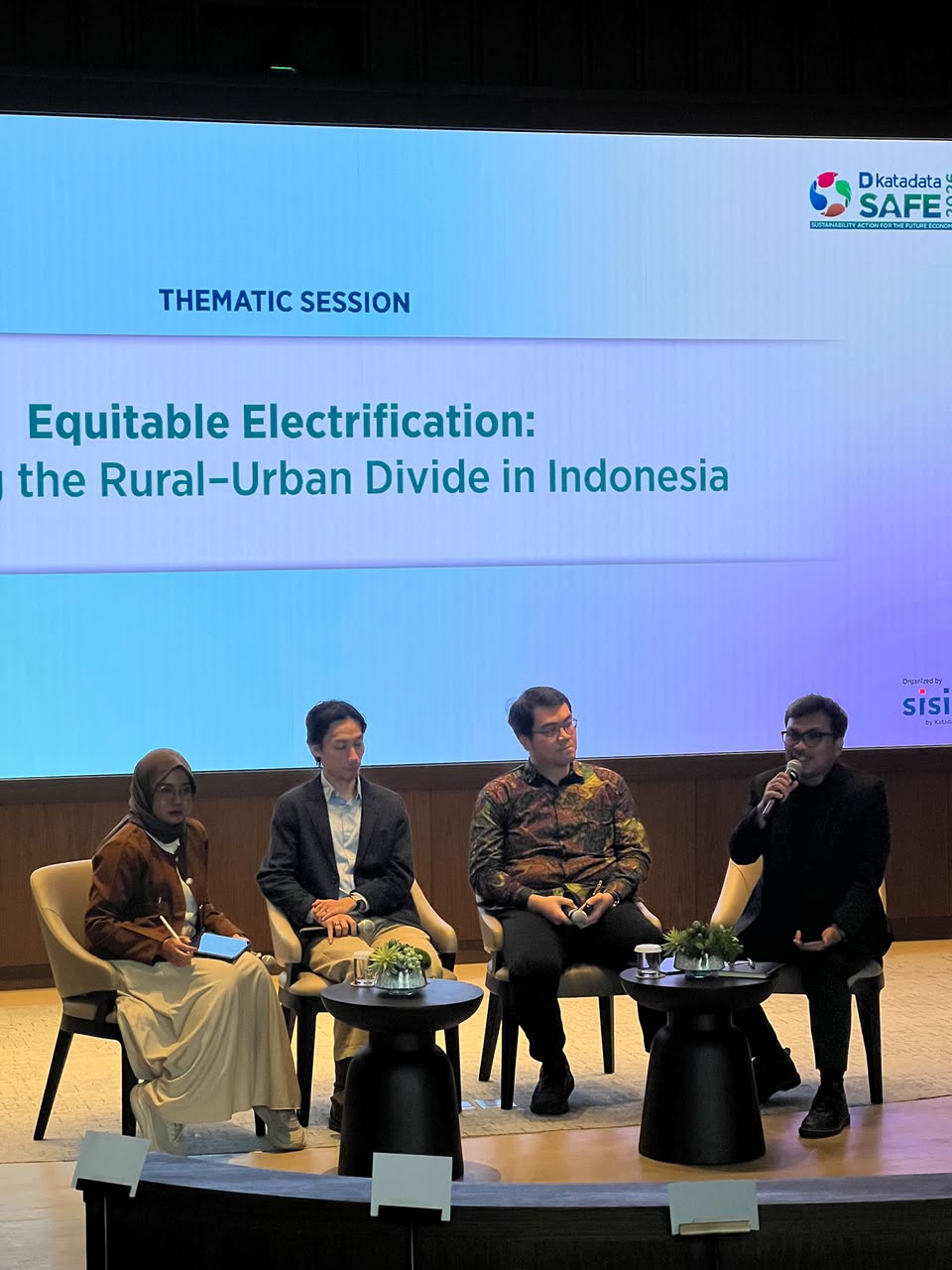
Such an ecosystem includes supportive policies, financing for installation as well as operation and maintenance, capacity building, and collaboration among governments, communities, cooperatives, the private sector, financial institutions, civil society organizations, and other stakeholders.
In this context, cooperatives can also play an important role as collective platforms for communities. Cooperatives can help organize energy needs, expand access to financing, and create opportunities for communities to collectively benefit from the economic value generated by energy solutions.
For Rumah Energi, this approach takes energy beyond its role as a means of consumption. Renewable energy can become a driver of change when communities have the capacity to own, manage, and collectively utilize energy solutions to strengthen their livelihoods.
Therefore, the rural electrification agenda needs to look beyond simply measuring how much energy infrastructure has been built. Equally important is whether the energy provided can respond to local needs, support productive activities, and strengthen community capacity.
Equitable electrification is not about providing the same solution to every region. It is about ensuring that every community has access to energy solutions that respond to its needs and build on its potential.
Written by: Fauzan Ramadhan